


You’ve just had a baby, and suddenly your days revolve around feeding schedules, diaper changes, and trying to remember the last time you slept for more than three hours. Somewhere in all that chaos, you’re supposed to remember to feed yourself, too!
But what you eat after giving birth matters. Your body has been through a lot, and good nutrition can help support recovery, maintain your energy, and provide the nutrients you need, especially if you’re breastfeeding.
The good news? You don’t need a complicated postpartum diet or expensive superfoods. Some of the best foods for new moms are probably already in your kitchen.
Here are six nutritious foods worth keeping on hand after your baby arrives.
1. Eggs: An Easy Protein Boost
When you’re exhausted and short on time, eggs are hard to beat.
They’re packed with protein, which your body needs to repair tissues and recover after childbirth. Eggs are also an excellent source of choline, a nutrient that’s particularly important during breastfeeding because it supports your baby’s brain and nervous system development.
And let’s face it, anything you can prepare in five minutes is a winner when there’s a newborn in the house.
Easy idea: Keep hard-boiled eggs in the refrigerator for a quick snack, scramble a couple for breakfast, or make egg muffins ahead of time with chopped vegetables and cheese.
2. Oatmeal: Fuel for Busy Mornings
There’s a reason oatmeal has been a breakfast staple for generations. It’s affordable, filling, and loaded with nutrients that new moms can use.
Oats provide complex carbohydrates for energy and fibre to help keep your digestive system moving. That’s especially welcome after childbirth, when constipation can be a common and uncomfortable problem.
Oatmeal also contains iron, an important mineral for healthy red blood cells. Iron is particularly worth paying attention to if you experienced significant blood loss during delivery.
You may have heard that oatmeal increases breast milk production. While it’s a popular recommendation among nursing moms, there isn’t strong scientific evidence that eating oats directly boosts milk supply. It’s still a nutritious choice!
Easy idea: Make overnight oats with milk, Greek yogurt, berries, and a spoonful of peanut butter. Breakfast will be ready whenever you are, even if that’s at 11 a.m.
3. Salmon: Healthy Fats for Mom and Baby
Salmon is one of the best foods to include in your postpartum meal rotation, especially if you’re breastfeeding.
It’s rich in protein and omega-3 fatty acids, including DHA, which contributes to your baby’s brain and eye development. Salmon also provides vitamin D and vitamin B12.
Another advantage? Salmon is generally a lower-mercury seafood choice, making it a good option for breastfeeding moms.
You don’t have to eat it every day. The FDA recommends that breastfeeding women eat two to three servings a week of fish from its lower-mercury “Best Choices” category.
Easy idea: Bake salmon with olive oil and lemon, then serve it with rice and roasted vegetables. Make an extra portion for lunch the next day. Canned salmon is another convenient option.
Not a fish fan? Talk with your healthcare provider about other ways to meet your omega-3 needs.
4. Lentils and Beans: Small Foods With Big Benefits
Lentils, chickpeas, black beans, and kidney beans might not sound particularly exciting, but they’re nutritional powerhouses for new moms.
They’re excellent sources of plant-based protein, fibre, and iron. Protein helps your body repair and maintain tissues, while iron supports healthy red blood cells.
And that fibre? It can be especially helpful if your digestive system hasn’t quite returned to normal after giving birth.
Beans and lentils are also budget-friendly, easy to store, and versatile enough to work in everything from soups to salads.
Easy idea: Toss canned chickpeas into a salad, add black beans to a quesadilla, or make a big pot of lentil soup that can be frozen in individual portions.
Pair plant-based iron sources with vitamin C-rich foods, such as tomatoes or bell peppers, to help your body absorb more iron.
5. Greek Yogurt: A Quick, No-Cooking Snack
Some days, preparing an actual meal feels impossible. That’s when Greek yogurt becomes your best friend.
It’s a convenient source of protein and calcium, both of which are important for your health. Calcium helps maintain strong bones and teeth, while protein supports tissue repair and everyday bodily functions.
Greek yogurt is especially useful because you can eat it straight from the container, turn it into a smoothie, or use it as the base for a more substantial snack.
Easy idea: Top plain Greek yogurt with berries, granola, and chopped nuts. Or blend it with a banana and peanut butter for a quick smoothie you can sip while holding the baby.
If you don’t eat dairy, choose a fortified alternative that provides calcium and other important nutrients.
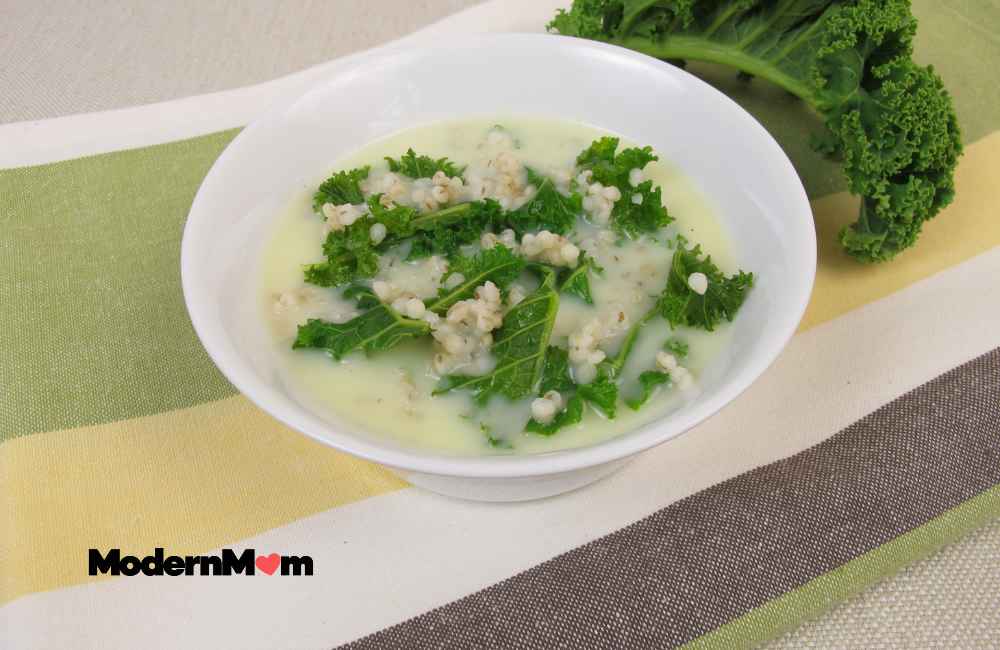
6. Leafy Greens: Nutrients in Every Bite
Spinach, kale, Swiss chard, and other leafy greens deliver an impressive amount of nutrition without requiring much preparation.
Depending on the variety, they provide folate, vitamins A and C, iron, and fibre. These nutrients support normal immune function, healthy blood cells, and overall wellness.
Leafy greens are particularly helpful because you can add them to meals you’re already making instead of preparing an entirely separate dish.
And no, you don’t have to survive on salads!
Easy idea: Throw a handful of spinach into scrambled eggs, add kale to soup, or blend baby spinach into a fruit smoothie. Frozen spinach works just as well for many recipes and is often more convenient.
Don’t Forget to Drink Water!
With so much attention on food, it’s easy to overlook hydration.
Drinking enough water is important for postpartum recovery, digestion, and general health. If you’re breastfeeding, you’ll often find yourself feeling thirstier than usual because your body needs additional fluids to produce milk.
Keep a reusable water bottle nearby, especially wherever you usually feed your baby.
And remember, there’s no need to force yourself to drink excessive amounts. Drinking regularly and responding to thirst is a sensible approach.
Give Yourself Some Grace
Here’s something every new mom deserves to hear: You don’t have to eat perfectly.
There will be days when you manage a nutritious homemade dinner, and days when you’re eating toast over the kitchen sink while the baby cries. Both are part of life with a newborn.
Try to keep easy, nourishing foods available, accept help when someone offers to cook, and don’t feel pressured to start restricting calories to lose the baby weight.
If you’re breastfeeding, your body needs additional energy and certain nutrients. Your healthcare provider can also advise you about continuing vitamins or taking iron supplements if needed.
The bottom line? Your baby needs you to be cared for, too. Eating well after childbirth isn’t about getting your pre-baby body back. It’s about giving your body the nourishment it needs while you adjust to your new life as a mom.


