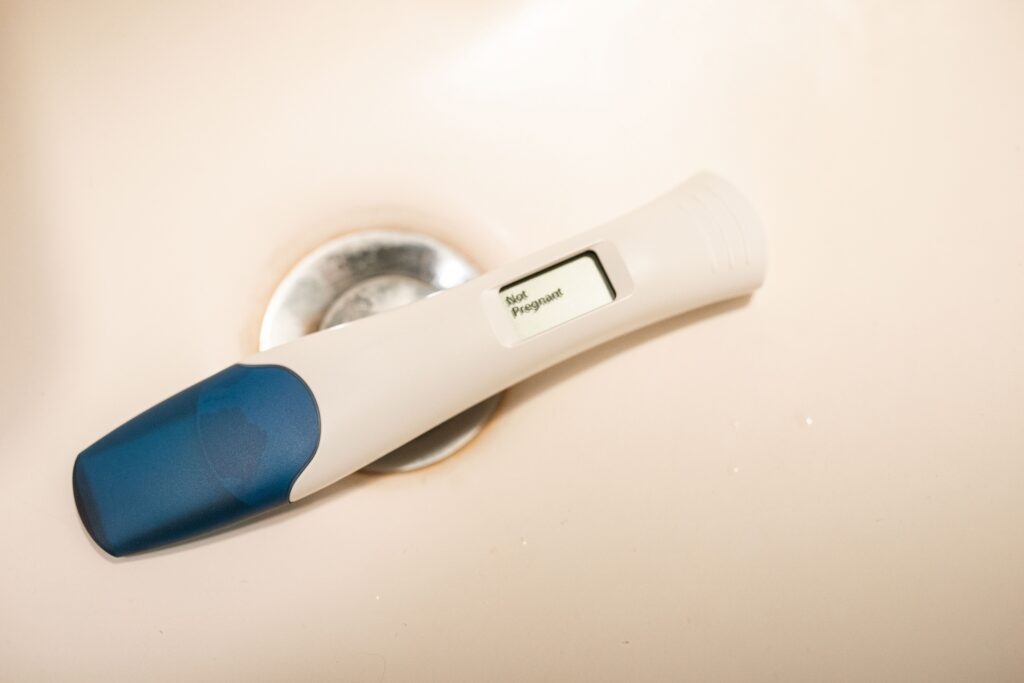
When you’re trying to get pregnant, every month can feel like an emotional roller coaster. You track your cycle, look for early pregnancy symptoms, and hope this will finally be the month you see a positive test. When your period arrives instead, it’s natural to wonder: Why is it taking so long to get pregnant?
The good news is that not getting pregnant right away doesn’t necessarily mean something is wrong. Even healthy couples with no known fertility problems may need several months to conceive.
Understanding how ovulation works, what affects fertility, and when to seek medical advice can help you make informed decisions while trying to grow your family.
How Long Does It Normally Take to Get Pregnant?
One of the biggest misconceptions about conception is that pregnancy should happen almost immediately after you stop using birth control.
In reality, pregnancy isn’t guaranteed during any single menstrual cycle, even when intercourse is timed correctly.
According to the American College of Obstetricians and Gynecologists (ACOG), healthy couples in their 20s and early 30s have approximately a 25% chance of conceiving during any given menstrual cycle.
Age also plays an important role. Fertility gradually declines as women get older, particularly after age 35. By age 40, the likelihood of pregnancy during a single cycle is approximately 10%.
If you’ve only been trying for a few months, your experience may be completely normal. However, understanding your fertile window can help improve your chances.
Understanding Ovulation and Your Fertile Window
Ovulation occurs when an ovary releases an egg that can potentially be fertilized by sperm.
An egg typically survives for about 12 to 24 hours after ovulation, while sperm can survive in the reproductive tract for up to five days under favourable conditions.
This creates a six-day fertile window, consisting of the five days before ovulation and the day ovulation occurs.
Many women assume they ovulate on day 14 of their menstrual cycle. While this may happen in a typical 28-day cycle, ovulation timing varies significantly from person to person and even from month to month.
A study led by researcher Allen Wilcox at the National Institute of Environmental Health Sciences helped demonstrate how much the fertile window can vary between women.
That means relying exclusively on a calendar or period-tracking app may cause you to miss your most fertile days.
How to Tell When You’re Ovulating
Several methods can help you identify your fertile window:
Ovulation predictor kits: These home tests detect a rise in luteinizing hormone (LH), which typically occurs shortly before ovulation.
Cervical mucus changes: Clear, slippery, stretchy mucus resembling raw egg whites often indicates that ovulation is approaching.
Basal body temperature tracking: A small increase in resting body temperature can confirm that ovulation has likely occurred, although it doesn’t predict it in advance.
Cycle tracking: Recording your menstrual cycle can help identify patterns, particularly if your periods are regular.
Combining these methods may provide a more accurate picture of your fertile days than using a calendar alone.
Could Fertility Problems Be the Reason?
It’s natural to worry about infertility when pregnancy doesn’t happen as quickly as expected.
However, fertility challenges can affect either partner, and sometimes both.
Some common causes of difficulty getting pregnant include:
Ovulation disorders: Conditions such as polycystic ovary syndrome (PCOS) can interfere with regular egg release.
Endometriosis: This condition may affect the ovaries, fallopian tubes, and other reproductive structures.
Blocked fallopian tubes: Previous infections, pelvic inflammatory disease, or surgery can sometimes damage or block the tubes.
Uterine conditions: Certain fibroids or structural abnormalities may interfere with conception or implantation.
Male fertility factors: Low sperm count, reduced sperm movement, or other sperm abnormalities can make fertilization more difficult.
Sometimes fertility testing doesn’t identify a specific problem. This is known as unexplained infertility.
Importantly, having difficulty conceiving doesn’t automatically mean pregnancy is impossible. Many fertility conditions can be treated or managed with medical support.
How Lifestyle Habits Affect Fertility
Your everyday habits can influence reproductive health, although lifestyle changes cannot correct every fertility problem.
Smoking, Alcohol, and Recreational Drugs
Smoking can negatively affect egg quality, sperm health, and overall reproductive function.
Heavy alcohol consumption and recreational drug use may also interfere with fertility. Avoiding smoking and recreational drugs and discussing alcohol use with your healthcare provider are sensible steps when planning a pregnancy.
Weight and Nutrition
Being significantly underweight or overweight can sometimes affect hormone levels and interfere with ovulation.
However, body weight is only one part of reproductive health, and people of all body sizes can experience fertility challenges.
Rather than following restrictive diets or attempting rapid weight loss, focus on balanced meals, regular physical activity, and adequate nutrition.
Exercise
Moderate exercise supports overall health and can be beneficial when preparing for pregnancy.
Extremely intense exercise, particularly when combined with inadequate calorie intake, can sometimes disrupt menstrual cycles. If your periods become irregular or stop, speak with your healthcare provider.
Stress and Emotional Well-Being
Trying to conceive can be stressful, especially when you’re repeatedly disappointed by negative pregnancy tests.
While severe physical or psychological stress may sometimes disrupt ovulation, everyday stress hasn’t been established as a direct cause of infertility.
You don’t need to achieve a perfectly relaxed state to get pregnant.
Still, finding ways to manage stress through exercise, sleep, counselling, or supportive relationships can make the experience easier to navigate.
Can Health Conditions Make It Harder to Get Pregnant?
Certain medical conditions can affect your ability to conceive.
Thyroid disorders, diabetes, PCOS, endometriosis, and some untreated sexually transmitted infections may interfere with reproductive health.
For example, untreated chlamydia or gonorrhea can sometimes lead to pelvic inflammatory disease, which may damage the fallopian tubes.
Some medications and medical treatments can also affect fertility.
If you have a chronic health condition or take prescription medication, consider scheduling a preconception appointment. Your healthcare provider can review your health history, medications, and any recommended testing before pregnancy.
Does Stopping Birth Control Delay Pregnancy?
If you’ve recently stopped using contraception, you might be wondering whether your body needs time to adjust.
The answer depends on the method.
Fertility typically returns quickly after stopping birth control pills, removing an IUD, or discontinuing other short-acting hormonal contraceptives. Your menstrual cycle may take some time to become regular again, but pregnancy can occur before your first natural period.
The contraceptive injection, such as Depo-Provera, is an exception. Ovulation may take several months to resume after the last injection.
If your periods haven’t returned or you’re concerned about irregular cycles, talk to your healthcare provider.
How Often Should You Have Sex When Trying to Conceive?
Timing intercourse can make a difference, but you don’t need to turn intimacy into a rigid daily schedule.
According to the American Society for Reproductive Medicine, having sex every one to two days during the fertile window offers the highest chances of conception.
Having sex two to three times per week throughout the cycle can also be an effective approach, especially if you’re not tracking ovulation.
There’s no need to have sex multiple times a day or follow specific positions. Research hasn’t shown that particular sexual positions or lying down after intercourse improve pregnancy rates.
Choose an approach that works for you and your partner without creating unnecessary pressure.
When Should You See a Fertility Specialist?
Although some couples simply need more time, others may benefit from fertility testing.
General recommendations depend on your age and medical history:
Under age 35: Seek an evaluation after 12 months of regular, unprotected intercourse without pregnancy.
Ages 35 to 40: Speak with a healthcare provider after six months of trying.
Over age 40: Consider discussing fertility testing before trying to conceive or as soon as you begin.
You should also consider seeking medical advice sooner if you have irregular or absent periods, known endometriosis, previous pelvic infections, a history of reproductive surgery, or concerns about sperm health.
A fertility evaluation may include blood tests, ovulation assessments, imaging of the reproductive organs, and semen analysis.
Testing both partners is important because fertility challenges aren’t limited to the person trying to become pregnant.
What Can You Do to Improve Your Chances of Getting Pregnant?
If you’re wondering what to do next, start with a few practical steps.
1. Learn your cycle. Track your periods and consider using ovulation predictor kits to identify when you’re most fertile.
2. Time intercourse around ovulation. Aim for sex every one to two days during your fertile window, or maintain regular intercourse throughout the month.
3. Start taking a prenatal vitamin. Choose one containing at least 400 micrograms of folic acid, unless your healthcare provider recommends a different dose. Folic acid helps prevent certain serious birth defects that develop early in pregnancy.
4. Review your health habits. Avoid smoking and recreational drugs, eat a balanced diet, get enough sleep, and maintain an activity level that supports your overall health.
5. Schedule a preconception checkup. Your healthcare provider can review medications, immunizations, and any existing medical conditions.
6. Know when to ask for help. If you’ve reached the recommended timeframe for fertility testing, don’t feel obligated to keep waiting.
The Bottom Line: Getting Pregnant Can Take Time
When you’re ready to have a baby, waiting can be one of the hardest parts of the experience.
It’s easy to compare your journey with friends who became pregnant immediately or to wonder whether every unsuccessful month means something is wrong.
But conception involves several biological steps, and even when everything is functioning normally, pregnancy may not happen right away.
Understanding your fertile window, supporting your reproductive health, and recognizing when to seek professional guidance can help you navigate the process with greater confidence.
Most importantly, difficulty conceiving isn’t something you should have to figure out alone. If you’re concerned about how long it’s taking to get pregnant, a healthcare provider can help you understand your options and determine whether further testing is appropriate.
Originally published: December 10, 2010
Last updated: October 12, 2026
Updated by: ModernMom Editorial Team
This article has been updated to reflect current reproductive health guidance, with information drawn from established medical organizations, including the American College of Obstetricians and Gynecologists and the American Society for Reproductive Medicine. It is intended for informational purposes and is not a substitute for professional medical advice.