
Why You May Feel Pregnant and Always Thirsty
Feeling pregnant and always thirsty can be frustrating, especially when a full water bottle never seems to solve it. The quick answer: extra thirst is often a normal part of pregnancy because your body is making more blood, building amniotic fluid, and supporting your growing baby.
But thirst that feels extreme or never eases deserves attention.
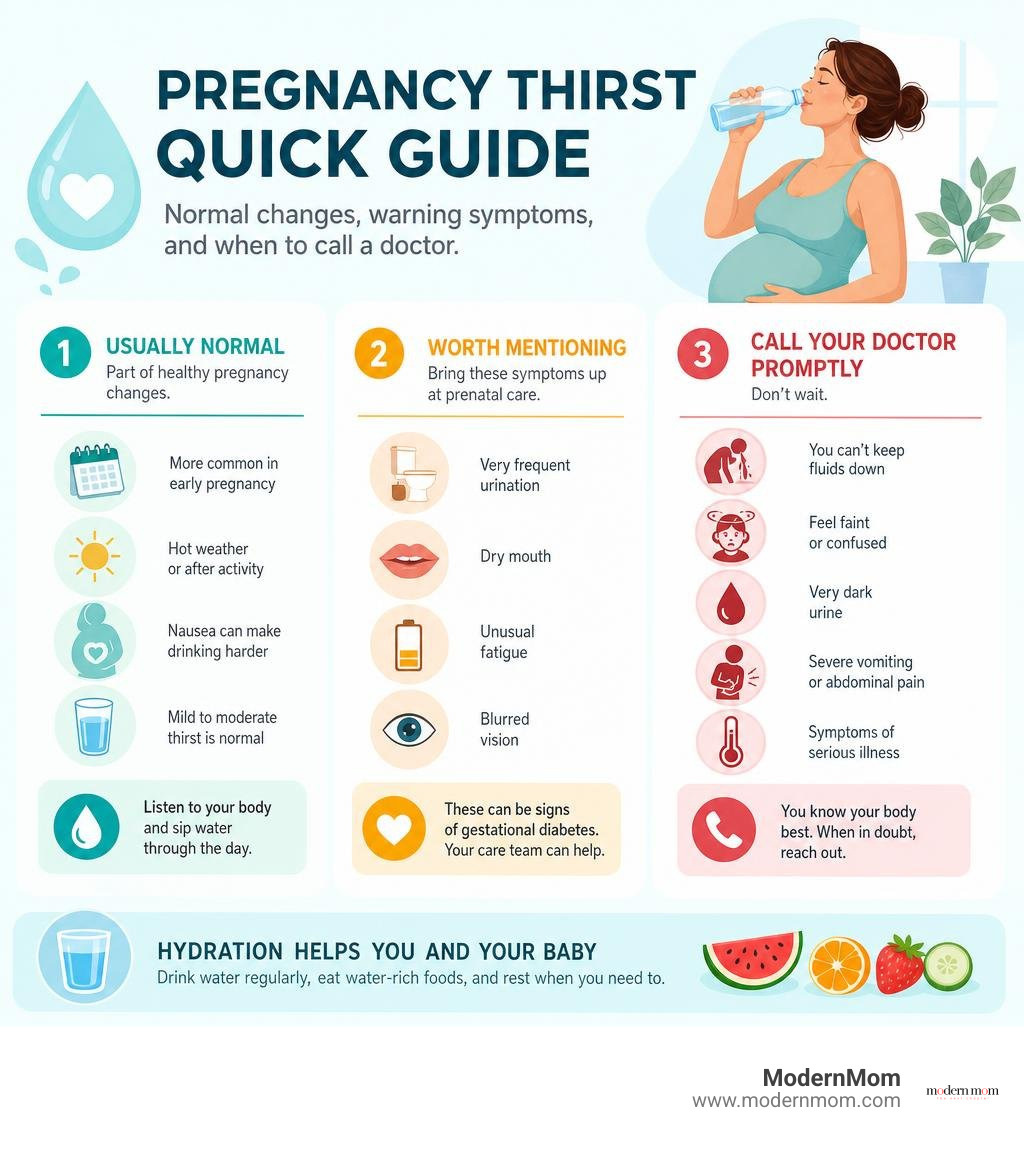
- Usually normal: Mild to moderate thirst, especially in early pregnancy, hot weather, after activity, or when nausea makes drinking harder.
- Worth mentioning at prenatal care: Thirst along with very frequent urination, dry mouth, unusual fatigue, or blurred vision. These can be signs of gestational diabetes, which affects nearly 1 in 10 pregnancies.
- Call your maternity care team promptly: You can’t keep fluids down, feel faint or confused, have very dark urine, severe vomiting, abdominal pain, or symptoms of serious illness.
Pregnancy changes how your body handles water from the start. Total body water rises by roughly 5 to 8 liters across pregnancy, while blood plasma volume expands substantially. Hormones also reset the point at which your brain notices thirst, so you may feel thirsty sooner than you did before pregnancy.
In other words, this symptom is common, but it isn’t one to ignore. Understanding the difference between normal pregnancy thirst, dehydration, and a possible medical concern can help you feel more comfortable and know when to check in.
Why You Feel Pregnant and Always Thirsty: Normal Physiology
From the moment conception happens, your circulatory system transforms to support growing tissue. Total maternal blood volume increases by 30% to 50% across gestation—an addition of nearly 1.5 to 1.8 liters of fluid. To accomplish this, your body pulls every drop of water it can get into your bloodstream.
In addition to expanding blood plasma, your body manufactures nearly 800 grams of amniotic fluid to cushion your developing baby. This fluid continuously exchanges and recycles throughout the day, requiring a steady supply of fresh water.
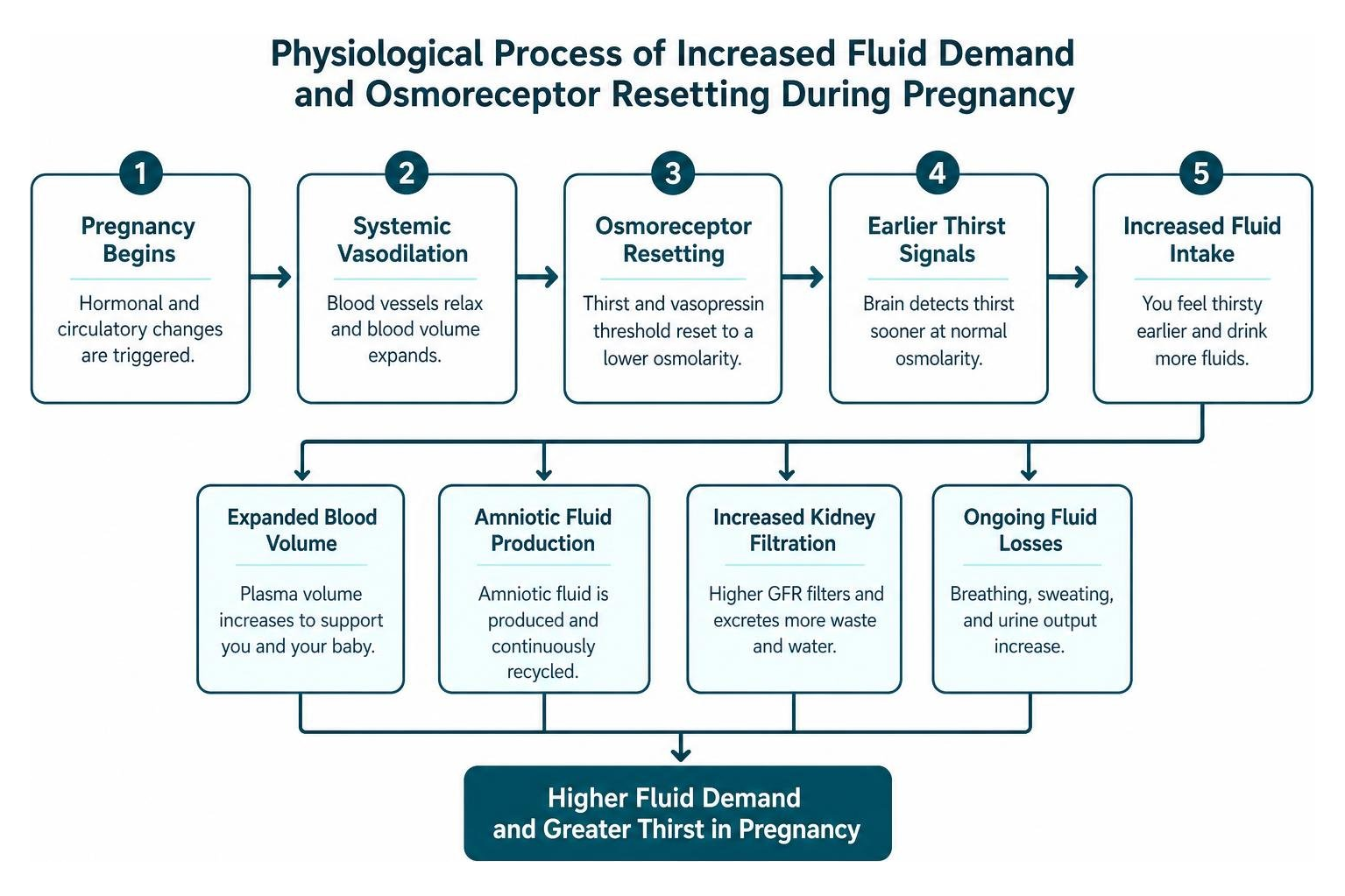
Hormonal shifts also actively change how your brain registers hydration. Research on maternal body water expansion shows that the neurohumoral threshold for thirst and vasopressin release resets to a lower plasma osmolarity early in pregnancy. This means your brain tells you that you’re thirsty even when your blood solute levels would be considered perfectly normal if you weren’t pregnant.
Your kidneys step up their workload as well. Glomerular filtration rate increases by up to 50% to 80% during pregnancy, filtering blood and expelling wastes much faster. Combine this accelerated filtration with increased breathing rates and natural skin evaporation, and it’s easy to see why you feel like a sponge constantly seeking water.
Trimester Differences: Why Being Pregnant and Always Thirsty Changes Over Time
Hydration demands evolve as your pregnancy advances. During the first trimester, systemic vasodilation triggers early thirst signals right alongside other surprising changes like nausea or a metallic taste in the mouth. If you’re curious about early hormonal shifts, check out our guide on whether an Is Metallic Taste Early Sign Of Pregnancy.
By the second trimester, fluid demands intensify to match rapid fetal growth and plasma expansion. Blood volume spikes dramatically between weeks 14 and 28, which often leaves expecting moms reaching for their water glasses continuously.
In the third trimester, maternal total fluid intake reaches its highest point. While your body is carrying maximum fluid volume, space becomes tight as your growing baby presses against your stomach and bladder. This pressure makes it harder to drink large amounts of water in one sitting, leading to frequent, smaller sips throughout the day.
Hormonal Drivers Behind Pregnancy Thirst
Relaxin and progesterone play starring roles in your daily thirst levels. Relaxin promotes systemic arterial vasodilation, relaxing blood vessels and lowering systemic vascular resistance. Your brain interprets this overall vasodilation as a temporary drop in blood volume, prompting immediate thirst to fill the vascular space.
At the same time, elevated progesterone alters electrolyte handling and body temperature regulation. Because your internal metabolic engine is running hotter, you sweat and exhale more moisture than usual.
These hormonal shifts ensure your body retains necessary sodium and water compartments, maintaining proper placenta perfusion and nutrient delivery to your baby.
Gestational Diabetes and Unquenchable Thirst
While increased thirst is usually just a sign that your body is hard at work, severe or unquenchable thirst can sometimes indicate gestational diabetes mellitus (GDM). According to the American Diabetes Association, gestational diabetes affects nearly 10 percent of pregnancies.
When blood sugar levels rise above normal, excess glucose overflows into your urine. Your kidneys are forced to draw extra water out of your tissues to flush out this sugar—a process known as osmotic diuresis.
This sudden water loss triggers intense brain signals for thirst, creating a cycle of constant drinking and frequent bathroom visits. Because GDM typically develops quietly without drastic warning signs, standard prenatal screening is routinely performed between 24 and 28 weeks of pregnancy.
When Being Pregnant and Always Thirsty Signals Gestational Diabetes
It’s important to differentiate between ordinary pregnancy hydration needs and signs of elevated blood sugar. Subtle warning symptoms that warrant a conversation with your healthcare provider include:
- A constantly dry mouth that isn’t relieved by drinking water
- Waking up multiple times every night with intense thirst and excessive urination
- Persistent, unexplained fatigue or weakness despite adequate rest
- Unintentional weight loss or recurrent thrush infections
If your care provider suspects blood glucose shifts, they’ll order a standard glucose challenge test followed, if necessary, by a three-hour fasting glucose tolerance test to evaluate how your body processes sugar.
Other Medical Conditions Causing Severe Thirst
Extreme thirst can occasionally point to other rare medical conditions during pregnancy. HELLP syndrome (a severe variant of preeclampsia involving hemolysis, elevated liver enzymes, and low platelets) can cause extreme thirst accompanied by upper right abdominal pain, severe headaches, and swelling.
Another rare condition is pregnancy-related diabetes insipidus, where an enzyme produced by the placenta breaks down vasopressin, preventing your kidneys from conserving water properly.
Additionally, severe morning sickness or hyperemesis gravidarum causes rapid electrolyte depletion through vomiting. If you ever feel dizzy, confused, or unable to keep liquids down for 12 to 24 hours, contact your doctor immediately.
Recommended Daily Fluid Intake and Hydration Guidelines
Staying hydrated isn’t just about comforting a dry throat—it directly impacts your baby’s development. The Institute of Medicine (IOM) recommends that pregnant women consume approximately 3.0 liters (about 10 cups or 80 to 96 ounces) of total fluid daily.
Despite these clear guidelines, research shows that many expecting mothers struggle to reach their daily targets. A study on total fluid intake progression revealed that total fluid intake increases as pregnancy progresses, yet a vast majority of pregnant participants fell short of recommended dietary fluid levels across all three trimesters.
| Trimester | Median Fluid Intake (Research Data) | Recommended Intake Goal | Key Physiological Driver |
|---|---|---|---|
| First Trimester | ~1336 mL / day | 2300–2700 mL / day | Vasodilation & Osmoreceptor Resetting |
| Second Trimester | ~1477 mL / day | 2700–3000 mL / day | Rapid Plasma & Amniotic Volume Expansion |
| Third Trimester | ~1584 mL / day | 3000 mL / day | Peak Blood Volume & Fetal Growth Support |
Plain water should always be your main source of hydration, making up at least 90% of your daily beverage intake. Gentle herbal teas, pasteurized milk, and nutrient-dense broths can also contribute toward your daily goals.
Dietary Hydration Strategies and Water-Rich Foods
You don’t have to get all your liquid intake from a glass. Eating water-rich foods is a delicious way to boost hydration while getting essential maternal vitamins and minerals.
- Juicy fruits: Watermelon (92% water), strawberries, cantaloupe, oranges, and grapefruit.
- Hydrating vegetables: Cucumbers (96% water), celery, lettuce, zucchini, and cooked tomatoes.
- Crisp snacks: Cold apples and sugar snap peas.
When choosing foods to support your daily hydration, always prioritize food safety. Check out our detailed list of Foods To Avoid During Pregnancy to keep your meal plans safe and nutrient-dense.
Dehydration Risks and Warning Signs During Pregnancy
Inadequate fluid intake during pregnancy carries real maternal and fetal risks. Dehydration can lead to reduced amniotic fluid volume (oligohydramnios), maternal overheating, severe headaches, sluggish bowel movements, and maternal urinary tract infections.
Insufficient hydration can also trigger premature uterine irritability and Braxton Hicks contractions, as dehydration causes blood levels of oxytocin to concentrate, stimulating uterine muscles.
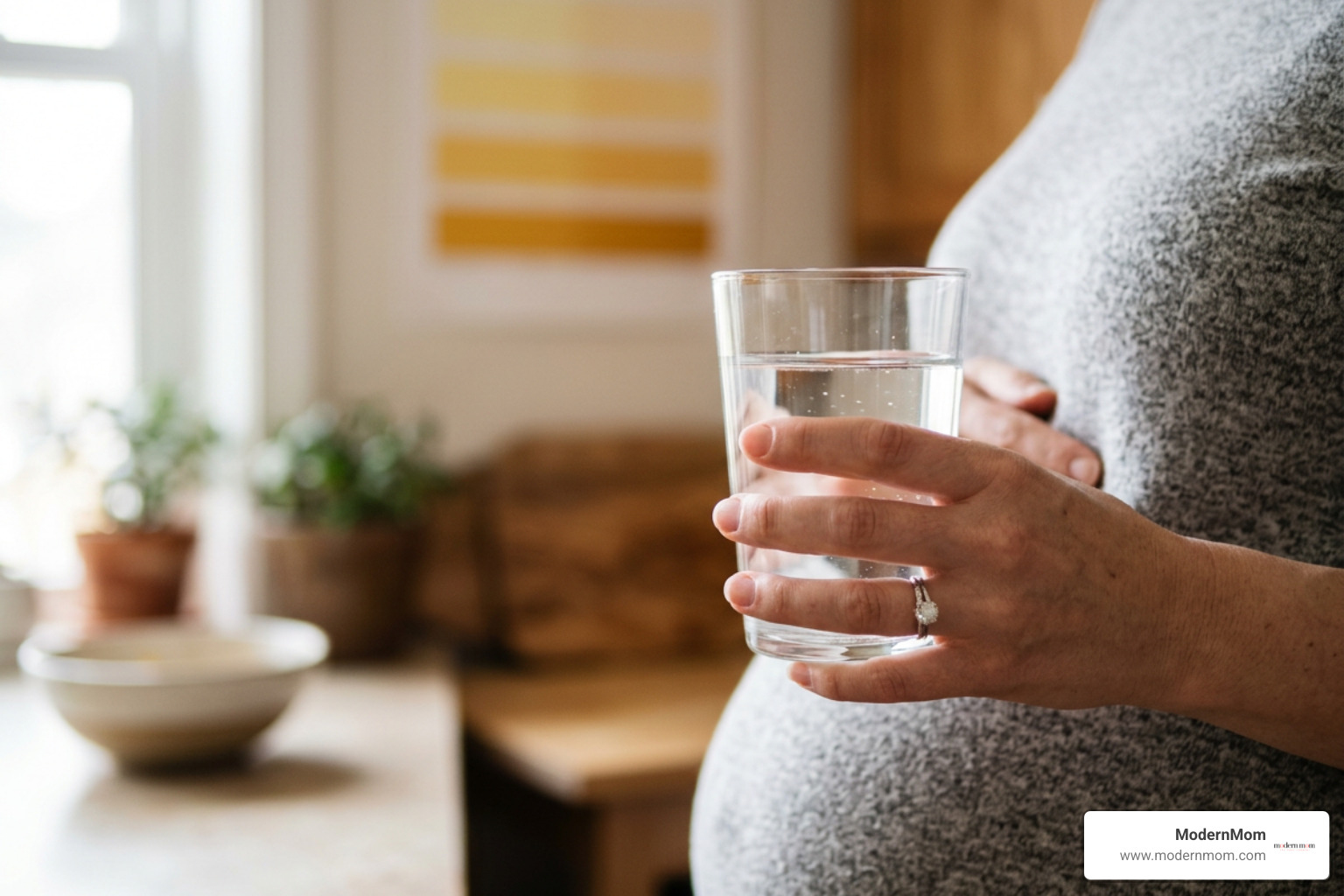
Monitoring your urine color is one of the easiest ways to evaluate your daily hydration status. Aim for a pale, straw-like yellow color. Dark yellow, amber, or strong-smelling urine indicates that your body is holding onto fluid and needs a drink right away.
Electrolyte Management and Rehydration Solutions
When you’re drinking large volumes of plain water, balancing your minerals is essential. Sweating, high heat, and morning sickness wash out critical electrolytes like sodium, potassium, and magnesium, which can actually leave you feeling thirstier despite drinking gallons of water.
Natural options like coconut water or bone broth provide mineral replenishment without artificial additives. If you opt for commercial electrolyte powders or oral rehydration packets, choose options low in added sugar and watch out for excessive sodium content.
Always check with your midwife or OB-GYN before adding daily electrolyte supplements, especially if you’re managing blood pressure concerns or gestational diabetes.
Practical Hydration Tips and Smart Digital Tracking
Building simple, repeatable drinking habits helps ensure you meet your hydration targets without feeling overwhelmed. Try leaving filled, reusable water bottles in key spots around your home, office, or car so water is always within arm’s reach.

Many moms find success by embracing technology. Research on digital hydration-tracking tools indicates that up to 69% of pregnant women are interested in using smart apps or connected bottles to establish consistent fluid intake habits.
To find your baseline intake based on weight and activity, try a tool like the Pregnancy Hydration Calculator to customize your daily fluid goal.
Setting gentle hourly alarms on your phone or marking time goals directly onto a clear water bottle can turn staying hydrated into an easy, achievable routine throughout your busy day.
Frequently Asked Questions About Pregnancy Thirst
Is excessive thirst an early sign of pregnancy?
Yes, extra thirst can be one of the earliest signs of pregnancy, sometimes appearing before you even get a positive test. Early hormonal surges trigger systemic blood vessel dilation, which prompts your brain to demand more water to start building maternal blood volume. If you’re going through fertility treatments, read about the First Signs Of Pregnancy After IVF Embryo Transfer to learn what body changes to expect.
How many glasses of water should a pregnant woman drink daily?
Healthcare providers generally recommend drinking 8 to 10 glasses (about 64 to 80 ounces) of plain water daily, with total daily fluids reaching around 10 to 12 cups when accounting for food moisture and other drinks. If you live in a hot climate, exercise, or experience morning sickness, you’ll need to increase that baseline to replace lost fluids.
When should I consult my doctor about pregnancy thirst?
You should consult your care team if your thirst is unquenchable despite heavy drinking, or if it comes with extreme fatigue, blurred vision, dry mouth, or very frequent urination. Seek immediate medical attention if you can’t keep liquids down due to vomiting, feel dizzy when standing, or notice sudden severe swelling in your hands or face.
Conclusion
Navigating pregnancy comes with a endless list of unexpected physical changes, and feeling pregnant and always thirsty is easily one of the most common. Most of the time, that constant urge to sip water is simply your body’s brilliant way of keeping your blood volume healthy, renewing amniotic fluid, and nurturing your baby’s rapid growth.
Listen to your body’s signals, keep a refillable water bottle close by, and nourish yourself with hydrating whole foods throughout the day. You don’t have to navigate these daily symptoms on your own—your healthcare team is always there to support you.
If you ever feel that your thirst is unquenchable or accompanied by unusual fatigue, don’t hesitate to reach out to your prenatal provider for a quick check. Want to dive deeper into prenatal wellness and warning signs? Learn more about excessive thirst during pregnancy to keep yourself informed, comfortable, and confident on every step of your motherhood journey.