


If you’re a mom of a teenage boy or young adult, chances are the words “military draft” hit differently than they did before you had kids.
Suddenly, a conversation about military readiness or Selective Service isn’t abstract. It’s about your son. It’s about the kid whose lunch you packed, whose soccer games you sat through, or who may have just left home for college.
And with changes coming to the Selective Service registration system, along with continuing global conflicts and military tensions, it’s understandable that some parents have questions.
So let’s start with the most important fact:
There is no active military draft in the United States.
The U.S. military has operated as an all-volunteer force since 1973. Registering with the Selective Service is not the same as joining the military, and it does not mean your child is about to be called into service.
What is changing is how eligible young men are registered with the Selective Service System.
Here’s what moms need to know — without the panic, political spin, or social-media rumors.
What Is Changing With Selective Service in 2026?
For decades, most young men have been required to take action to register with the Selective Service around their 18th birthday.
That system is changing.
The 2026 National Defense Authorization Act requires the Selective Service Systemp to move toward automatic registration. Instead of relying primarily on individual young men to complete the process themselves, the agency will use information available through federal data sources to identify and register people who are required by law to be in the system.
The Selective Service System says it plans to implement the change by December 2026.
That is a significant administrative change, but it is important to separate registration from conscription.
Automatic registration does not activate a draft.
It changes how names get into the Selective Service database.
Why Is Registration Becoming Automatic?
Registration rates have been declining in recent years. One major reason is surprisingly mundane: Selective Service registration used to be connected to the federal student-aid process, giving young men another reminder to register.
That connection ended after changes to the FAFSA system.
Automatic registration shifts more of the responsibility for maintaining the database from individual young men to the Selective Service System itself.
For moms, there is a practical upside: it should reduce the risk that a young man simply forgets about a federal requirement and later discovers that his registration status affects an application for certain government jobs, state-based financial aid programs, federally funded job training, or, for some immigrants, the naturalization process.
But parents can reasonably have broader questions about why the government maintains this database in the first place — particularly when news about war and international conflict is difficult to escape.
Does Automatic Registration Mean a Draft Is Coming?
No.
There is currently no military draft.
The Selective Service maintains a registry so that a draft system could be activated in a national emergency if the federal government decided one was necessary.
Getting from that database to actual conscription would involve a major legal and governmental process. Under the current system, Congress and the President would have to authorize a return to the draft.
In other words, the government cannot simply begin pulling names out of the Selective Service database because international tensions increase.
That distinction matters.
It is perfectly reasonable for parents to pay attention to military policy. But automatic registration itself should not be interpreted as an announcement that young Americans are about to be drafted.
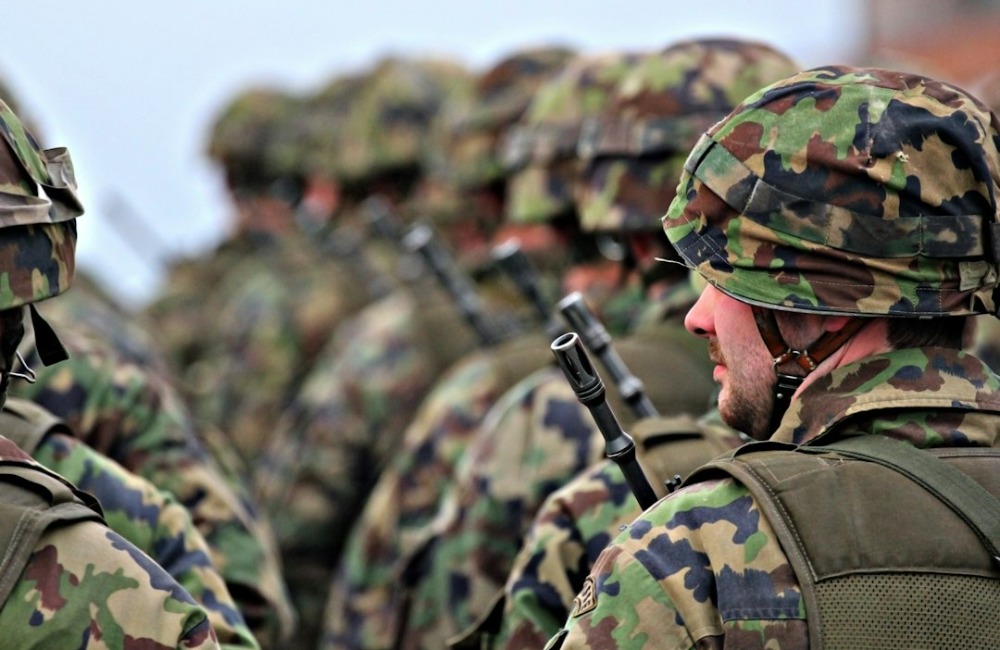
Why Military Draft Concerns for Parents Feel So Personal
For policymakers, military preparedness can sound like a discussion about troop levels, readiness and national security.
For moms, it can feel very different.
We see our children.
Even when they turn 18, head off to college, start careers and technically become adults, that instinct to protect them doesn’t simply switch off.
That is why news about Selective Service changes can cause anxiety even when there is no active draft.
Parents may wonder:
- Could my son actually be called?
- Who would be drafted first?
- Would college protect him?
- What if he has a medical condition?
- What if he has a moral or religious objection to war?
- Could women eventually be required to register?
- What does this mean for transgender or nonbinary kids?
- And how quickly could all of this change?
Those are fair questions. Understanding what the current system actually says can make the conversation less frightening.
The Eligibility Checklist: Who Is Actually Required to Register?
Under current federal rules, Selective Service registration applies to most male U.S. citizens and male immigrants living in the United States between ages 18 and 25.
That includes many documented and undocumented immigrants.
But registration is very different from being found eligible for military service.
Even people with medical conditions or disabilities that could prevent them from serving are generally still required to register. Questions about whether someone could actually serve would be addressed only if a draft were activated and that individual were called for evaluation.
Who Currently Has to Register?
| Group | Registration Required? | Notes |
|---|---|---|
| Male U.S. citizens | Yes | Generally required between ages 18 and 25. |
| Male immigrants | Yes | Includes many documented and undocumented immigrants, with certain exceptions. |
| Women | No | Not currently required under federal law. |
| Active-duty military | No* | Generally exempt while continuously serving on active duty. |
*Registration rules contain specific exceptions, so families with unusual circumstances should check the current Selective Service requirements.
Women are not currently required to register under federal law. Whether registration requirements should be expanded has been debated repeatedly, but any change would require federal action.
What About Transgender and Nonbinary Young People?
Current Selective Service rules still base the registration requirement on sex assigned at birth rather than gender identity.
That means the government’s classification may not reflect a transgender or nonbinary person’s identity. Advocates have criticized the policy as discriminatory.
Families with transgender or nonbinary children should check the current Selective Service requirements carefully because the rules may not work the way they expect.
Registration Does Not Mean Your Son Would Automatically Qualify for Service
This is another important distinction.
Being registered simply puts someone in the Selective Service system.
If a draft were ever authorized, registrants who were called would undergo an evaluation before induction. The current Selective Service plan includes physical, mental and other eligibility assessments.
Medical conditions, disabilities and other circumstances could affect whether someone was ultimately considered eligible to serve.
So registration should never be interpreted as a determination that your child is physically or otherwise qualified for military service.

If a Draft Happened, Who Would Be Called First?
A future draft would not simply begin with every 18-year-old receiving an induction notice.
The Selective Service’s current planning calls for a national lottery based on birthdays.
Under that system, men turning 20 during the lottery year would be considered first.
If more people were needed, the sequence would then move through ages 21, 22, 23, 24 and 25 before going to younger age groups.
People selected through the lottery would receive orders to report for evaluation. That is also the stage at which claims for certain postponements, exemptions or deferments could be considered.
Again, none of this process is currently underway. It describes the system that would exist if Congress and the President authorized a draft.
What Happens If My Son Is in High School or College?
This is one of the first questions many moms ask.
A student would not necessarily have to leave a classroom the moment his number is selected.
Current Selective Service planning includes certain postponements for students. High-school students can have induction postponed under specified circumstances, and college students may be able to complete their current semester. College seniors may be permitted to complete the academic year.
Those are postponements rather than the sweeping student deferments associated with the Vietnam era.
If a draft were actually authorized, families would need to consult the rules in effect at that time because Congress and federal agencies could alter procedures as part of the legislation activating a draft.
What About Conscientious Objectors?
Registering does not require a young person to abandon deeply held moral, ethical or religious objections to war.
Someone who considers himself a conscientious objector must still register if he otherwise falls under the registration requirement.
There is no conscientious-objector box to check during registration.
If a draft were activated and that person were called, he could then claim conscientious-objector classification. Current Selective Service rules contemplate both noncombatant military service and alternative civilian service for people whose claims are approved.
For families who feel strongly about military service, this is an area worth understanding before a crisis ever occurs.
Could My Son Be Exempt Because He Has a Medical Condition?
Not from registration in most cases.
One of the most common misunderstandings about Selective Service is that a young man who clearly could not serve in the military does not have to register.
Generally, he does.
Selective Service does not determine someone’s fitness for military service when he registers.
If a draft occurred, they would evaluate eligibility later.
There are limited exceptions to the registration requirement, including certain circumstances involving people who are continuously confined to a residence, hospital or institution.
Because those exemptions are narrow and fact-specific, parents should not assume a medical diagnosis automatically eliminates the registration requirement.
What Happens If Someone Doesn’t Register?
This is another area where internet advice can get messy.
Under current law, knowingly failing to register when required can carry criminal penalties, including a potential fine or imprisonment.
In practice, registration status can also affect certain opportunities.
These can include eligibility for:
- state-funded student aid in some states,
- many federal jobs,
- federally funded workforce-training programs, and
- naturalization for some immigrant men.
One important update for parents: federal student financial aid itself is no longer conditioned on Selective Service registration.
The FAFSA Simplification Act changed that.
Because requirements can vary by state or program, young men approaching adulthood should still know their registration status rather than assuming it does not matter.
Practical Steps Moms Can Take
We can’t control every headline or every international conflict. But we can make sure our families understand what is actually happening.
Check the Facts Before Sharing Scary Headlines
Social media posts often use the terms draft, registration and military service interchangeably.
They are not the same thing.
An automatic registration system is a real policy change. It is not, by itself, the beginning of conscription.
Know Whether Your Child Is Registered
Parents of young men who are already 18 can encourage them to verify their registration status through the Selective Service System.
Until automatic registration is fully implemented, families should not assume the new system has already handled it.
Keep Important Medical Records
If your child has significant medical conditions or disabilities, maintaining organized records is good practice regardless of Selective Service.
If a draft ever occurred and your son were called for evaluation, documentation could become relevant.
Talk to Your Kids About What They’re Hearing
Teens and young adults see the same frightening headlines we do — sometimes before we do.
Ask what they’ve heard.
Explain the difference between registration and a draft.
And if you don’t know an answer, look it up together instead of filling the gap with speculation.
So, Should Moms Be Worried About a Military Draft?
You don’t have to dismiss your concerns to stay grounded in the facts.
There is no active U.S. military draft.
The government is changing how Selective Service registration works, and that is a legitimate policy development for families to understand. But automatic registration does not mean young people are being inducted into the military.
A future draft would require substantial federal action and would trigger a process involving a lottery, eligibility evaluations and opportunities to make certain claims for postponement, deferment, exemption or conscientious-objector status.
For most moms, the best thing we can do right now is much less dramatic: know the rules, talk openly with our kids and pay attention when policies affecting their futures change.
Staying informed isn’t the same as panicking.
Sometimes it’s simply another part of being Mom.