Thousands of books are disappearing from school library shelves across America. Here’s why it matters, what parents can do, and how to help your kids access books—even when their schools won’t.
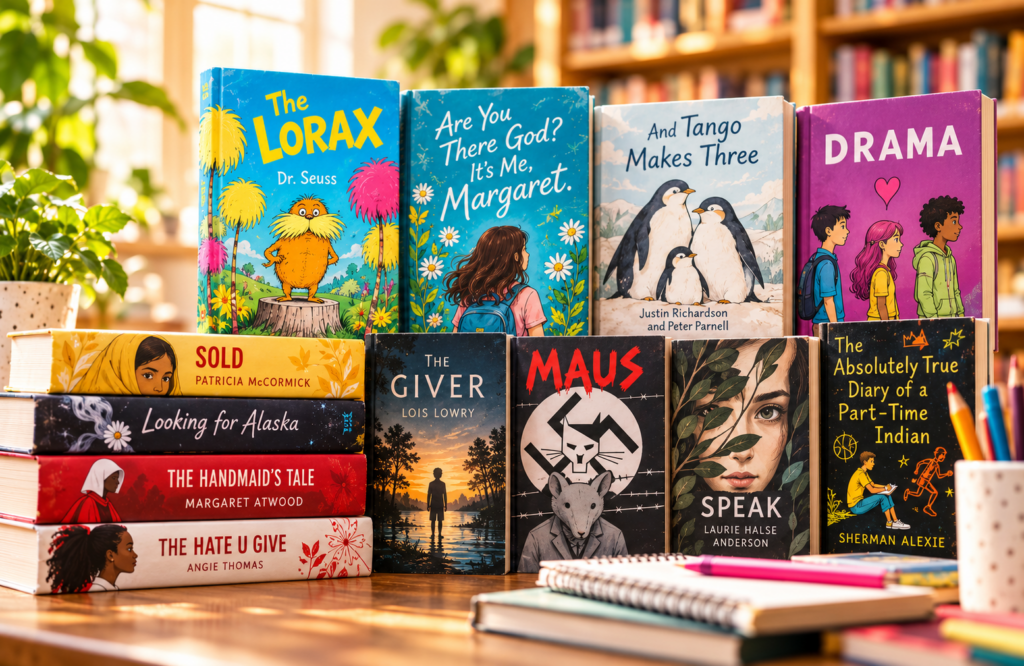
What do The Lorax, Maus, Looking for Alaska, and The Handmaid’s Tale have in common?
They’ve all faced efforts to remove or restrict them from classrooms or libraries.
Yes, even Dr. Seuss.
Some books are challenged because they deal with sexuality, race, religion, or gender identity. Others have been targeted for their political messages, uncomfortable historical truths, or even their environmental themes.
And while parents absolutely have a right to decide what is appropriate for their own children, there’s a much bigger question here:
Should one family’s objections determine what every other child is allowed to read?
At ModernMom, we believe reading should open doors, encourage curiosity, and help kids learn to think for themselves. That doesn’t mean every book is appropriate for every age. It means families should have the freedom to make informed choices.
And those choices are becoming increasingly important.
Book Banning in America: The Numbers Are Alarming
According to the American Library Association (ALA), 4,235 unique book titles were challenged in 2025—the second-highest total ever recorded by the organization.
The overwhelming majority of those challenges weren’t coming from individual parents. In fact, approximately 92% were initiated by pressure groups, government officials, and other decision-makers. Fewer than 3% originated with individual parents.
The situation in schools is even more concerning.
According to PEN America’s October 2026 report, the 2025–2026 school year saw:
- 11,982 instances of school book bans across the United States.
- 7,370 unique titles affected.
- 114 school districts recording book bans.
- More than 4,000 authors, illustrators, and translators whose work was affected.
These figures represent different measures of censorship. A challenge is an attempt to remove or restrict a book, while a ban can involve removing a title or restricting access to it. A book banned in one school district may still be widely available elsewhere.
But the scale of these efforts should concern anyone who cares about education, literacy, and intellectual freedom.
And here’s something else worth considering: among the books being challenged are award-winning novels, beloved children’s stories, historical accounts, and books that have helped generations of readers understand themselves and the world around them.
Why Are Books Being Banned?
The reasons vary enormously.
Some parents object to books that contain sexual content, violence, profanity, or discussions they believe are inappropriate for certain age groups.
Others oppose books that explore racism, LGBTQ+ identities, religious beliefs, or social issues.
Sometimes, books become controversial simply because they challenge established ideas.
Take The Lorax, for example. In 1989, the Dr. Seuss classic faced objections in a California logging community because of concerns about its portrayal of the timber industry. The school board ultimately voted to keep it on the reading list.
Or consider Maus, Art Spiegelman’s Pulitzer Prize-winning graphic narrative about the Holocaust. In 2022, a Tennessee school board removed it from its eighth-grade curriculum over concerns about language and imagery.
The irony? The controversy helped introduce Maus to an entirely new audience.
Perhaps the most famous example is Ray Bradbury’s Fahrenheit 451, a novel about a society that burns books to suppress independent thought. Even this book has a history of censorship, including a publisher-produced edition that removed passages considered unsuitable for students.
The lesson seems almost too obvious: restricting access to ideas doesn’t make those ideas disappear.
12 Banned or Challenged Books Worth Exploring With Your Kids
Not every book on this list is appropriate for every child. Some are picture books, others are written for middle-grade readers or teenagers, and several contain mature themes better suited to older teens or adults.
These books have been challenged, removed, or restricted in particular schools or libraries at different times—not necessarily banned everywhere.
Use this list as a starting point for discovering new books, researching their history, and starting conversations with your children.
Affiliate Disclosure: This post contains Amazon affiliate links. If you purchase a book through one of these links, ModernMom may earn a small commission at no additional cost to you.
For Younger Readers and Families
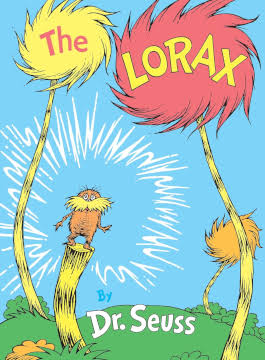
1. The Lorax — Dr. Seuss
A colourful, unforgettable story about protecting the environment and taking responsibility for our actions. It’s a wonderful conversation starter about conservation, corporate responsibility, and speaking up for what matters.
Discussion starter: Can a children’s book change how people think about the environment?
2. And Tango Makes Three — Justin Richardson and Peter Parnell
Based on the true story of two male penguins at New York City’s Central Park Zoo that cared for an egg and raised a chick together. The picture book has faced repeated challenges over its depiction of a same-sex penguin pair.
Discussion starter: What makes a family?
Find And Tango Makes Three on Amazon
3. Are You There God? It’s Me, Margaret. — Judy Blume
For generations, Judy Blume has helped kids navigate puberty, friendship, religion, and the awkwardness of growing up. This beloved novel has faced challenges because of its frank discussions about menstruation and adolescence.
Discussion starter: Why can it be easier to read about growing up than to talk about it?
Find Are You There God? It’s Me, Margaret. on Amazon
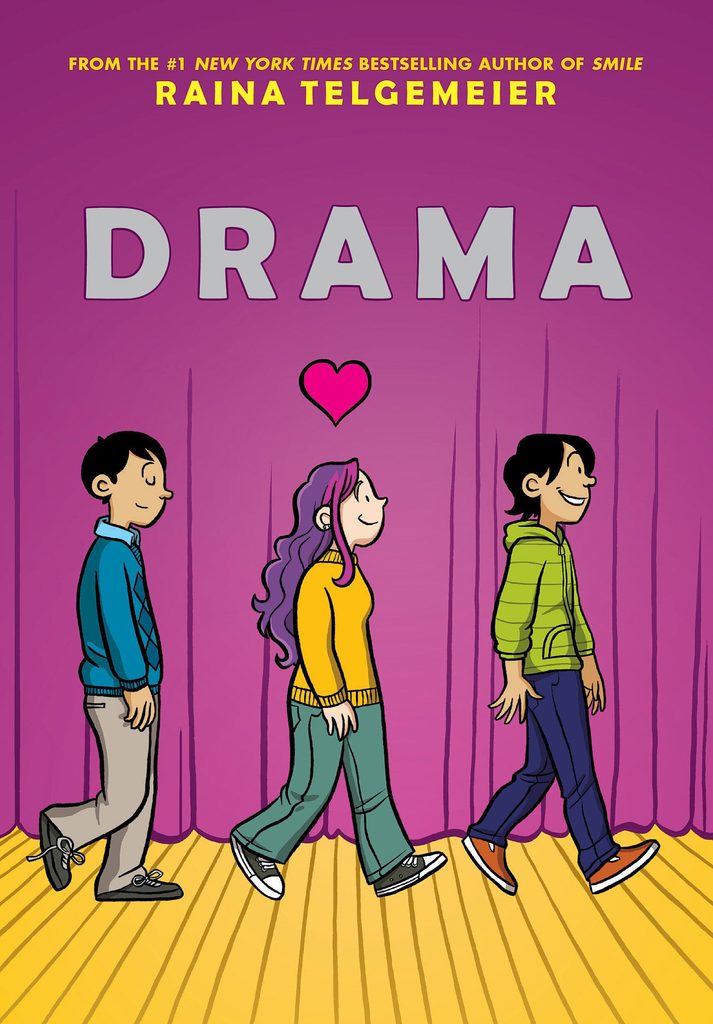
4. Drama — Raina Telgemeier
This popular middle-grade graphic novel follows students preparing a school theatre production while navigating friendships, crushes, and questions about identity. Its LGBTQ+ characters and relationships have made it a frequent target of challenges.
Discussion starter: Why is it important to read stories about people whose lives may be different from ours?
For Middle-Grade Readers and Teens
5. The Giver — Lois Lowry
In a seemingly perfect society, people have sacrificed memory, choice, and individuality for stability. This award-winning dystopian novel invites readers to question authority and examine what makes us human.
Discussion starter: Would you give up freedom if it guaranteed safety and comfort?
6. The Absolutely True Diary of a Part-Time Indian — Sherman Alexie
This award-winning novel follows a Native American teenager navigating poverty, identity, friendship, and life between two communities. It has been challenged for its language, sexual references, and other mature content.
Discussion starter: How does reading about someone else’s experiences change our understanding of the world?
Find The Absolutely True Diary of a Part-Time Indian on Amazon
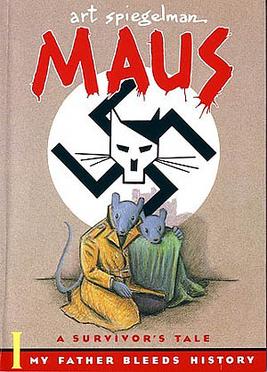
7. Maus — Art Spiegelman
Through powerful black-and-white illustrations, Spiegelman tells the story of his father’s survival during the Holocaust and its impact on subsequent generations. It’s a difficult but important work about history, trauma, and remembrance.
Discussion starter: Why is it important to confront painful parts of history rather than avoid them?
8. The Hate U Give — Angie Thomas
Sixteen-year-old Starr Carter witnesses the fatal police shooting of her childhood friend and must navigate grief, identity, racism, and the pressure to speak publicly. The novel has faced restrictions and challenges over its language and themes.
Discussion starter: What does it take to speak up when doing so might change your life?
Find The Hate U Give on Amazon
For Older Teens and Mature Readers
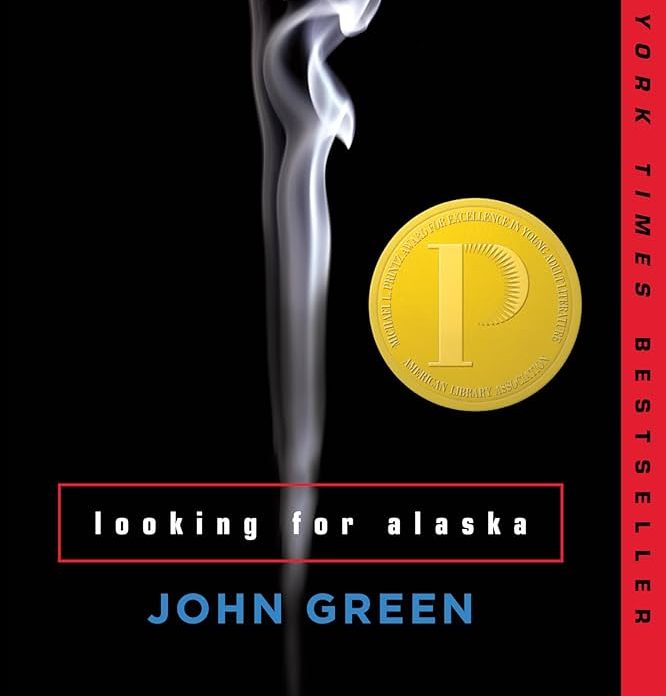
9. Looking for Alaska — John Green
A coming-of-age story about friendship, grief, love, and searching for meaning. Frequently challenged over sexual content and language, it was among the American Library Association’s most challenged books of 2025.
Discussion starter: Should difficult subjects be avoided in books, or can reading help us understand them?
Find Looking for Alaska on Amazon
10. Speak — Laurie Halse Anderson
A powerful novel about a teenage girl dealing with the aftermath of sexual assault and struggling to find her voice. It has been challenged over its sensitive subject matter.
Discussion starter: How can we help someone who is having difficulty telling us what happened to them?
11. Sold — Patricia McCormick
This acclaimed novel follows a young Nepalese girl who is trafficked into sexual exploitation. Its subject matter is disturbing, but it draws attention to human trafficking and the vulnerability of children. It topped the ALA’s list of most challenged books in 2025.
Discussion starter: How can stories help people understand injustices happening elsewhere in the world?
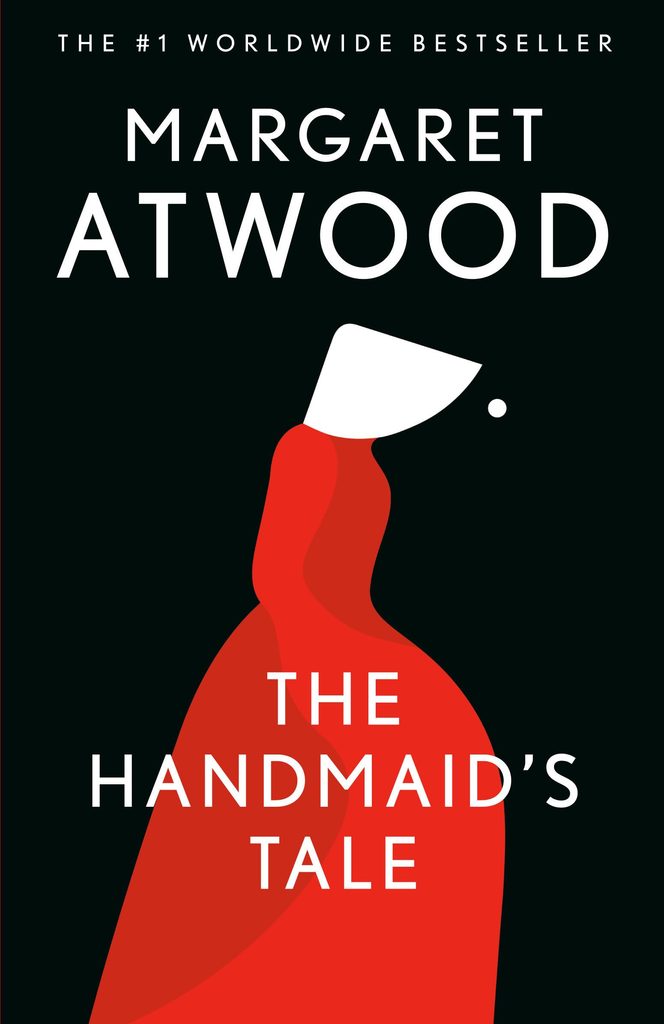
12. The Handmaid’s Tale — Margaret Atwood
This dystopian novel imagines a society in which women’s rights have been stripped away and reproductive freedom is controlled by the state. It has repeatedly faced challenges and restrictions because of its explicit content and political and religious themes.
Discussion starter: How do societies protect individual freedoms, and what happens when those protections disappear?
Find The Handmaid’s Tale on Amazon
Parent note: These are not universal age recommendations. Review descriptions, content information, and your child’s readiness before choosing a book, particularly those dealing with sexual violence, abuse, and other traumatic subjects.
You Don’t Have to Buy a Book to Read It
Here’s something we wish more families knew: a book missing from your school library doesn’t necessarily mean your child can’t read it.
Public libraries offer a tremendous resource, often completely free.
And thanks to digital library collections, kids don’t even need to visit a physical building to borrow books.
Start With Your Local Public Library
If your child doesn’t have a library card, this is a perfect reason to get one.
Many public libraries offer ebooks, audiobooks, and other digital resources that children can access on a phone, tablet, computer, or e-reader.
Ask your librarian how to register your child, what digital collections are available, and whether your library participates in reciprocal borrowing arrangements with neighbouring library systems.
Download Libby and Start Borrowing
Libby is a free reading app that connects users to participating libraries’ digital collections.
Once you’ve registered with your library, you can search its catalogue, borrow ebooks and audiobooks, and place holds on popular titles.
Even better, Libby supports multiple library cards.
That means if your family qualifies for cards from more than one library system, you can add them to the app and check which library has the book you’re looking for.
Remember that you need a valid card for each participating library. Simply adding a library to the app doesn’t give you borrowing privileges.
Books Unbanned: Free Digital Library Cards for Teens Across America
This might be the most exciting resource of all.
Books Unbanned is an initiative launched by Brooklyn Public Library to help young people access books that may be restricted or unavailable in their communities.
The program has grown to include libraries in Seattle, Boston, Los Angeles County, San Diego, and Long Beach.
Participating libraries offer free digital library cards to eligible young readers, allowing them to borrow ebooks and audiobooks even if they don’t live in that library’s local service area.
For example:
- Brooklyn Public Library: Free Books Unbanned digital cards for eligible U.S. readers ages 13–21, providing access to its ebook and audiobook collections.
- Seattle Public Library: Free digital cards for eligible U.S. readers ages 13–26 outside its service area, with access to its digital collection.
- LA County Library: Free access to its digital collection for eligible California residents ages 13–18.
Other participating libraries have their own eligibility requirements and collections.
Families can visit the Books Unbanned library card application page to see which programs their teens qualify for and apply directly.
For a teenager whose school has removed a book they want to read, access to another library’s digital collection can make a meaningful difference.
And it costs nothing for eligible participants.
How to Talk to Your Kids About Banned Books
You don’t need to agree with every author or approve of every passage in a book to recognize its value as a starting point for discussion.
In fact, some of the most meaningful conversations happen when a book makes us uncomfortable.
Instead of immediately telling children what to think about a controversial title, try asking them what they think.
Why might someone object to this book? Do you agree with those objections? What does the author want readers to consider? Whose perspective might be missing? And should a book be removed because someone disagrees with it?
For younger children, these conversations might begin with a picture book about friendship, kindness, or the environment.
For older teens, they might involve more difficult discussions about racism, sexual violence, politics, religion, or identity.
Parents can also read alongside their children. A shared book can create opportunities for conversations that might otherwise feel awkward or intimidating.
And it’s perfectly reasonable to decide that your child isn’t ready for a particular book. That’s parenting. The distinction is between making that choice for your own family and removing the choice from everyone else’s.
Raise Readers, Not Just Rule Followers
One of the greatest gifts we can give our children is the ability to think critically.
To ask questions. To recognize different perspectives. To challenge misinformation. To understand that the world is complicated and that not every difficult subject has a simple answer.
Books help build those skills.
They introduce children to places they’ll never visit, people they’ll never meet, and experiences they’ll never have firsthand. They can make kids feel less alone or help them understand lives radically different from their own.
We don’t have to love every book our children read.
We don’t have to agree with every author.
But we should want our kids to grow into adults who can read something challenging, consider its meaning, and form their own opinions.
So get your kids a library card. Help them explore the shelves. Show them how to borrow ebooks. And when they’re ready, encourage them to read something that makes them think.
Because the answer to a challenging book isn’t always to take it away.
Sometimes, it’s to open a conversation.
Have you or your children ever read a book because someone tried to ban it? Tell us which one in the comments.
Sources and Further Reading
- American Library Association — Censorship by the Numbers
- ALA — Most Challenged Books of 2025
- PEN America — A Spotlight on School Book Bans, 2025–2026
- Books Unbanned — Participating Libraries and Applications
- Brooklyn Public Library — Books Unbanned
- Libby — Digital Library App
- Libby Help — Using Multiple Library Cards