
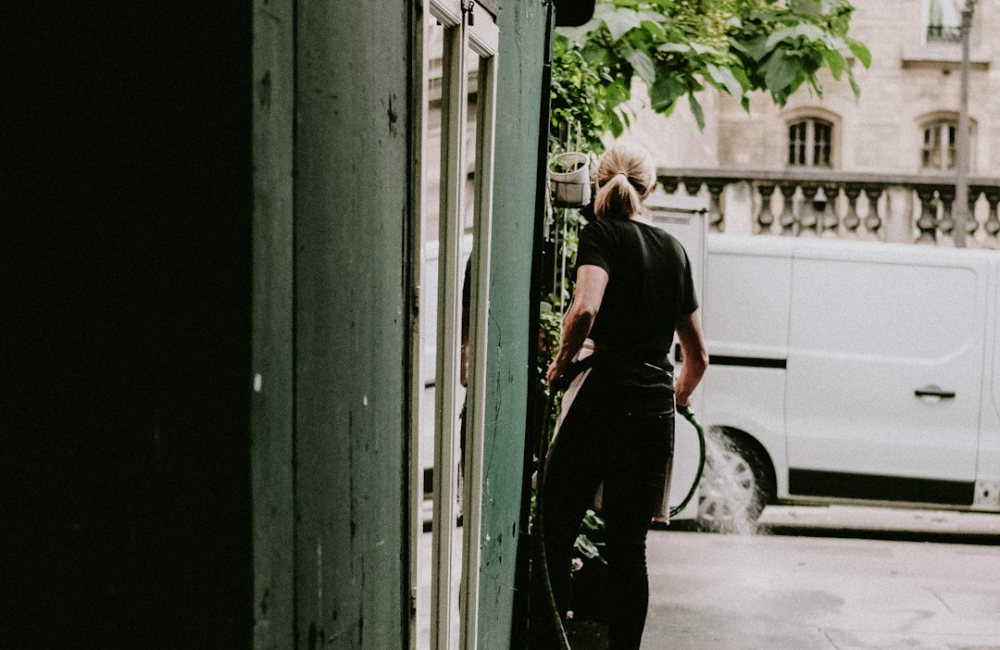
Yearly cleaning of the exterior paint of a home or building can not only keep the exterior looking nice but also help prevent damage from surface dirt and debris. Cleaning the exterior is also a necessary first step when applying a new coat of paint. When cleaning exterior paint, you want to ensure that you remove dirt, mold and mildew without damaging the painted surface.
Over time, outdoor surfaces collect dust, pollen, pollution, bird droppings and moisture-related stains. Regular cleaning helps maintain your home’s curb appeal and gives you an opportunity to identify peeling paint, cracks or other problems before they require expensive repairs.
Fortunately, cleaning painted siding doesn’t always require special equipment or professional help. With a garden hose, soft brush and the right cleaning solution, many homeowners can tackle the job themselves.
Step 1: Choose the Right Weather Conditions
Wash the exterior of the painted building or house on a mild, dry day with low humidity. This helps the surface dry thoroughly and reduces the conditions that encourage mold and mildew growth.
Avoid washing in direct, intense sunlight, particularly during the hottest part of summer. Cleaning solutions may dry on the surface before you have time to rinse them away, potentially leaving streaks or residue.
Check the weather forecast before starting. Ideally, choose a day without rain and allow sufficient drying time afterward.
Before washing, close all windows and doors, move outdoor furniture away from the house and protect nearby plants. Inspect the painted surface for cracks, peeling paint or loose siding that could allow water to enter.
Step 2: Treat Mold, Mildew and Stubborn Stains
Use an exterior cleaning solution specifically approved for painted surfaces to treat mold, mildew and accumulated dirt. Some oxygen bleach products are suitable for this purpose, but always check the manufacturer’s instructions before applying them to exterior paint.
A garden pump sprayer can make it easier to distribute the cleaner evenly. Apply the solution to affected areas and allow it to sit for the time specified on the product label. Avoid letting the cleaner dry on the surface.
Pay particular attention to areas beneath gutters, around downspouts and on shaded walls where moisture tends to accumulate.
Wear protective gloves and eye protection when handling cleaning products. Never mix bleach-based cleaners with ammonia, vinegar or other household chemicals, as dangerous fumes can result.
If mold or mildew repeatedly returns, look for underlying moisture problems, including leaking gutters, poor drainage or overgrown vegetation that prevents surfaces from drying.
Step 3: Gently Scrub the Painted Surface
Scrub exterior paint with a soft-bristled brush, such as one designed for cleaning cars or recreational vehicles, and a mild solution of soap and water.
Use a non-abrasive detergent suitable for painted surfaces, following the manufacturer’s dilution instructions. Test the solution on a small, inconspicuous area before cleaning an entire wall.
Work in manageable sections, starting near the bottom and moving upward to reduce streaking. Apply gentle pressure, particularly on older paint that may be more vulnerable to damage.
Avoid wire brushes, abrasive scrubbing pads and harsh chemical cleaners, which can scratch or strip the finish.
Although pressure washers are commonly used to clean home exteriors, excessive pressure can damage paint, force water behind siding and loosen deteriorating surfaces. A garden hose and soft brush are generally safer choices for routine cleaning.
Step 4: Rinse Thoroughly and Inspect the Paint
Rinse the exterior paint with a spray nozzle attached to a garden hose. Use a gentle stream of clean water to remove soap, loosened dirt and any remaining cleaning solution.
Work from the top down when rinsing, keeping the spray directed downward to avoid forcing water beneath siding or around window frames.
Make sure all cleaning products are completely removed, as leftover residue can leave streaks or interfere with the adhesion of future paint.
Once the surface has dried, inspect the exterior for bubbling, cracking, peeling or fading paint. These may indicate that repairs or repainting are necessary.
If you’re preparing to repaint, allow the surface to dry completely before proceeding with additional preparation, priming or painting.
How Often Should You Clean Exterior House Paint?
For most homes, cleaning exterior painted surfaces once a year is a reasonable starting point. However, homes surrounded by trees, exposed to heavy traffic pollution or located in humid climates may require more frequent attention.
Between annual cleanings, rinse away bird droppings, mud splashes and other localized stains before they become difficult to remove.
Keep gutters clear, trim vegetation away from exterior walls and address moisture problems promptly to help preserve the painted finish.
One important safety consideration: Homes built before 1978 may contain lead-based paint. If you suspect lead paint, particularly where the finish is peeling or deteriorating, consult a qualified lead-safe professional before scrubbing, pressure washing or otherwise disturbing the surface.
Regular exterior cleaning is a relatively simple home maintenance task that can make a noticeable difference. By using gentle cleaning methods and addressing problems early, you can help protect your home’s painted surfaces and potentially extend the time between repainting projects.
Editor’s Note: Originally published December 10, 2010. Updated October 11, 2026, with additional cleaning tips, safety recommendations and current best practices for maintaining exterior house paint.