
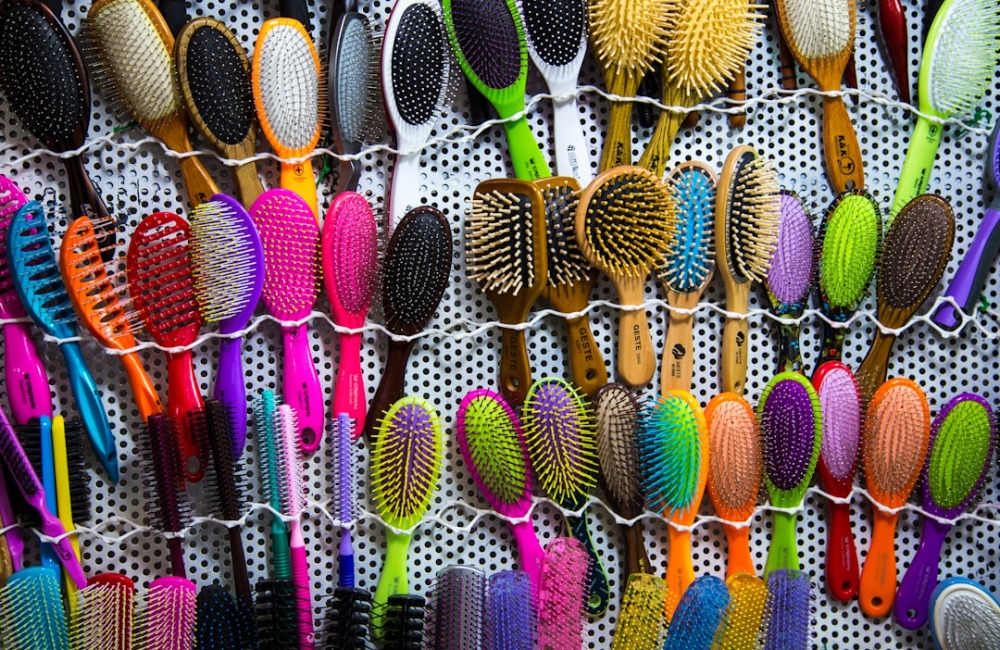
Hairbrushes are often overlooked in your beauty routine, but they can collect a surprising amount of hair, oil, dead skin cells, dust, and leftover hair products like hairspray, gel, and mousse.
Learning how to wash your hairbrushes properly can help keep them cleaner and allow them to work more effectively. Regular cleaning also means you’re not putting yesterday’s product buildup and grime right back onto freshly washed hair.
For the best results, try to give your hairbrushes a thorough cleaning about once a week, especially if you regularly use styling products.
How to Wash Your Hairbrushes
Step 1: Fill the sink with warm water
Fill a sink or basin with warm water and add a small amount of shampoo. You only need a few drops—there’s no need to create a sink full of suds.
Tip: Avoid very hot water if your brush has a wooden handle, wood components, or other materials that could be damaged by prolonged exposure to water.
Step 2: Remove the loose hair
Before washing the brush, remove as much loose hair as possible.
Use your fingers or a comb to pull the hair away from the bristles. For hair that is tightly wound around the brush, carefully cut through it with a small pair of scissors before pulling it out.
Removing the hair first makes it much easier to clean the brush itself.
Step 3: Wash the bristles
Dip the brush into the warm, soapy water and gently rub the bristles with your fingertips.
Work your fingers between the bristles to loosen oil, dirt, and leftover hair products. Give the brush a few gentle swishes through the water to help loosen any remaining residue.
If your brush is made entirely of plastic or another water-safe material, you can soak it for a few minutes. Avoid soaking brushes made of wood or other water-absorbent materials.
Step 4: Scrub away stubborn buildup
If there is still grime or product buildup around the base of the bristles, use an old toothbrush to gently scrub between them.
Pay particular attention to areas where hair products and oils tend to collect.
You don’t need to scrub aggressively. A few gentle passes with the toothbrush should loosen most stubborn buildup.
Step 5: Rinse thoroughly
Hold the brush under clean, lukewarm running water to rinse away the shampoo and loosened dirt.
Make sure all traces of soap are removed. If your brush has a cushioned or padded base, avoid saturating it with water and, when available, follow the manufacturer’s cleaning instructions.
Step 6: Let the brush air dry completely
Shake off excess water and place the brush in a clean, well-ventilated area to dry.
For most brushes, you can stand the brush upright in a cup or glass with the bristles facing upward, allowing air to circulate around them.
Let the brush dry completely before using it again. This is particularly important for brushes with cushioned bases or materials that can retain moisture.
How Often Should You Wash Your Hairbrush?
A good rule of thumb is to thoroughly clean your hairbrush about once a week. However, you may need to clean it more often if you use a lot of hairspray, gel, dry shampoo, oils, or other styling products.
Between deep cleanings, regularly remove loose hair from your brush. This takes only a few seconds and prevents buildup.
Keep Your Hairbrush Clean
Your hairbrush comes into contact with your hair every day, so it makes sense to give it a little attention in return. Taking just a few minutes each week to clean your brush can remove accumulated hair, oil, dust, and styling product residue, helping your brush move more smoothly through your hair.
Now that you know how to wash your hairbrushes, add it to your regular beauty-cleaning routine. A clean brush is a small step that can make a big difference in keeping both your brush and your freshly washed hair feeling clean.