Originally published March 30, 2010. Updated October 6, 2026, to reflect current non-hormonal birth control options, effectiveness rates and terminology.
Hormonal birth control is not the right choice for everyone. Some people prefer to avoid hormones because of side effects, medical conditions or personal preference.
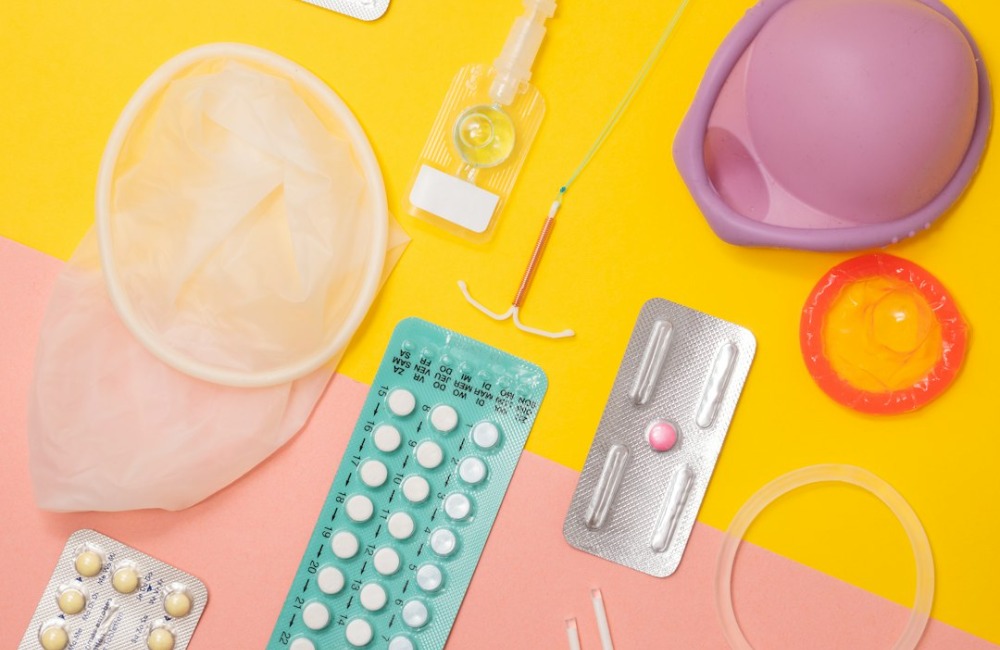
Fortunately, several reliable non-hormonal birth control options are available, including condoms, diaphragms, cervical caps, contraceptive sponges, fertility-awareness methods and the copper IUD.
The best option depends on how much pregnancy prevention you want, whether you need STI protection and how much effort you want to put into using contraception each time you have sex.
Condoms
External condoms are one of the most accessible non-hormonal birth control options.
They are available in latex, polyurethane, synthetic rubber and natural membrane varieties and are worn on the penis during sex.
According to the CDC, about 13 out of 100 people relying on external condoms become pregnant during the first year of typical use.
Latex and synthetic condoms also reduce the risk of HIV and many other sexually transmitted infections when used correctly and consistently.
Natural membrane condoms, sometimes called lambskin condoms, can help prevent pregnancy but should not be relied on for STI protection.
For the best protection:
- Put the condom on before genital contact begins
- Use a new condom every time
- Check the expiration date
- Store condoms away from heat and friction
- Use a compatible lubricant to reduce the risk of breakage
If you have a latex allergy, polyurethane or synthetic rubber condoms may be an alternative.
Diaphragms
A diaphragm is a reusable, dome-shaped barrier placed inside the vagina before sex to cover the cervix.
It is used with spermicide and must remain in place for a period of time after intercourse.
According to the CDC, the typical-use failure rate for diaphragms is about 17%.
A healthcare provider may need to fit or prescribe some types of diaphragms.
Cervical Caps
A cervical cap is a small reusable cup that fits over the cervix and is also used with spermicide.
Effectiveness is lower for people who have previously given birth vaginally.
Because correct placement is important, a healthcare provider can help determine whether this method is appropriate and explain how to use it properly.
Contraceptive Sponges
The contraceptive sponge is a soft disposable device placed in the vagina before sex.
It contains spermicide and covers the cervix to help prevent sperm from entering the uterus.
Its effectiveness varies depending on whether you have previously given birth. Typical-use failure rates are higher than those of many other contraceptive methods, so some people choose to combine the sponge with condoms for additional protection.
Spermicides
Spermicides are non-hormonal products that make it more difficult for sperm to reach an egg.
They are available as gels, foams, creams, films, suppositories and tablets.
Used alone, spermicides are less effective than many other forms of birth control. The CDC estimates a typical-use failure rate of about 21%.
Products containing nonoxynol-9 can also irritate genital tissue when used frequently and do not protect against STIs.
Copper IUD
The copper IUD is one of the most effective non-hormonal contraceptives available.
It is a small T-shaped device inserted into the uterus by a healthcare professional.
Copper interferes with sperm movement and fertilization, making pregnancy very unlikely.
The CDC estimates a typical-use failure rate of approximately 0.8%.
Depending on the product, a copper IUD can provide contraception for many years and can also be used as emergency contraception when inserted within the appropriate time after unprotected sex.
The most common side effects are heavier periods and stronger menstrual cramps, particularly during the first few months after insertion.
Fertility-Awareness Methods
Fertility-awareness methods involve tracking signs of ovulation and avoiding sex or using a barrier method during fertile days.
Depending on the method, this may involve monitoring:
- Menstrual cycle dates
- Cervical mucus
- Basal body temperature
- Other signs of fertility
Effectiveness varies considerably depending on the specific method and how consistently it is followed. The CDC estimates typical-use failure rates ranging from about 2% to 23%.
These methods require careful tracking and do not protect against STIs.
Which Non-Hormonal Birth Control Is Most Effective?
For pregnancy prevention alone, the copper IUD is the most effective reversible non-hormonal option.
If STI protection is also important, condoms remain an important choice because most other contraceptive methods do not reduce STI risk.
Some people choose to combine condoms with another non-hormonal method for additional pregnancy protection.
The Bottom Line
Non-hormonal birth control options range from condoms and diaphragms to fertility-awareness methods and the highly effective copper IUD.
The right choice depends on your comfort level, health, lifestyle, plans for future pregnancy and whether STI protection matters to you.
If you are unsure which method best fits your needs, a healthcare provider can help you compare effectiveness, side effects and convenience.