Originally published March 30, 2010. Updated October 6, 2026, to reflect current guidance on pregnancy symptoms, hormonal birth control and pregnancy testing.
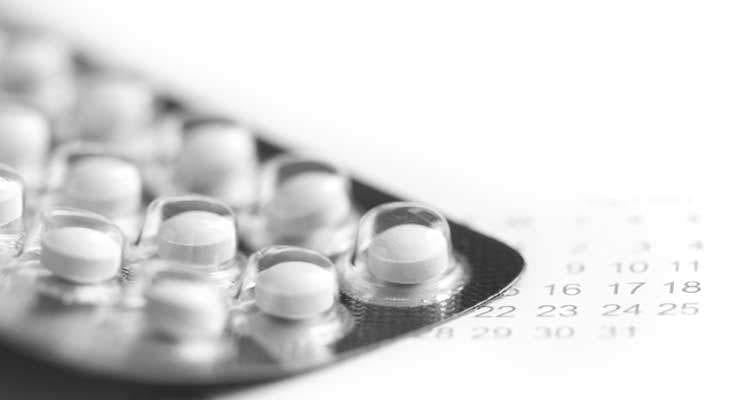
If you use hormonal birth control such as the pill, patch or vaginal ring, it can sometimes be difficult to tell whether symptoms are caused by your contraception or by an early pregnancy.
Nausea, breast tenderness, spotting and changes in your period can occur with both hormonal birth control and pregnancy. And while hormonal contraceptives are highly effective when used correctly, pregnancy is still possible.
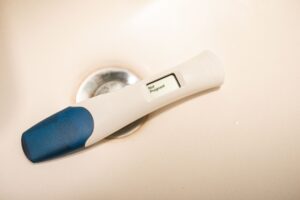
If you think your birth control may have failed, a pregnancy test is more reliable than trying to judge by symptoms alone.
Can You Get Pregnant While on Birth Control?
Yes, although the likelihood depends on the method and how consistently it is used.
Combined hormonal contraceptives—including the pill, patch and vaginal ring—have a typical-use failure rate of about 7%, according to the CDC. Missed pills, starting a new pack late or delays in replacing a patch or ring can increase the chance of pregnancy.
Certain illnesses, medications and prolonged vomiting or diarrhea may also interfere with some methods.
Missed Period or Changes in Bleeding
A missed period can be a sign of pregnancy, but bleeding patterns are less straightforward when you use hormonal birth control.
If you take a traditional birth control pill with placebo pills or a hormone-free interval, you may experience withdrawal bleeding during that time. However, withdrawal bleeding can become lighter over time and sometimes may not occur at all.
Extended-cycle or continuous birth control can also result in infrequent or no scheduled bleeding.
That means not bleeding during your placebo week does not automatically mean you are pregnant.
You should consider taking a pregnancy test if you have missed pills, used your contraception incorrectly or have other reasons to think pregnancy may be possible.
Nausea
Nausea can occur in early pregnancy, but it can also be a side effect of hormonal birth control—particularly when starting a new method.
If you’ve recently started or changed birth control, mild nausea may improve as your body adjusts.
New or persistent nausea does not necessarily mean you’re pregnant, but if it occurs after missed pills or another contraceptive mistake, taking a pregnancy test may provide a clearer answer.
Breast Tenderness
Tender or swollen breasts can occur during early pregnancy, but hormonal contraception can cause the same symptom.
Breast tenderness may be more noticeable when you first begin a hormonal contraceptive or switch to a different formulation.
Because this symptom is not specific to pregnancy, it is more useful to consider whether you’ve had a contraceptive failure or other pregnancy symptoms.
Spotting or Light Bleeding
Spotting can occur both during early pregnancy and while using hormonal contraception.
Breakthrough bleeding is particularly common when starting a new hormonal contraceptive, missing pills or using an extended or continuous regimen.
Because spotting has many possible causes, it cannot reliably tell you whether you are pregnant.
Fatigue
Feeling unusually tired is common in early pregnancy, but fatigue can also have many other causes, including stress, illness, lack of sleep and changes in hormones.
Fatigue alone is not a reliable way to determine whether birth control has failed.
When Should You Take a Pregnancy Test?
If you normally have a predictable period or withdrawal bleed, most home pregnancy tests can be used beginning on the first day it is missed.
If your birth control makes your periods irregular or you do not have periods, a useful rule is to take a pregnancy test at least 21 days after the last time you had sex that could have resulted in pregnancy.
Hormonal birth control does not interfere with a home pregnancy test because pregnancy tests detect the hormone hCG, not the hormones used in contraception.
If you test too early, however, the result may be negative even if you are pregnant. If the test is negative but you still suspect pregnancy, repeat it after a few days.
When Is Pregnancy More Likely While Using Birth Control?
You may have a higher chance of pregnancy if you:
- Miss two or more active combined birth control pills
- Start a new pill pack late
- Leave your patch off or delay replacing it
- Leave your vaginal ring out longer than recommended
- Experience prolonged vomiting or severe diarrhea while taking oral contraceptives
- Take certain medications that interfere with hormonal contraception
The CDC recommends additional contraception for seven days in some situations involving missed combined hormonal contraceptives. Emergency contraception may also be appropriate depending on when the error occurred and when you had sex.
What If Your Pregnancy Test Is Positive?
If you receive a positive pregnancy test while using birth control, contact a healthcare provider.
Do not assume that taking birth control has harmed the pregnancy. The CDC reports that there is no known harm to the pregnancy or fetus when combined hormonal contraception has been used inadvertently during pregnancy.
Your healthcare provider can confirm the pregnancy and advise you about next steps.
The Bottom Line
Pregnancy symptoms while using birth control can be difficult to recognize because many early pregnancy symptoms—such as nausea, breast tenderness, spotting and changes in bleeding—can also be caused by hormonal contraception.
Rather than relying on symptoms alone, consider whether you’ve missed pills or had another contraceptive failure and take a pregnancy test at the appropriate time.
If you’re unsure whether your birth control has been used correctly or whether emergency contraception is needed, contact a pharmacist or healthcare provider for advice.