
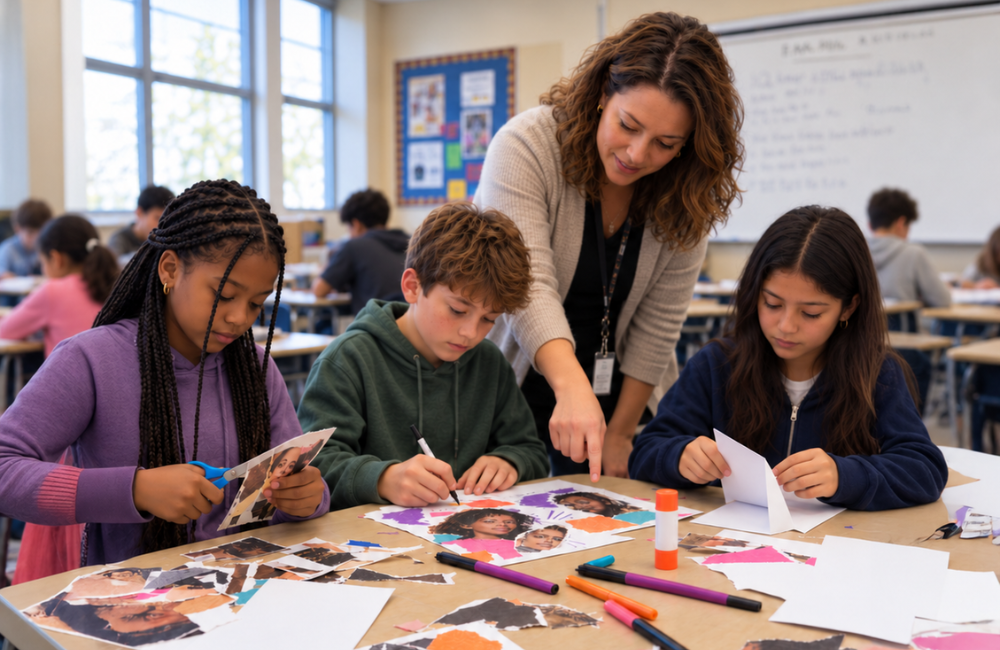
Got something important to say? The Youth Safety and Equity Info-Zines project invites teens, school clubs, adult allies, and organizations to turn facts about healthy relationships, personal safety, student rights, and equity into creative zines that can make a real difference.
Some topics are too important to be buried in a school policy manual.
Consent. Healthy relationships. Sexual harassment. Dress codes. LGBTQ+ inclusion. Online harm. School employee misconduct. Student rights. Dating violence. Young people are already talking about these issues—and they deserve information that feels clear, relevant, and easy to share.
That’s the idea behind Stop Sexual Assault in Schools’ (SSAIS) Youth Safety and Equity Info-Zines project.
The project invites youth ages 12 and older, college students, school clubs, teachers, librarians, counselors, community and national organizations, and adult allies to transform reliable information into original zines. Make one by hand, design one in Canva, photocopy it for your school or library, for one-to-one distribution, or submit it to be shared in the SSAIS website gallery. No professional design skills required. Just curiosity, creativity, and something worth saying.
First, What Exactly Is a Zine?
A zine—pronounced “zeen”—is a small, independently created publication. Think of it as part mini-magazine, part art project, and part conversation starter.
Zines can include:
- Illustrations
- Collage
- Facts and definitions
- Personal reflections
- Helpful resources
- Questions to think about
- Ideas for taking action
They can be funny, bold, serious, colorful, minimalist, or all of the above. They can also make complicated subjects feel more approachable, especially when the information comes from one young person to another.
A zine doesn’t need to look perfect. It needs to communicate.
Meet SSAIS
Stop Sexual Assault in Schools is a U.S. nonprofit focused on helping students, families, and educators prevent and address sexual harassment and assault in K–12 schools.
SSAIS creates free resources on consent, school safety, student rights, supportive measures for students experiencing harm, reporting, advocacy, and educational equity. Its materials are developed to help young people and the adults supporting them better understand what sexual harassment can look like, what schools should be doing, and how everyone can speak up for change.
Many of the organization’s resources focus on Title IX, the U.S. civil rights law that protects students from sex-based discrimination in federally funded schools.
For parents and teens who want to better understand student protections, SSAIS also offers Dear Students: Do You Know Your Rights Against Sex-Based Harassment?, a resource to help start conversations about students’ rights and protections against sex-based harassment at school.
Outside the United States? Many of the resources about consent, relationships, inclusion, peer education, and advocacy are useful, but local laws and school policies may be different.
Why These Conversations Matter Now
The recent allegations involving seven Cornell University fraternity members, widely referred to as the Cornell 7 case, have reignited national conversations about consent, sexual assault, campus culture, and institutional accountability.
A former Cornell student has filed a civil lawsuit alleging she was drugged and sexually assaulted by fraternity members. The allegations have prompted renewed investigations and scrutiny of how universities respond to reports of sexual violence.
But these conversations shouldn’t begin when students arrive at college.
Understanding consent, recognizing harmful behavior, challenging misogyny, and knowing when and how to seek help are lessons young people need long before graduation.
That’s where projects like SSAIS Youth Safety and Equity Info-Zines can make a difference. By giving young people accessible, reliable information—and encouraging them to share it creatively with their peers—the project helps open conversations that might otherwise never happen.
 Choose a Topic That Matters to You
The Info-Zines project covers a wide range of topics related to safety, equity and student well-being.
You might create a zine about:
- What consent actually looks and sounds like
- How to recognize unhealthy dating behaviour
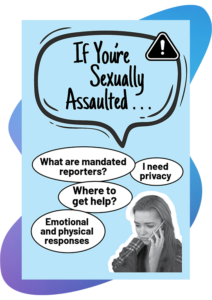
- What is sextortion and where to get help
- Understanding alcohol and date rape drugs
- Why sexual harassment affects the whole school community
- How harassment can affect students with disabilities
- Supporting LGBTQ+ students
- Sexual harassment and students of color
- The impact of unfair school dress codes
- How victim blaming causes harm
- What happens after a student reports harassment
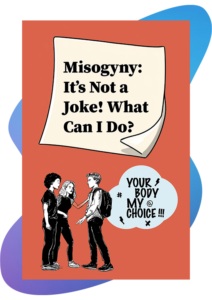
- Misogyny and Male Supremacy
- Creating Misogyny-Free Schools
- How students and families can advocate for change
You don’t have to explain everything in one zine. In fact, choosing one clear topic usually makes the final project more useful.
Think: What do I wish more people my age understood?
That’s probably a good place to begin.
What You’ll Need
 A basic handmade zine can be created with:
- One or more sheets of 8½-by-11-inch paper
- A black pen or fine-point marker
- A stapler for multi-page zines
- Optional colored paper or collage materials
- A phone camera or scanner
Prefer to work digitally? Canva offers zine templates that can help you get started.
Since zines may be photocopied, make sure the words and images will still be readable in black and white. Mini-zines, half-page zines and quarter-page designs are all welcome.
How to Create Your Info-Zine
 1. Pick your topic
Explore the SSAIS toolkits and factsheets provided on the zine homepage. Choose something you care about or think your peers need to know.
2. Find the key message
Pull out the most useful facts, definitions, rights, warning signs or action steps. Keep your focus narrow enough that readers can quickly understand the point. You can also create a scenario that illustrates the information you want to convey.
3. Make the information your own
Rewrite the material using clear, age-appropriate language while keeping the original meaning accurate.
Use short sections, strong headings, and visuals to break up the information.
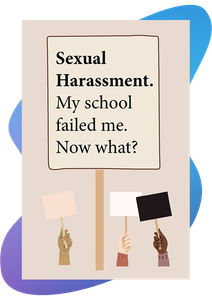 4. Get creative
Draw. Doodle. Collage. Add speech bubbles, mini-comics, checklists, quotes, or questions.
Your zine can look polished or homemade. Both work.
5. Have someone review it
Ask a trusted adult, teacher, librarian, counsellor or knowledgeable advisor to check that the information is accurate and handled sensitively.
That person should support your voice—not take over the project.
6. Scan before you fold
Photograph or scan each page before folding or stapling your zine. This makes it easier to submit, print, and share.
If your zine is in colour, prepare a black-and-white version too.
7. Share it
Photocopy your zine and distribute it through a school club, library, youth centre, community event, and person-to person. Check the organization’s distribution policies first.
You can also submit your zine to SSAIS. Selected projects may be added to the online gallery, where other people can download and share them.
Creators of outstanding zines may receive prizes or special recognition. Authors may also choose to have their first name, club name, or organization logo included.
How Moms Can Get Involved
You don’t have to create a zine from scratch to make a difference. The SSAIS gallery offers ready-to-use zines that you can download, print, and share to help spark important conversations.
As a parent, there are plenty of ways to get involved. Read a zine with your teen and use it as a starting point for an open, age-appropriate discussion. Share resources with your child’s school, parent council, or local library. Encourage your teen to work with friends or a school club to raise awareness, or help organize a community conversation.
You can also help spread the word online. Create a short reel, write a blog post, or share how your family, school, or community used the zines and what conversations followed. SSAIS welcomes submissions of blogs and reels for potential publication, giving families another opportunity to amplify these important messages.
A Note for Parents and Adult Allies
Sometimes the most important thing we can do as parents is listen.
Whether you’re helping your teen create a zine, hosting a zine-making afternoon at home, or organizing an event at a school, library, or community space, remember that young people should lead the creative process. Your role is to encourage, support, and help create a space where they feel comfortable exploring important topics and expressing their ideas. SSAIS also provides a downloadable flyer to help engage participants.
Along with the nationally vetted fact sheets provided by the project, parents can help teens find reliable information and talk through questions about privacy, consent, and responsible sharing.
It’s especially important to remind young people that they never have to share personal experiences or identifying information to make their message meaningful. A powerful zine can educate, raise awareness, and inspire change without revealing anyone’s private story.
Because these conversations can touch on sensitive experiences, parents and adult allies should familiarize themselves with trusted school contacts and local support services before getting started. If a young person shares something personal or upsetting, listen without judgment, avoid pressing for details, and help them connect with appropriate support.
Zines can be powerful tools for education, advocacy, and starting conversations, but they are not substitutes for professional counselling, medical care, emergency assistance, or legal advice.
Your Voice Belongs in the Conversation
Important information doesn’t have to look like a textbook—or sound like it was written by a committee.
A folded piece of paper can challenge a harmful myth. It can help someone recognize harassment. It can show a student that they are not alone. It can give young people a way to speak to their peers in a voice that feels real.
Explore the SSAIS Info-Zines gallery, download a zine to share or choose a topic, and make your own.
Start with one sheet of paper. See where the conversation goes.
Safety note: If you face an immediate threat, contact local emergency services. Young people who have experienced sexual harassment or assault can also reach out to a trusted adult or an appropriate local crisis-support or sexual-assault service provider for confidential help. Make certain that young people understand that many adults are mandated reporters before they disclose any identifying information.
For any questions, please contact SSAIS.