Originally published March 30, 2010. Updated October 6, 2026, to reflect current guidance on how birth control pills affect hormones, side effects and health risks.
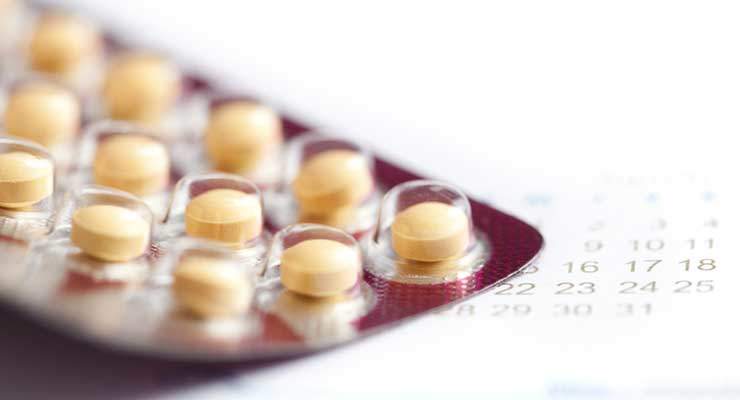
Birth control pills use hormones to prevent pregnancy, but they can also affect bleeding patterns, acne, menstrual symptoms and other hormone-related changes in the body.
Most combination birth control pills contain estrogen and progestin, while progestin-only pills contain no estrogen. The effects you experience can vary depending on the type of pill, the hormone dose and how your body responds.
For many people, side effects are mild and improve within the first few months. Others may need to try a different formulation or another form of contraception.
How Do Birth Control Pills Affect Hormones?
Combination birth control pills primarily work by preventing ovulation.
They also:
- Thicken cervical mucus, making it harder for sperm to reach an egg
- Thin the lining of the uterus
- Create more predictable hormone levels throughout the cycle
Rather than reproducing the hormonal state of pregnancy, birth control pills suppress the normal hormonal fluctuations that trigger ovulation.
Progestin-only pills work somewhat differently depending on the formulation, but they also alter cervical mucus and may suppress ovulation.
Can Birth Control Pills Make Periods More Regular?
Yes.
Combined birth control pills can make periods:
- More predictable
- Lighter
- Shorter
- Less painful
Some people use birth control pills continuously or on an extended schedule to reduce how often they have a period or to avoid scheduled bleeding altogether.
Combined hormonal birth control can also be used to manage heavy menstrual bleeding, painful periods and some symptoms of endometriosis.
Can Birth Control Pills Help With Acne?
They can.
Certain combined birth control pills can improve acne by changing the balance of hormones that contribute to excess oil production.
They may also reduce unwanted hair growth in some people.
Combined hormonal birth control is commonly used to help manage acne and excess hair growth associated with polycystic ovary syndrome, or PCOS.
How Do Birth Control Pills Affect PCOS?
Birth control pills do not cure PCOS, but combined hormonal pills are often used to manage its symptoms.
They can help:
- Regulate menstrual bleeding
- Reduce acne
- Reduce new unwanted hair growth
- Protect the lining of the uterus when periods are infrequent
The appropriate treatment depends on your symptoms, health history and whether you are trying to become pregnant.
What Hormonal Side Effects Can Birth Control Pills Cause?
Possible side effects of combined birth control pills include:
- Nausea
- Headaches
- Breast tenderness
- Spotting or breakthrough bleeding
These effects are often mild and may improve after the first few months.
Some people also report changes in mood or libido while taking hormonal contraception. These experiences vary considerably, so a change in symptoms is worth discussing with a healthcare provider rather than assuming it is normal or unavoidable.
Do Birth Control Pills Cause Weight Gain?
Significant weight gain is not considered a typical side effect of most birth control pills.
Some people may notice temporary changes in appetite, bloating or fluid retention, but research has not shown consistent substantial weight gain from combined oral contraceptives.
If you notice a significant or persistent change in weight after starting a pill, talk with your healthcare provider about possible causes and whether another contraceptive may suit you better.
What Are the More Serious Risks?
For most healthy people, birth control pills are considered safe. However, combination pills containing estrogen are associated with a small increased risk of serious cardiovascular complications, including:
- Blood clots
- Stroke
- Heart attack
The risk is higher for some people, including those who smoke and are over age 35, have high blood pressure, have a history of blood clots or stroke, or experience migraines with aura.
Blood pressure should generally be checked before starting a combined hormonal contraceptive because these methods may not be appropriate for people with hypertension.
Progestin-only pills do not carry the same estrogen-related risk of blood clots and may be an option for some people who cannot use estrogen-containing contraception.
What If You Don’t Feel Like Yourself on the Pill?
Side effects can vary substantially between different birth control pills.
A formulation that works well for one person may cause troublesome symptoms for another. Changing the hormone dose or type of progestin—or switching to a different contraceptive method—may help.
Do not stop a birth control pill without considering whether you need another contraceptive method to prevent pregnancy.
If you are experiencing significant mood changes, persistent headaches, abnormal bleeding or other concerning symptoms, contact your healthcare provider.
The Bottom Line
Birth control pills temporarily change your hormonal cycle to prevent pregnancy, but those hormonal effects can also influence periods, acne and other menstrual symptoms.
Many people experience benefits such as lighter periods and fewer cramps, while others experience side effects that make a different formulation or contraceptive method a better fit.
The right choice depends on your symptoms, medical history and how your body responds to the hormones.