
Originally published March 30, 2010. Updated October 7, 2026, to reflect current evidence on home remedies, topical treatments and professional options for stretch marks.
Stretch marks are extremely common. They can appear during pregnancy, puberty, rapid weight gain or loss, and periods of fast muscle growth.
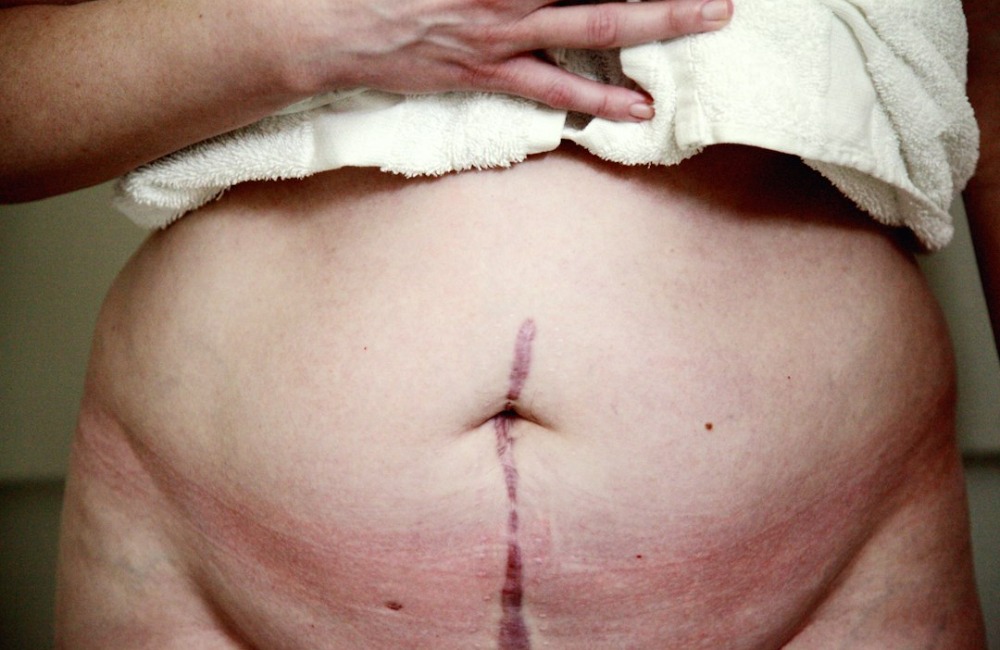
At first, stretch marks may look red, pink, purple, reddish-brown or dark brown, depending on your skin tone. Over time, they usually fade and become less noticeable.
While countless oils, creams and homemade remedies promise to erase stretch marks, most have not been shown to work. Stretch marks are a type of scar, and no home treatment can reliably make them disappear completely.
Do Home Remedies Remove Stretch Marks?
Unfortunately, most popular home remedies have little evidence to back them up.
The American Academy of Dermatology reports that studies of common remedies such as olive oil, almond oil, cocoa butter and vitamin E found that they did not make stretch marks fade.
Mayo Clinic similarly notes that creams, oils and lotions marketed for stretch marks probably will not help much, although they are generally harmless.
That does not mean moisturizing is useless. A good moisturizer can help dry or itchy skin feel more comfortable, but you shouldn’t expect it to remove stretch marks.
What About Vitamin E?
Vitamin E is commonly recommended for scars and stretch marks, but little evidence shows that applying vitamin E oil makes stretch marks fade.
If you enjoy using a moisturizer containing vitamin E and it does not irritate your skin, it can still help keep skin soft and hydrated. Just do not expect it to erase existing stretch marks.
Does Olive Oil Help Stretch Marks?
Olive oil is another popular home remedy.
It can moisturize the skin, but studies have not shown that massaging olive oil into stretch marks makes them disappear or significantly improves their appearance.
Massage itself may make skin feel more comfortable, but there is no good evidence that increasing circulation through massage removes stretch marks.
Does Cocoa Butter Work?
Cocoa butter is probably one of the best-known stretch-mark remedies.
However, research has not shown that cocoa butter prevents or removes stretch marks.
It can still be a useful moisturizer, particularly if your skin feels dry or itchy during pregnancy or periods of rapid growth.
What About Essential Oils?
Essential oils such as lavender are often promoted as natural stretch-mark treatments, but there is not strong evidence that they fade stretch marks.
Essential oils can also irritate sensitive skin, especially when applied undiluted.
If you choose to use an essential oil, dilute it properly in a carrier oil and stop using it if you develop redness, itching or irritation.
If you are pregnant or breastfeeding, check with your healthcare provider before using essential oils or other alternative products on your skin.
Are There Any Topical Treatments That May Help?
Some evidence suggests hyaluronic acid may make early stretch marks less noticeable when applied consistently.
Prescription tretinoin, a retinoid, may also improve newer stretch marks by helping stimulate collagen production. It appears to work best on stretch marks that are only a few months old.
However, retinoids should not be used during pregnancy, and anyone who is pregnant or breastfeeding should speak with a healthcare provider before using them.
Do Stretch Marks Fade on Their Own?
Yes, often.
New stretch marks tend to be more noticeable because of their red, purple or darker coloration. Over time, they usually become lighter and less prominent.
They may not disappear completely, but many people find that their appearance changes significantly with time.
What Professional Treatments Can Help?
If stretch marks continue to bother you, a dermatologist may recommend treatments such as:
- Laser or light therapy
- Microneedling
- Microdermabrasion
- Chemical peels
- Radiofrequency treatments
These treatments cannot completely remove stretch marks, but they may make them less noticeable by improving skin texture or stimulating collagen production.
The best option depends on your skin tone, how old the stretch marks are and your expectations.
What About Stretch Marks on Darker Skin?
Stretch marks can look different depending on skin tone, and some cosmetic treatments carry a higher risk of pigmentation changes.
Mayo Clinic notes that microneedling may have a lower risk of skin-colour changes than laser therapy, making it a treatment a dermatologist may consider for people with darker skin.
A dermatologist experienced in treating a range of skin tones can help you choose the safest option.
The Bottom Line
No proven home remedy completely removes stretch marks.
Popular treatments such as cocoa butter, vitamin E, olive oil and almond oil can moisturize your skin, but studies have not shown that they reliably fade stretch marks.
Stretch marks usually become less noticeable with time. If you want to treat them, newer marks may respond to options such as hyaluronic acid or prescription tretinoin, while professional treatments such as microneedling or laser therapy may improve their appearance.
If you are pregnant or breastfeeding, talk with your healthcare provider before using retinoids, essential oils or other stretch-mark treatments.