

Chronic kidney disease (CKD) in dogs is a progressive and slow disease. The loss of ability to filter waste in kidneys gradually leads to the accumulation of toxins in the body. The early diagnosis and regular treatment of the disease are very important to prolong the life of the patient and delay its progression.
At first, dogs typically exhibit very subtle signs of the disease: increased thirst, urination, apparent fatigue, or less desire for food. It is thus the observance of these subtle signals that first leads the way to effective management of CKD in dogs.
Furthermore, early intervention results in the preservation of kidney function and the continued liveliness of your canine companion.
At WAUF, we love helping dog owners understand important health topics, like CKD, so they can give their pets the best care possible.
Nutrition: Dietary Therapy for CKD
The primary role of the diet in CKD management is irreplaceable. The dietary treatment in chronic kidney disease is aimed at reducing the work of the kidneys whilst maintaining the energy and strength of the dog.
Here are the key points to remember:
- Administer high-quality protein in moderate amounts.
- Restrict phosphorus and sodium intake.
- Offer less amount of food more often for better digestion.
Water is essential in life; therefore, always provide fresh water to the dogs. Proper diet can keep dogs’ energy levels high, reduce feelings of sickness, and even prolong the life of dogs suffering from chronic renal failure.
Diet is a key factor in kidney health, but not the only one in the overall treatment. The disease management done right through professional clinical care will allow the sickness to be monitored all the time. Because of this, effective treatment can be carried out to cope with CKD in dogs.
Clinical Approaches in Managing CKD

Medical techniques are absolutely necessary for the successful management of CKD. The clinical methods are directed towards slowing down the disease, controlling the complications, and maintaining the overall kidney function.
The main clinical strategies are:
- Blood and urine tests on a regular basis for monitoring kidney function.
- Medications for the treatment of proteinuria, blood pressure control, and other problems
- Anemia or electrolyte imbalances are treated as required.
- Individualized treatment plans designed for your dog according to the CKD stage they are in.
Understanding these clinical strategies is important for effective care. Veterinarians and vet techs can learn more through specialized educational sessions to stay up to date. The CKD management webinar for veterinarians covers dietary protocols, monitoring, and treatment tips.
Collaboration of a pet owner with a veterinarian guarantees that clinical decisions are made considering the particular needs of the dog. The integration of clinical methods with nutrition results in a more holistic care strategy.
Managing protein loss is essential for protecting the kidney health of dogs, along with nutrition and clinical care. Moving forward, we will discuss this in detail.
Controlling Protein Loss
Proteinuria, or excess protein in urine, is common in CKD and accelerates kidney damage if untreated. Diet adjustments combined with medical interventions help manage this condition. Understanding protein loss management is an essential skill for professionals pursuing veterinary jobs, ensuring they provide comprehensive care for canine patients.
It is very important to control protein loss; however, CKD influences not only the kidneys but also the whole body. Therefore, a comprehensive strategy is necessary for your dog’s health and happiness.
Supporting the Overall Health of Dogs with CKD

Apart from the diet and medical treatment, some basic everyday practices can significantly aid dogs suffering from CKD. Regular schedules can support their wellness, ease, and vitality.
Here are the key habits you should adopt:
- Feeding at the same hours every day
- Offering clean water all the time
- Watching for changes in behavior as an early warning signal
- Making the environment less stressful for them
- Providing very mild exercises according to their energy levels
Although daily habits are crucial, professional advice is equally important. Keeping a routine with the vet allows you to notice the slight alterations in your dog’s health and to act before they turn into an issue.
How do the veterinarians monitor changes and manage record-keeping? Veterinary cloud-based software for SOAP notes is increasingly being adopted by veterinarians to monitor kidney function, behavior, and overall wellness.
By having all the records in one place, it is also easier to see changes. Vets can make quick adjustments to care plans if there is precise monitoring, leading to better patient outcomes.
Now that we’ve discussed the management of CKD in detail, let’s wrap things up with the final thoughts.
Stages of CKD in Dogs
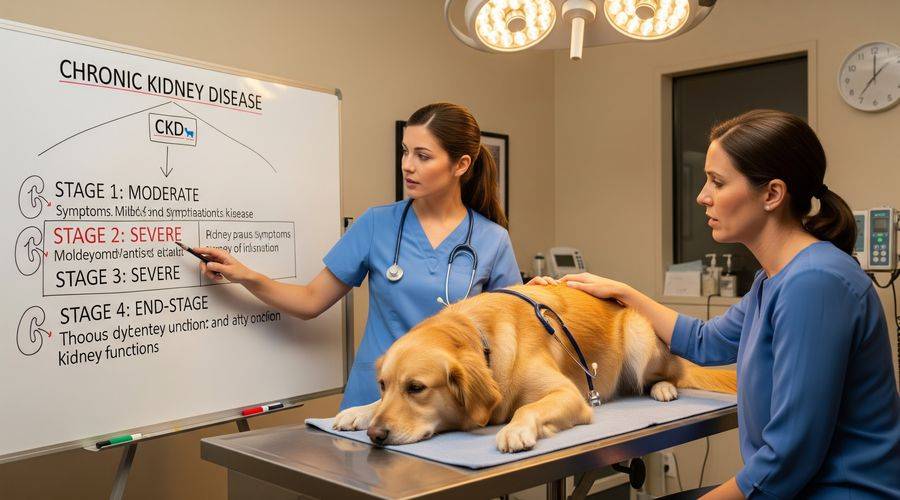
Veterinarians classify CKD into stages using the IRIS system:
- Stage 1: Minor kidney changes, no symptoms
- Stage 2: Early signs like increased thirst or reduced appetite
- Stage 3: Significant kidney failure, lethargy, and weight loss
- Stage 4: Advanced kidney failure requiring intensive care
Early-stage detection allows for dietary and medical intervention that can significantly improve quality of life and slow progression.
Final Thoughts
The management of chronic kidney disease (CKD) in dogs involves more than just adherence to diet and medications. It is about creating a lifestyle that gives comfort and joy to furry little companions as a top priority.
Remember, CKD may be chronic, but it doesn’t have to determine how your dog spends each day. With proactive care, every day can still be full of energy, involvement, and friendship.