
Search Results for: grow tent
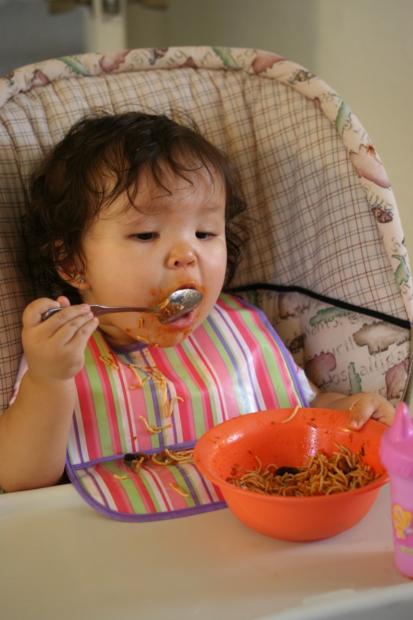
7-10 Month Infant Healthy Foods
Nutrition plays an important role in an infant’s development. The early stages of the baby’s development are critical to her growth and health. Babies are susceptible to infections and illnesses that are preventable with proper nutrition. Therefore, parents should prepare meals that consist of nutritious foods and provide a well-balanced diet that can help their babies grow healthy and strong. According to the American Academy of Pediatrics, parents can start introducing solid foods when a baby reaches the age of 6 to 8 months, with more varieties given through 10 months and onward.

About Breast Enhancement Cream
Breast enhancement creams are an alternative to getting breast enlargement or lifting surgery. These creams claim to do everything a surgeon can, but what they are, what is in them, how to use them and what they really do can be hard to figure out. Before you make a potentially expensive investment, use this information to help you decide if a cream is worth your while.
Signs of Tubular Pregnancy
A tubular pregnancy (also known as a tubal pregnancy or, more commonly, an ectopic pregnancy) occurs in about one out of every 50 pregnancies. The literal meaning of the word ectopic–out-of-place–explains how a tubular pregnancy differs from the norm. While in a typical, healthy pregnancy, a fertilized egg implants in the uterus after traveling through the fallopian tube, in a tubular pregnancy, the egg implants outside of the uterus. If the signs of a tubular pregnancy are overlooked, a woman’s health and future fertility can be at risk.
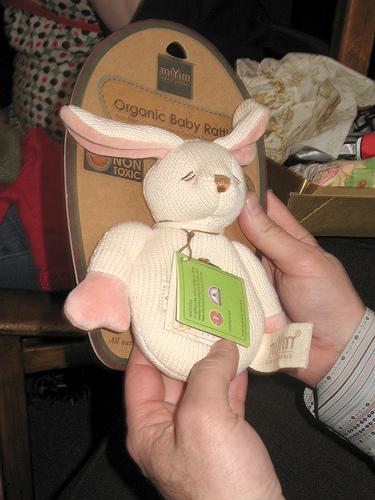
Organic Baby Gift Ideas
Babies are born pure, so why do conventional baby products contain chemicals and synthetic pesticide residues? When looking for baby gifts, buy organic. Organic baby items are made from natural materials and ingredients and don’t contain potentially hazardous chemicals like biphenyl-A (BPA), phthalates, polyvinyl chloride (PVC) or are grown using genetic modification. Moms will love the peace of mind and babies will appreciate the softness and sensitivity that comes with organically grown products.

How Does Parental Drinking Contribute to Teen Alcoholism?
Can a parent’s drinking habits increase the risk of alcoholism for a teenager? According to the National Institutes of Health, a family history of alcoholism is a major risk factor for problem drinking. In addition, some studies have found that certain genes passed from parents to children increase the risk for alcoholism. Many other factors play a part in teenage drinking, including peer pressure and stress. Still, it seems clear that parent’s drinking habits influence how their children use or misuse alcohol.