
Search Results for: helps develop
Keeping Heart Healthy
Heart disease is the number one cause of death in women. Yet most people picture middle-aged men when they hear about heart disease. While some risk factors for heart disease cannot be changed, simple lifestyle changes will allow a woman to keep her heart healthy. A healthy heart is only one benefit women will experience by making healthy lifestyle choices. A lower risk of other health conditions and lower numbers on the scale may also result from these changes.
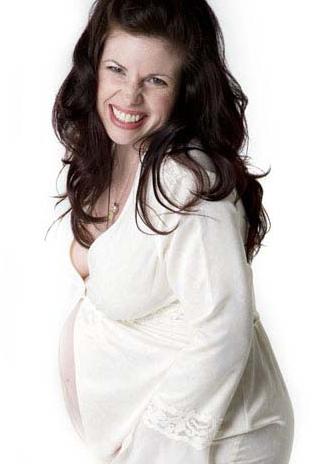
Interesting Facts About Pregnancy
Pregnancy is a fascinating process; from a tiny egg and a tiny sperm, a baby grows and develops within your body. Sometimes we get so caught up in the outward symptoms we experience that we forget what an amazing process it is.
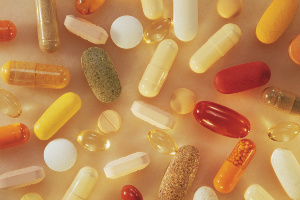
Which Vitamins Do Women Need?
Considering their fast-paced lifestyles, women are not always able to get the vitamins, minerals and other essential nutrients they need. According to a report published in the American Journal of Medicine, many American women are not eating the basic five to seven servings of fresh fruits and vegetables that they need to fulfill the daily requirements of calcium, magnesium and vitamins D and K.
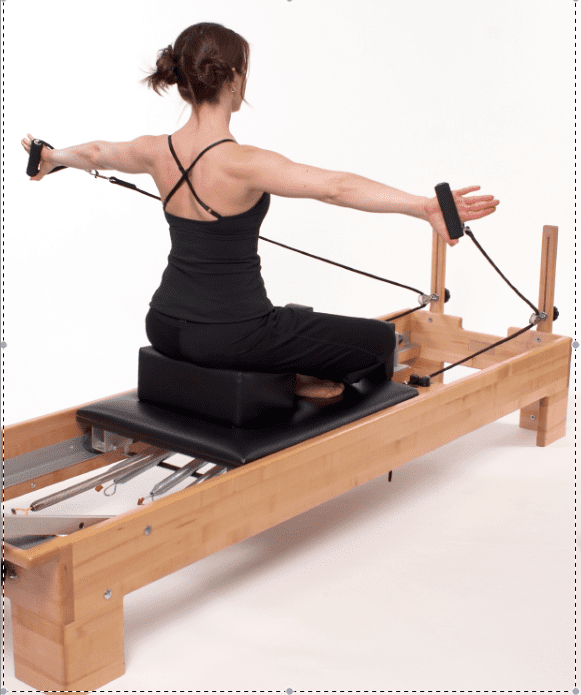
Benefits of Pilates Exercises
The Pilates Method Alliance (PMA), a not-for-profit professional organization for Pilates, points out that more Americans are practicing Pilates as a way to condition their bodies and improve their physiques. Pilates, a low-impact exercise program appropriate for women of all ages and fitness levels, involves a succession of smooth movements, which integrate both stretching and breathing exercises. Developing a pattern of slow, deliberate movements along with controlled breathing increases blood flow to the muscles providing a number of fitness benefits.
When to Feed a Baby Solid Foods
Babies reach many milestones in the first year of life, and starting solid food is exciting for many parents. But how do you know when your baby is ready for solid foods? Age is only one factor in a baby’s readiness for solids. Other physical signs of readiness should be present before introducing solid foods. Remember that each baby develops at a different rate, so there is no set time when every baby is ready.