
Search Results for: muscular
What Is Normal Body Fat Percentage for Women?
Adipose tissue, or fat, is essential for the body to function properly. According to the American Council on Exercise, women need a body fat percentage of 10 to 12 percent for the tissue to adequately protect the body, regulate temperature, provide insulation, produce sex hormones and supply enough fuel to carry out activities. Dangers arise when the body stores too much fat. The American Heart Association states that a higher body fat percentage can lead to greater risks for developing diabetes, strokes, gallstones, high blood pressure, cholesterol and heart disease, even among women categorized in the “normal” range for weight and body mass index (BMI). A study released in the American Journal of Clinical Nutrition found that levels of inflammation, which indicates a future risk for obesity, heart disease and metabolic disorders, correlated with a woman’s percentage of body fat and not with body weight or BMI.
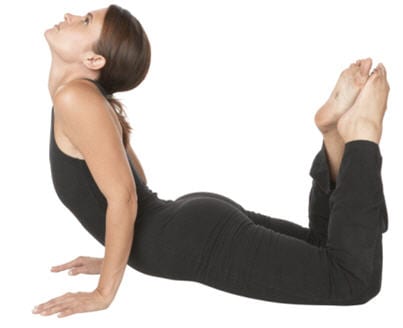
How Many Calories Are Burned With Yoga?
As you delve deeper into your yoga practice, probably the most important things you will learn are being present in the moment, focusing on your breath, and going farther while finding comfort in each asana (pose). Calorie-counting may be the last thing on your mind. But if you practice yoga as part of a health plan to help you lose weight, how much does each yoga session contribute to your efforts?
Could My Botox Treatments Kill Me?
Dear Dr. Wu, I am a mom who loves her Botox injections but I recently read that a study found that some 17 Botox users died as a result of using the drug. Is this true? What are the details? They give Botox shots at my salon …
GREAT EXPECTATIONS FOR ONLY CHILDREN: How Pressure to be Perfect Can Backfire
Families are getting smaller, and have been since the early 1960s, giving parents more time to devote to each child. As a result, parents today all seem to be pushing for star progeny. Children would benefit if parents could temper their dreams. With parents of only children, the tendency …