
Search Results for: sessions
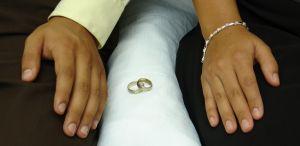
Skills for Couples Therapy
If your marriage isn’t what you want it to be and you are trying couples therapy, then there are some skills that you should know to make the experience more productive. These skills will make it easier for both you and your spouse to connect to what you are learning and to each other. Here are these skills and how to use them in your next therapy visit.

What Questions Do Marriage Counselors Ask?
Going to a marriage counselor can be intimidating, even frightening, if you don’t know what to expect. From fear of exposing your deepest secrets to uncertainty about how to speak freely in front of your spouse, anxiety can build simply because the process is new and unfamiliar. Getting an idea of what kind of questions might come up during a counseling session can help you relax and be ready to share.
Information on Marriage & Family Counselors
Marriage and family counselors are also called marriage and family therapists. They train in diverse methods of psychotherapy and have a minimum of two years of clinical experience. A licensed marriage and family counselor diagnoses and treats problems that arise within the context of romantic relationships or family systems.

5 Benefits of the Human Touch
If you have ever used a human touch massage chair, you know that it’s not even close to the real thing. There is something unquestionably powerful about the human touch. It’s not just about feeling skin against skin. The healing and comforting powers of the human touch have been known to humans for a long time. Many cultures have explored and used these mysterious powers to treat, heal and soothe for generations. Today the powers and benefits of the human touch are acknowledged by advocates of modern science as well. This article lists the various benefits of the human touch, as an effective measure that facilitates well-being, a catalyst in healing or recovery and as a technique that helps strengthen one’s mind, body and relationships.

How Does Parental Drinking Contribute to Teen Alcoholism?
Can a parent’s drinking habits increase the risk of alcoholism for a teenager? According to the National Institutes of Health, a family history of alcoholism is a major risk factor for problem drinking. In addition, some studies have found that certain genes passed from parents to children increase the risk for alcoholism. Many other factors play a part in teenage drinking, including peer pressure and stress. Still, it seems clear that parent’s drinking habits influence how their children use or misuse alcohol.