Why the Goal of Exercise Matters More Than You Think
The goal of exercise isn’t just about fitting into your favorite jeans — it’s about feeling strong, clear-headed, and fully present for the life you’re actually living.
Here’s a quick look at the 7 core benefits of regular exercise:
- Mental clarity and stress relief – reduces anxiety and sharpens focus
- Heart health and disease prevention – lowers blood pressure and cholesterol
- Sustainable weight management and energy – boosts metabolism and daily stamina
- Stronger bones and longevity – protects against osteoporosis and muscle loss
- Better sleep and improved intimacy – supports deeper rest and sexual health
- Social connection and fun – builds community and makes movement enjoyable
- Modeling healthy habits for your kids – sets the foundation for a lifetime of wellness
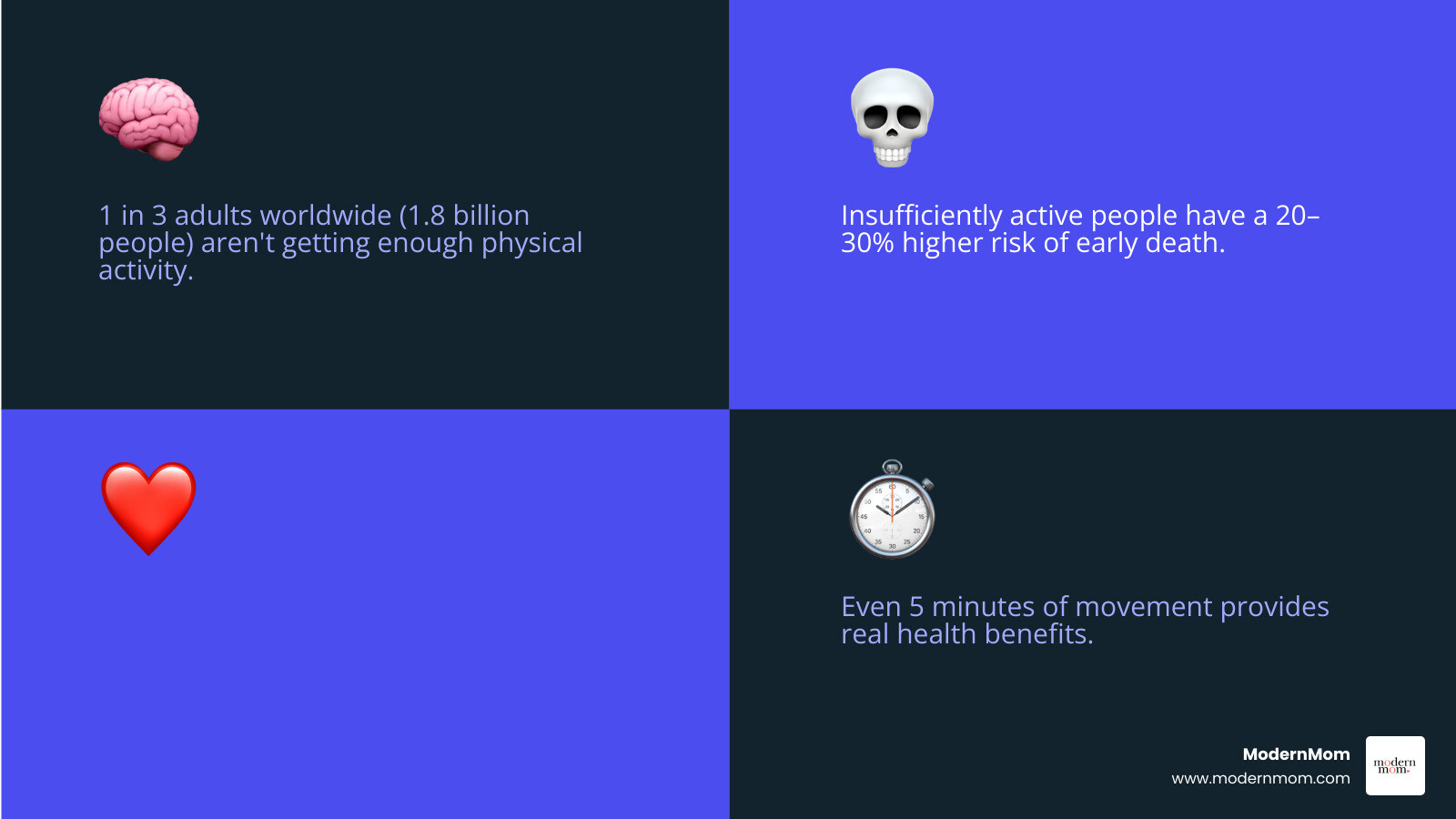
The numbers are hard to ignore. According to the World Health Organization, nearly 1 in 3 adults worldwide — 1.8 billion people — aren’t getting enough physical activity. And people who are insufficiently active have a 20–30% higher risk of early death compared to those who move regularly.
The good news? You don’t need to overhaul your life overnight. Studies show that even small amounts of movement — as little as 5 minutes — provide real health benefits. And if you can work up to 150 minutes of moderate activity per week (that’s just 22 minutes a day), you unlock significant protection against heart disease, diabetes, certain cancers, and more.
As a digital strategist and small business owner who understands the constant juggle of work, family, and personal well-being, Renee Kemper brings a grounded, practical lens to the goal of exercise — because advice that works in the real world matters most. Read on for 7 benefits that just might be the nudge you need to lace up those sneakers.
Defining the Ultimate Goal of Exercise for Busy Moms
When we talk about the goal of exercise, many of us immediately think of a number on a scale. But for the modern mom, the ultimate goal is often much deeper: it’s about reclaiming our vitality. We live in a world where sedentary behavior is the norm. Research shows that 31% of adults and a staggering 80% of adolescents do not meet recommended physical activity levels. This inactivity isn’t just a personal hurdle; it’s a global health crisis, costing public healthcare systems an estimated $27 billion per year.
As moms, we often find ourselves stuck in “survival mode,” where our own health takes a backseat to everyone else’s needs. However, the Benefits of Physical Activity extend far beyond aesthetics. When we prioritize movement, we are actively engaging in disease prevention. Regular activity helps manage blood glucose and insulin levels, which is crucial for preventing type 2 diabetes and metabolic syndrome.
By shifting our focus from “losing weight” to “living better,” we create a more sustainable relationship with fitness. We aren’t just working out to change how we look; we are working out to change how we feel and function. If you’re looking for more inspiration on how to elevate your lifestyle, check out these Four Ways to Promote a Happier and Healthier Life.
1. Mental Clarity and “Momxiety” Relief
Have you ever felt that overwhelming “mom fog” or the buzzing tension we like to call “Momxiety”? One of the most immediate clarity of goals we can achieve through movement is mental peace. When we exercise, our bodies release chemicals like endorphins and proteins that improve the very structure and function of our brains.
According to research, some benefits for brain health happen right after a single session of moderate-to-vigorous activity. For us adults, this means a quick reduction in short-term feelings of anxiety. Over the long term, staying active helps keep our thinking, learning, and judgment skills sharp as we age. In fact, exercise is a powerful tool for Working Out to Stay Sharp, potentially reducing the risk of Alzheimer’s and other forms of dementia.
If you’re having a particularly high-stress day, don’t underestimate the power of a 10-minute brisk walk. It’s one of the best Stress Relief Activities available to us—and it’s completely free. It’s not about training for a marathon; it’s about giving your brain the “reset” button it deserves.
2. Heart Health and Disease Prevention
Our hearts are the engines of our families, and they need a good tune-up regularly. Cardiovascular disease and stroke remain leading causes of death, but the goal of exercise provides a formidable defense. Being active boosts our “good” HDL cholesterol and decreases unhealthy triglycerides, which keeps our blood flowing smoothly and reduces the risk of cardiovascular “plaques.”

The statistics are empowering: an estimated 110,000 deaths per year could be prevented if U.S. adults ages 40 and older increased their moderate-to-vigorous physical activity by even just 10 minutes a day. Furthermore, adults who meet both aerobic and muscle-strengthening guidelines are about half as likely to die from infectious diseases like the flu and pneumonia.
Regular movement also lowers blood pressure and improves overall cardiorespiratory fitness. Whether you’re chasing toddlers or running a business, a strong heart means you have the stamina to keep up with life’s demands. For a deeper dive into these life-saving perks, explore the Health Benefits of Exercise and Physical Activity.
3. Sustainable Weight Management and Energy
We’ve all been there: feeling too tired to exercise, but knowing that exercise is exactly what gives us more energy. It feels like a “Catch-22,” but the science is clear. Regular physical activity improves muscle strength and boosts endurance. It delivers oxygen and nutrients to our tissues and helps our cardiovascular system work more efficiently. When our heart and lung health improves, we have more energy to tackle daily chores—like the never-ending mountain of laundry!
Regarding weight, it’s important to be realistic. Exercise without dietary changes typically has a modest effect (about 2% to 6%) on short-term weight loss. However, it is the gold standard for weight maintenance. To keep weight off, we often need a higher volume of activity—up to 300 minutes of moderate activity per week.
| Activity Type | Intensity Level | Examples |
|---|---|---|
| Aerobic | Moderate | Brisk walking, water aerobics, ballroom dancing |
| Aerobic | Vigorous | Running, swimming laps, aerobic dancing |
| Strength | Moderate to High | Lifting weights, resistance bands, heavy gardening |
Your body is a work in progress, and there is beauty in that journey. Understanding What a Wabi Sabi Body Is and Why You Want It can help you embrace your physical self while you work toward your health goals.
4. Bone Strength and Longevity
As women, we need to be particularly mindful of our bone health. Osteoporosis is a silent risk, but the goal of exercise includes building a “bone bank” that protects us as we age. Weight-bearing exercises—like walking, hiking, or dancing—and resistance training are essential. They force us to work against gravity, which stimulates bone remodeling and increases bone density.
Strength training isn’t just about “bulking up” (which is actually quite hard for most women to do!). It’s about supporting our joints and preventing injuries. Experts suggest doing strength exercises for all major muscle groups at least two times a week. You don’t need hours in the gym; completing one set of 12 to 15 repetitions with a weight that tires your muscles is often enough to see benefits.
For more specialized advice on keeping your frame strong, check out the resources on Exercise and Bone Health. Strong muscles and bones mean we can stay independent and active well into our golden years.
5. Better Sleep and Improved Intimacy
Are you struggling to catch enough Z’s? You aren’t alone. Fortunately, regular physical activity can help you fall asleep faster, get better quality sleep, and deepen your rest. Just be careful not to exercise too close to bedtime, as the energy boost might keep you awake! By regulating our circadian rhythm, exercise ensures our bodies know when it’s time to perform and when it’s time to recover.
Perhaps the most surprising “hidden” goal of exercise is the spark it can put back into your sex life. For women, regular activity can enhance arousal. For men, it can reduce the risk of erectile dysfunction. Beyond the physiological, exercise gives us more confidence in our physical appearance and higher energy levels, both of which are major pluses for intimacy.
When we feel strong and capable in our bodies, that power translates to every area of our lives. As we often say at ModernMom, You Are More Powerful Than You Think, and exercise is a great way to tap into that inner strength.
6. Social Connection and Fun
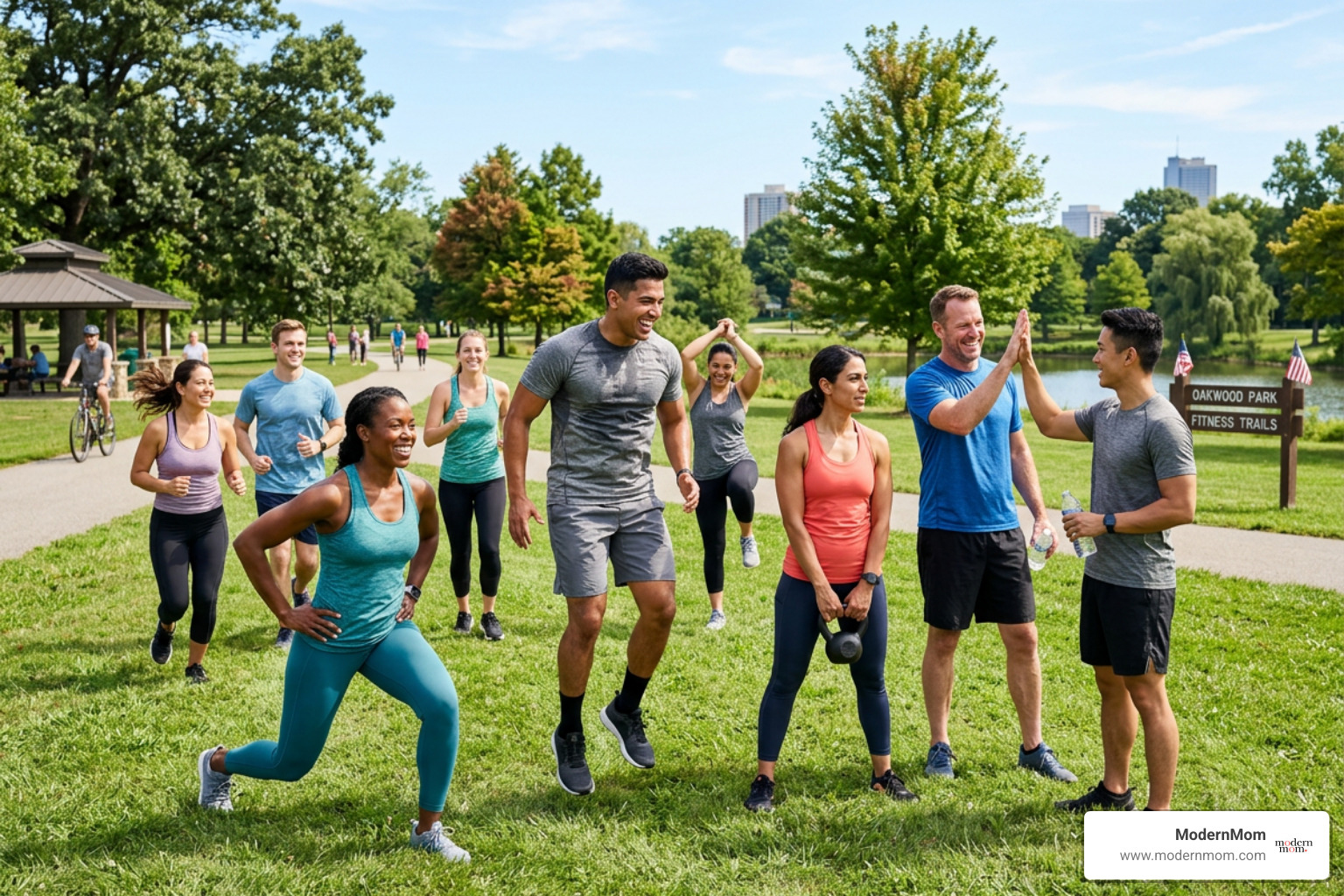
Exercise doesn’t have to be a lonely slog on a treadmill. In fact, one of the best ways to make it stick is to make it social. Whether it’s a local “Mommy and Me” yoga class, a hiking club, or a neighborhood walking group, community makes movement fun.
We can also look for ways to “exercise for good.” Some programs allow volunteers to take shelter dogs for runs, while others organize community litter pick-ups during hikes. Research suggests that the more we enjoy a workout, the more likely we are to do it again. By combining movement with social connection or volunteering, we get a “double boost” of happiness.
If you’re feeling isolated, a group fitness class can provide a vital sense of belonging. Don’t be afraid to be the one who says “hello” first—chances are, the mom next to you is looking for a connection too.
7. Setting a Healthy Example for Kids
Our children are watching us. With 81% of adolescents currently failing to meet physical activity guidelines, our role as healthy role models is more important than ever. When our kids see us prioritizing our health, they learn that movement is a natural, enjoyable part of life—not a chore or a punishment.
Family fitness can be simple. It could be a weekend bike ride, a game of tag in the yard, or even jumping on a Jumpsmart Trampoline together. These moments build their bone density and motor skills while creating lasting family memories.
For families navigating unique challenges, such as Returning from an Injury for a Teenager with Autism, exercise can be a vital part of the healing and developmental process. By making the goal of exercise a family affair, we ensure the next generation grows up with the tools they need to stay well.
How to Start Your Journey Safely
If you’ve been sedentary for a while, the idea of starting can be daunting. The most important thing to remember is that some activity is better than none. You don’t need a fancy gym membership or expensive gear to begin.
Start with walking. It’s low-impact, accessible, and highly effective. You can even break your activity into 10-minute “chunks” throughout the day. Take the stairs, park further away at the grocery store, or have a “walking meeting” on the phone. The key is to build the habit first, then increase the intensity. For more tips on starting at any fitness level, read about staying active at any size.
Setting a Personal Goal of Exercise
To stay motivated, we recommend using SMART goals: Specific, Measurable, Achievable, Relevant, and Time-bound. Instead of saying “I want to get fit,” try “I will walk for 20 minutes, three days a week, for the next month.”
Tracking your progress is also a huge motivator. Whether you use a high-tech fitness tracker or a simple paper log, seeing your consistency on paper can give you a real sense of accomplishment. You can even check out these examples of goals for therapy to see how structured goal-setting can improve your mental and physical outcomes.
Adjusting the Goal of Exercise During Pregnancy
If you’re expecting, the goal of exercise shifts toward supporting your changing body and preparing for labor. Most women can safely continue exercising during pregnancy, but it’s essential to listen to your body and consult your healthcare provider.
Low-impact movements like swimming, prenatal yoga, and walking are fantastic choices. They can help reduce backaches, bloating, and swelling while improving your mood and energy levels. For a safe roadmap, check out our rules for a safe pregnancy workout.
Frequently Asked Questions about the Goal of Exercise
How much exercise do I really need each week?
For most healthy adults, the “sweet spot” is at least 150 minutes of moderate-intensity aerobic activity per week, plus muscle-strengthening activities on two or more days. If you prefer vigorous activity (like running), 75 minutes per week is the target.
Can I see benefits from just 10 minutes of activity?
Absolutely! Recent studies show that even 10 minutes of moderate-to-vigorous activity can make a difference. In fact, if every adult over 40 added just 10 minutes of walking to their day, we could prevent over 100,000 deaths annually. Every minute counts toward your cumulative health.
What is the best type of exercise for beginners?
Brisk walking is widely considered the best starting point. It requires no special equipment, is easy on the joints, and can be done almost anywhere. Once you feel comfortable, you can add in flexibility work like stretching and basic strength moves like squats or wall push-ups.
Conclusion
At ModernMom, we know that your time is precious and your energy is often spread thin. But we also know that you are the heart of your home. Choosing to prioritize your health isn’t selfish—it’s the ultimate act of self-care that allows you to show up as your best self for your family.
The goal of exercise isn’t about perfection; it’s about progress. It’s about the 10-minute walk that clears your head, the strength training that makes carrying groceries easier, and the healthy habits that your children will carry with them for a lifetime. Start small, be kind to yourself, and remember that it is never too late to begin.
Are you ready to take the first step? Start your journey to a healthier life today and join our community of moms who are moving, growing, and thriving together.