

You’re Not Alone: Why Every Homeschool Mom Needs a Village
Finding homeschool mom support doesn’t have to feel overwhelming. Here are your main options for building the community you need:
Family & Friends
- Spouse involvement in teaching or field trips
- Extended family help with childcare or supplies
- Friend playdates that double as learning time
Local Communities
- Homeschool co-ops for shared teaching
- Park days for socialization
- Field trips with other families
- Library or community center groups
Online Resources
- Virtual support groups and forums
- Online classes for challenging subjects
- Social media groups for local connections
Professional Help
- Private tutors for specific subjects
- Home helpers for household tasks
- Meal planning services
The homeschool movement has grown by 40% in just five years, yet many moms still feel like they’re drowning in isolation. You see the picture-perfect posts online and wonder why you’re struggling to keep your head above water.
Here’s the truth: no homeschool mom should go it alone. Even Wonder Woman had a team.
The myth of the superhuman homeschool mom who effortlessly juggles teaching, household management, and personal well-being is just that—a myth. Real success comes from building a support network that works for your family.
Whether you’re brand new to homeschooling or feeling burned out after years of going solo, finding your village isn’t just nice to have. It’s essential for both your sanity and your children’s success.
The good news? Your support system is closer than you think. It might start with your spouse taking over science experiments or a neighbor who becomes your co-op partner. Sometimes it’s as simple as one mom brave enough to suggest meeting for coffee while the kids play.
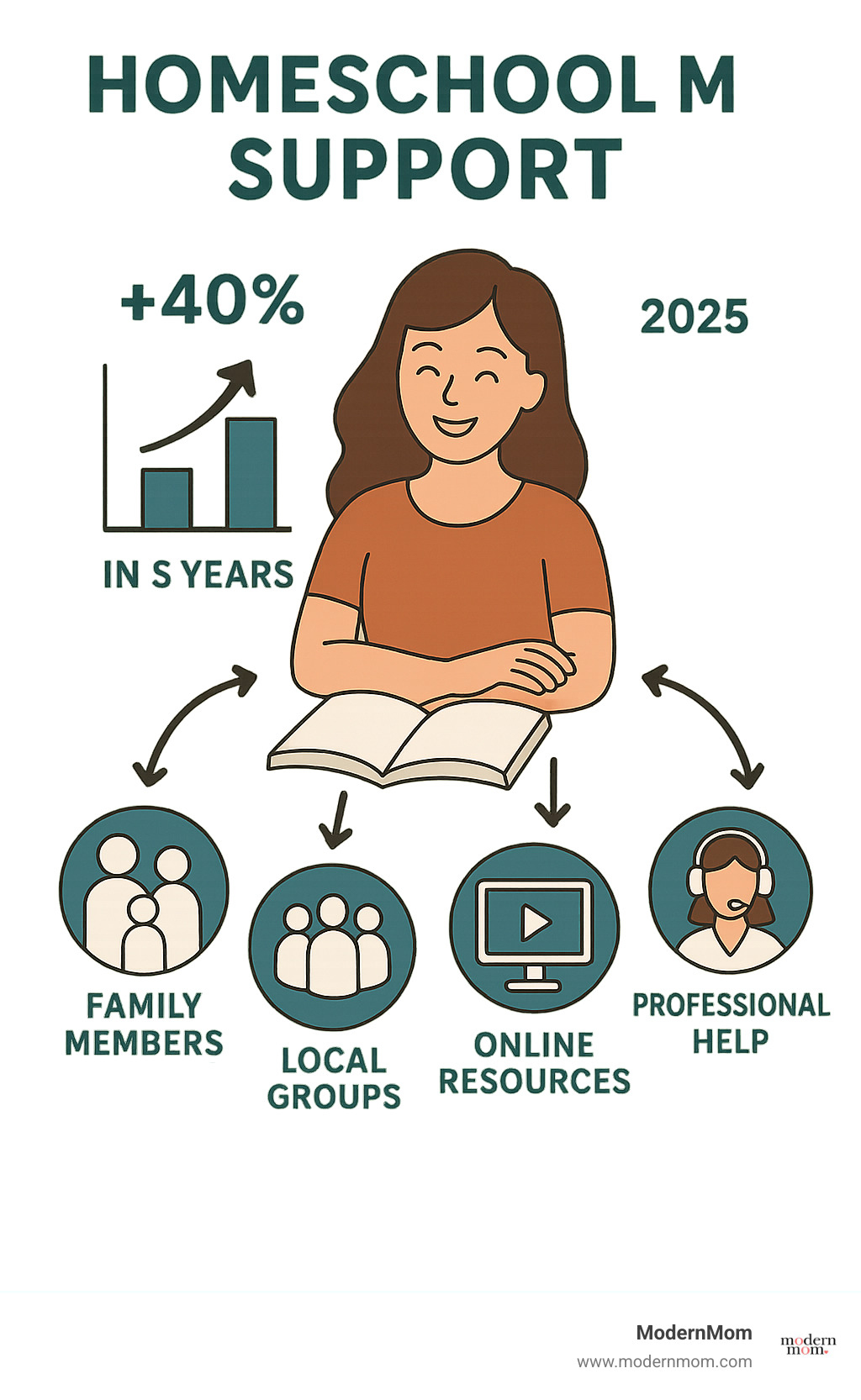
Homeschooling families have seen a remarkable increase in numbers, with a 40% growth in the last five years alone. This surge highlights a growing choice among parents, with a significant 77% expressing satisfaction with their decision to homeschool, primarily to provide a better education for their children. However, this journey, while rewarding, presents unique challenges, especially in finding and maintaining robust support systems.
One of the primary problems homeschool moms face is the perception that they must shoulder every responsibility alone. This often leads to feelings of isolation. Yet, as many experienced parents will tell you, strong homeschooling communities are not just beneficial; they are often essential for making it through. Many parents state they wouldn’t have made it through homeschooling without these gatherings.
The tangible benefits of these support systems extend beyond emotional relief. They provide practical assistance, shared resources, and a sense of belonging that combats loneliness. Our goal is to help you build or strengthen your local support networks, leveraging all available resources to create a thriving homeschool environment for both you and your children.
Building Your Inner Circle: Leaning on Family and Friends
Your strongest homeschool mom support often starts right at home. Before you look for outside communities, take a closer look at the people already in your life. Your spouse, extended family, and friends can become your homeschool dream team—if you let them.
Your spouse is your secret weapon. Even if they work full-time, they can still play a huge role in your homeschool success. Maybe they take over science experiments on weekends or handle all the math lessons after dinner. Some dads become the designated field trip driver, while others turn their hobbies into teaching moments. One mom shares how her husband’s love of astronomy turned their backyard into a weekly stargazing classroom.
Extended family brings unique gifts that you simply can’t replicate. Grandparents who live nearby might offer regular childcare or teach skills you don’t have—like knitting, woodworking, or speaking a second language. Even family members who live far away can contribute through video calls that become geography lessons or regular reading sessions over FaceTime.
When relatives ask how they can help, don’t be shy about suggesting specific items. A chemistry set or set of Nancy Drew novels makes a meaningful contribution to your homeschool. Monthly subscriptions to educational apps or museum memberships are gifts that keep giving all year long.
Friends—both yours and your kids’—complete the circle. Your children need peer interaction, and those playdates can easily become learning opportunities. Meanwhile, your friendships provide the emotional support that keeps you sane. Having mom friends who understand your choices makes all the difference when you’re questioning whether you’re doing enough.
The power of having allies in your corner can’t be overstated. These relationships provide both practical help and emotional encouragement when homeschooling feels overwhelming.
Overcoming the “I Can Do It Myself” Mindset
Here’s the truth: the “superhuman homeschool mom” doesn’t exist. She’s a myth created by carefully curated social media posts and our own perfectionist tendencies.
Real strength looks like asking for help. It means admitting when you’re drowning in lesson plans and letting your spouse take over bedtime reading. It’s recognizing that you don’t have to be the expert in every subject your child studies.
Many moms struggle with guilt when they delegate tasks or accept support. But here’s what we’ve learned: a rested mom is a happier mom. When you take care of yourself and accept help from others, you show up better for your children.
Start small. Ask your partner to handle one subject or activity. Let grandparents take the kids for a Saturday morning so you can meal prep or simply rest. Accept when friends offer to include your child in their museum trip.
Outsourcing isn’t failing—it’s strategic. Whether that means hiring a tutor for high school chemistry or asking your neighbor to carpool to co-op, getting help allows you to focus on what you do best. The tough seasons of homeschooling become much more manageable when you’re not carrying the entire load alone.
Even superheroes have sidekicks. Your village is waiting to support you—you just have to let them in.
Finding Your Tribe: The Power of Local Homeschool Communities
Sometimes the best homeschool mom support comes from the family down the street who’s juggling the same daily challenges you are. Local homeschool communities offer something special that online groups just can’t match—real faces, real hugs, and the kind of support that shows up with coffee when you need it most.
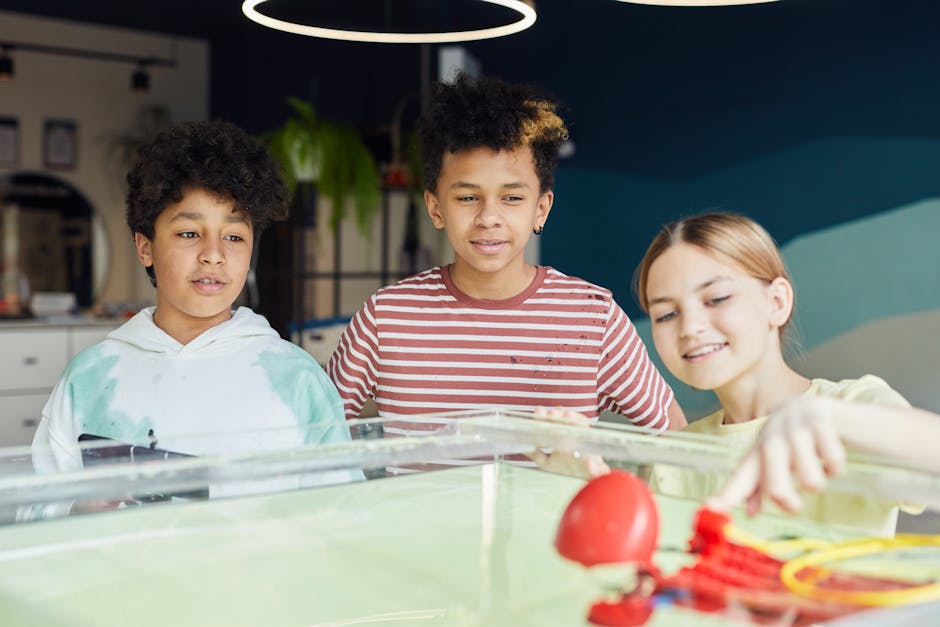
Homeschool co-ops are like having a teaching team without the staff meetings. These groups let parents share the load by taking turns teaching different subjects. Maybe you’re great at art but science makes your head spin—perfect! You can teach watercolor techniques while another mom handles the volcano experiments.
Some co-ops focus on academics with structured classes, while others are more about field trips and social events. The beauty is finding one that fits your family’s needs. Many co-ops do require parents to actively participate, but that’s actually what makes them work so well. Everyone’s invested, and the kids benefit from different teaching styles and expertise.
Park days might sound simple, but they’re often the foundation of lasting friendships. Picture this: kids running around the playground while moms chat on benches, sharing everything from curriculum wins to potty training disasters. These casual meetups create space for genuine connection without the pressure of formal activities.
Group field trips turn ordinary outings into extraordinary memories. Museums, nature centers, historical sites—they’re all more fun with friends. Plus, group rates often make these adventures more affordable, and you’ll have extra adults to help keep track of everyone.
The magic happens when kids start building peer relationships naturally. They’re not just learning about fractions; they’re learning how to be good friends, resolve conflicts, and work as a team. Meanwhile, you’re getting the academic and emotional support that makes homeschooling feel less overwhelming and more like a shared adventure.
Finding Your Tribe: The Core of Homeschool Mom Support
There’s something irreplaceable about face-to-face connection with other moms who truly get it. When your seven-year-old has a meltdown over math and you’re questioning every life choice, a text message is nice—but a friend showing up with chocolate and understanding? That’s gold.
Sharing struggles and wins with your tribe creates bonds that go beyond homeschooling. These are the moms who celebrate when your reluctant reader finally devours a chapter book, and they’re also the ones who reassure you that yes, it’s totally normal for kids to forget everything they learned about the Revolutionary War the day before the test.
Don’t underestimate the power of mom’s night out either. Sometimes you need to step away from being “teacher mom” and just be yourself with women who make you laugh until your cheeks hurt.
Meeting like-minded parents doesn’t mean finding carbon copies of yourself. You’ll find an amazing variety of personalities—the organized mom with color-coded planners, the creative mom who turns everything into art projects, the outdoorsy mom who knows every hiking trail, and the tech-savvy mom who can troubleshoot any online learning platform.
So where do you find these wonderful people? Start with libraries and community centers, which often host homeschool groups or have bulletin boards with local information. Faith-based organizations frequently have active homeschool ministries. Online directories like state homeschool resource websites can connect you with established groups in your area.
Even social media groups for your specific city or county can be goldmines for finding park days, co-ops, and activity groups that are already meeting regularly. The key is taking that first brave step from online lurking to real-life connection.
Your tribe is out there, probably closer than you think. Sometimes it starts with just one other family who becomes your homeschool anchor.
Navigating the World of Homeschool Mom Support: Online vs. In-Person
The digital age has transformed how we connect, and homeschool mom support is no exception. While online communities offer incredible convenience and access to information, it’s important to understand the real differences between virtual connections and face-to-face community.
Online connections bring undeniable benefits. You can find support at 2 AM when you’re questioning everything, connect with specialized groups for unique learning needs, and access a wealth of information instantly. There’s comfort in knowing thousands of other moms are navigating similar challenges, and you can find advice for virtually any homeschool situation imaginable.
But online support also has its limits. Information overload can leave you more confused than when you started. The comparison trap is real when everyone’s sharing their highlight reels while you’re dealing with a meltdown over math. And let’s be honest – it’s easy to get lost scrolling through endless posts when you should be teaching fractions.
Real-life community offers something different entirely. There’s deep connection that happens when another mom looks you in the eye and says, “I’ve been there too.” You get emotional support that goes beyond typed words, shared experiences that create lasting bonds, and accountability that helps you follow through on your goals. When your child struggles with reading, an online forum might offer suggestions, but a local friend will show up with encouraging books and offer to help.
The challenge with in-person community? Scheduling can feel impossible when everyone has different rhythms, and it takes more energy to maintain these relationships.
Here’s the truth: the most supported homeschool moms use both, but they understand the limits of digital support. Online connections work best as a supplement to, not a replacement for, real relationships. The pressure of “picture-perfect” motherhood hits hardest on social media, where curated posts can make you feel like you’re the only one struggling.
The goal isn’t choosing between online and in-person support – it’s using each for what it does best.
Using Technology to Build, Not Replace, Your Village
Technology becomes powerful when it helps you create real connections rather than replacing them entirely. Social media can be your friend when you use it to find local meetups, find park days in your area, or connect with other homeschool families nearby.
Apps for organizing events make coordinating with your local group so much easier. Whether it’s planning a field trip or scheduling a mom’s night out, technology can handle the logistics so you can focus on building relationships.
When it comes to learning, online classes can be a lifesaver for subjects that make you break out in a cold sweat. Let someone else teach calculus while you focus on what you do best. Podcasts for kids can keep little ones engaged during independent time, and creative digital activities can occupy busy hands while you work with an older child.
The key is using technology to improve your homeschool community, not escape from it. When your child video calls with grandparents to share a science project, or when you use a group chat to coordinate carpools for activities, technology is serving your village beautifully.
The most connected homeschool moms aren’t necessarily the ones with the most online followers – they’re the ones who’ve learned to blend digital tools with genuine, face-to-face relationships that sustain them through both the challenging seasons and the celebrating moments of their homeschool journey.