
The Chaos Is Real — But So Is the Fix
Decluttering with kids doesn’t have to feel like a losing battle. If you’re drowning in toy bins, outgrown clothes, and mystery art supplies, you’re definitely not alone.
Here’s a quick-start guide to get things moving:
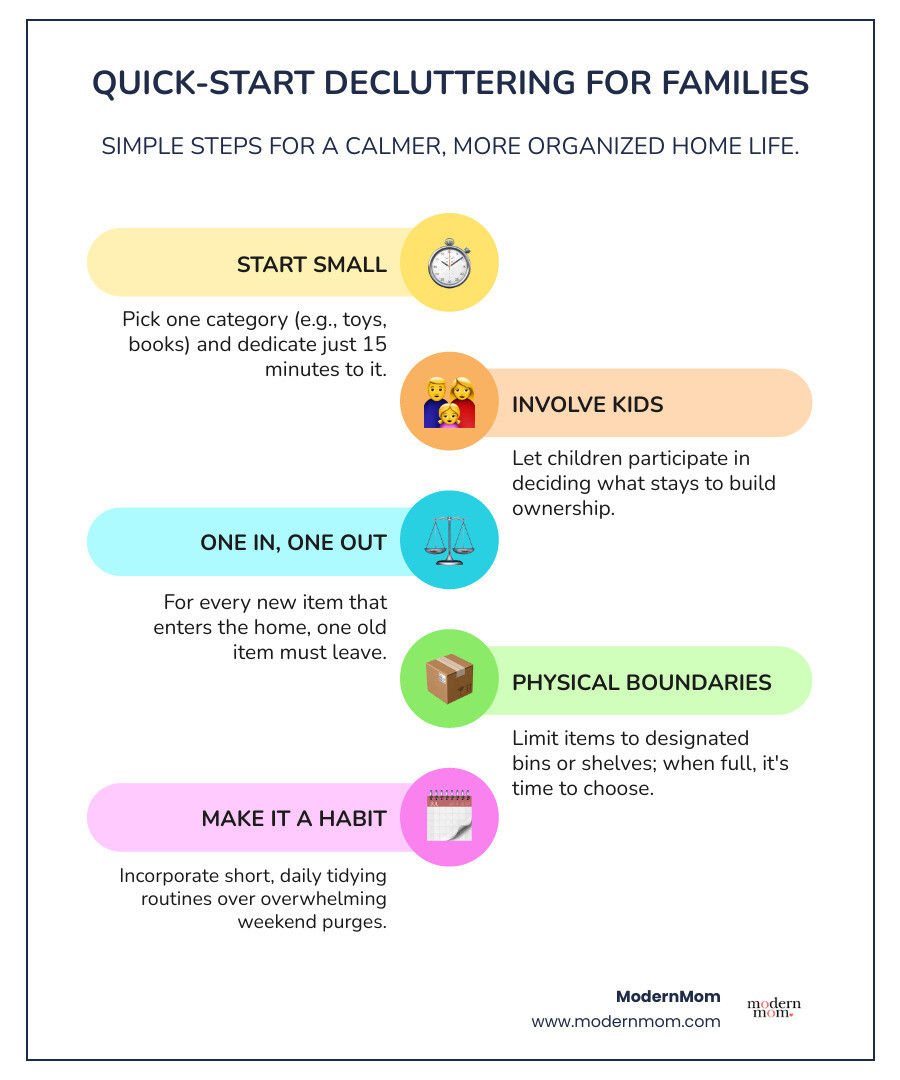
- Start small. Pick one category—toys, books, or clothes—and spend just 15 minutes.
- Involve the kids. Let them decide what stays (it builds great habits later).
- Use the ‘One In, One Out’ rule. Every new item means one old item leaves.
- Set physical boundaries. One bin, one shelf, one drawer—when it’s full, it’s time to choose.
- Make it a habit. Short daily tidying beats one overwhelming weekend marathon.
It really can be that simple to start. If the home feels like a toy store exploded, the mental load of managing it all is exhausting.
Research shows that clutter can negatively affect mood and contribute to feelings of overwhelm. A calmer, more organized home isn’t just possible—it’s closer than you think.
Getting the kids involved isn’t just practical; it’s actually a wonderful way to teach them life skills. Let’s look at the strategies that actually work in real homes, with real children.
Decluttering with kids hacks:
Why Decluttering with Kids is a Game-Changer for Your Family
It’s a familiar scene: a playroom so packed with toys that children don’t actually play with anything. They often stand in the middle of the room, overwhelmed, and eventually ask for a screen.
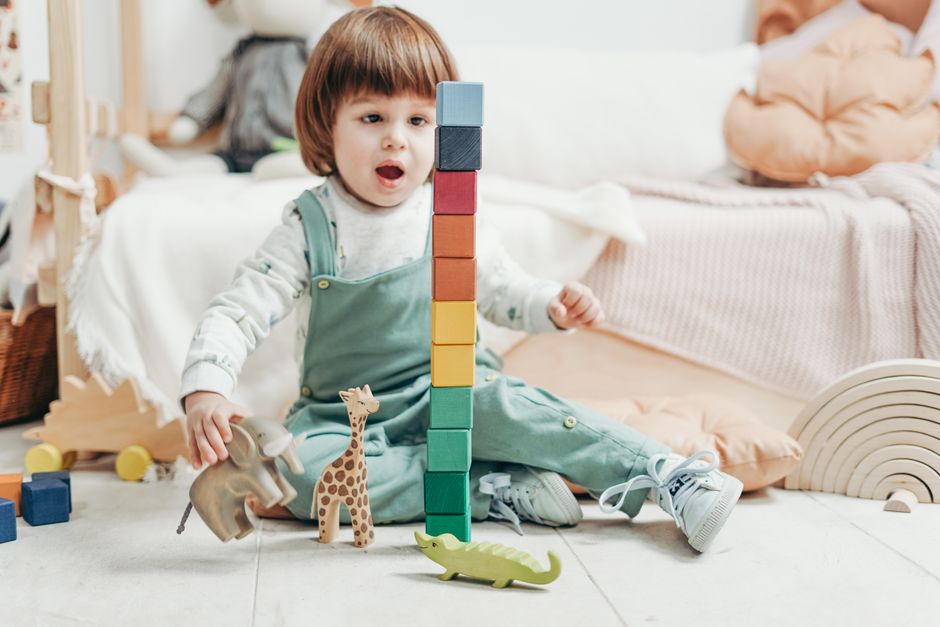
According to a study referenced by Psychology Today, children with fewer toys show increased focus and creativity. When they aren’t bombarded by dozens of gadgets, they engage in deeper, more imaginative play.
Involving children in the process teaches essential life skills like responsibility and gratitude. They learn to be stewards of their belongings and appreciate the items they choose to keep.
Leading by example is key. It’s hard to ask a child to part with a toy if the grown-up spaces are overflowing.
Approaching the home with a bit of “Zen detachment,” helps keep the peace. For more ways to streamline home life, check out these cleaning and decluttering hacks to find systems that work for busy families.
Age-Appropriate Strategies for Decluttering with Kids
Success in decluttering with kids depends on matching the task to their developmental stage. You wouldn’t ask a toddler to organize a filing cabinet, and a teenager needs a different approach than a five-year-old.
- Toddlers (Ages 2-4): Focus on simple sorting using “this or that” choices. “Do you want to keep the red truck or the blue one?” Keep sessions under 10 minutes. For more on managing this age group, see this guide on dealing with two-year-olds.
- School-Age (Ages 5-10): These kids can handle more complex decisions. Try the “Top 10” method—ask them to pick their ten favorite action figures or dolls. The rest can be rotated or donated.
- Teens (Ages 13+): Treat them as partners and explain the “why” behind decluttering. Let them have the final say on their room’s aesthetic to encourage ownership.
Making Decluttering with Kids Fun and Engaging
If it feels like a chore, kids will naturally resist. If it feels like a game, they’re much more likely to jump in.
Try a “Beat the Clock” challenge by setting a timer for 10 minutes to see how many items can be returned to their homes. “Toy Races” or “Treasure Hunts” for missing pieces also work well.
Use incentives that don’t add more clutter, like a movie night or choosing what’s for dinner.
| Age Group | Recommended Incentive | Session Length |
|---|---|---|
| Toddlers | Stickers / Extra Bedtime Story | 5-10 Minutes |
| School-Age | Screen Time / Special Treat | 15-20 Minutes |
| Teens | Cash / Choosing the Weekend Activity | 30-60 Minutes |
Involving Teens and School-Age Children
Ownership is key for older kids. Setting physical boundaries—like “all art supplies must fit in this one drawer”—empowers them to make the tough calls.
This sense of ownership is particularly helpful for neurodivergent children who may feel a deeper attachment to their belongings. For families navigating these unique challenges, there are specific resources on autism and too much stuff.
The Ultimate Guide to Decluttering with Kids
The secret to a sustainable, tidy home isn’t just throwing things away; it’s creating a system where everything has a “home.” When every item has a designated spot, cleanup becomes second nature.
The “Container Method” is a fantastic tool. Instead of saying “there are too many cars,” try saying, “the cars live in this blue bin.” If the bin is overflowing, the container has decided that some cars need to go.
For more hands-on projects, explore these DIY organization hacks to build custom solutions for any space.
Sorting Toys, Clothes, and Art Supplies
- Toy Rotation: Keep about 20% of toys out and store the rest in “vacation bins.” Every few weeks, swap them out to keep things fresh and exciting.
- The “Maybe Bin”: If a child is hesitant about an item, put it in a “Maybe Bin” out of sight. If they don’t ask for it in 30 days, it’s usually safe to donate.
- Outgrown Bins: Keep a permanent bin in the bottom of each closet. The second those pants look too short, toss them in, and take the bin to a donation center once it’s full.
- Visual Labels: For kids who can’t read yet, use picture labels. A photo of a block on the block bin makes cleanup much easier for little ones.
Essential Resources for Decluttering with Kids
There’s no need to reinvent the wheel when experts have already paved the way. Dana K. White’s “Container Concept” is a life-changer for overwhelmed parents.
Laura Fenton, author of The Little Book of Living Small, offers brilliant tips for families in tight quarters. In Simple Happy Parenting, Denaye Barahona suggests reframing decluttering as a “play space makeover.”
For book lovers, IKEA Flisat wall ledges are perfect for curating a small, rotating selection of books rather than a cluttered bookshelf.
Making it Stick: Maintenance and Handling New Clutter
The hardest part of decluttering with kids isn’t the initial purge—it’s stopping the “stuff creep” that happens afterward. Consistent, small habits are the key to long-term success.
A “Saturday 30” is a great family tradition. Every Saturday morning, everyone spends 30 minutes resetting common areas together. On a daily basis, aim for “15-minute wins” before dinner.
When it comes to birthdays and holidays, try a “One In, Two Out” rule. Before new gifts arrive, help your child choose two older items to give away to create space. This teaches them that possessions are fluid, not permanent.
Sometimes the biggest obstacle isn’t the kids, but the other adults in the house. If it feels like a solo battle, check out this guide on how to handle housework saboteurs.
Overcoming Emotional Hurdles and Common Mistakes
It’s completely normal for a child to have a meltdown over a broken toy. To them, that piece of plastic often represents a happy memory or a specific moment in time.
A beautiful way to handle this is the “Thank You” method. Have the child hold the toy and say, “Thank you for the fun times, but now you’re going to help a new friend.” It provides much-needed closure.
Common Mistakes to Avoid:
- Secret Purging: Tossing things behind their back can break trust and may make them more protective of their things later.
- The Marathon Session: Avoid trying to do the whole house in a weekend. It usually leads to exhaustion and tears for everyone.
- Forced Discarding: If they truly love something, let them keep it as long as it fits in their designated “container.”
Every parent has a different cleaning personality. Discover yours with this guide on finding your real cleaning style.
Frequently Asked Questions about Decluttering with Kids
Should I declutter while my kids are asleep?
For babies and young toddlers, this often works best. However, once they hit age 3 or 4, involving them builds mindfulness and prevents future power struggles.
How do I handle gifts from relatives?
Communication is key. Suggest “experiential gifts” like zoo memberships or movie tickets. If physical gifts still arrive, apply the “One In, One Out” rule as soon as possible.
What do I do with sentimental artwork?
It’s impossible to keep every finger painting. Use a “Top 10” rule for each school year. For large 3D projects, take a photo of the child with their creation, then recycle the project. The photo is easier to store and often more meaningful later!
Conclusion
ModernMom understands that your home is the backdrop of your family’s life. It should be a place of rest, not a source of stress. Decluttering with kids isn’t about achieving a “perfect” home; it’s about creating a space where your family can thrive.
Be gentle with yourself. Some days the toys will win, and that’s okay. Progress, not perfection, is the goal.
Start with just a few minutes today—maybe even while the coffee is brewing! Check out these 5 things to tidy up while your morning coffee is getting ready for a quick win. Happy decluttering!