
Search Results for: decrease infection

Estrogen Replacement for Women
Estrogen replacement, also called hormone replacement therapy, replaces the hormones that naturally decrease with menopause. While menopause is often associated with older women, the removal of the ovaries at any point also causes menopause. Estrogen replacement showed promising benefits for women, but starting in 2002, concerns about the safety of the therapy began. Hormone replacement comes with potentially serious risks that all women should understand before starting.
Hives & Fever in Children
Though they may be common, certain childhood ailments can be frightening. For instance, if your child suddenly breaks out in a rash or his temperature rises, you may be unsure of what to do. It can be difficult to tell whether hives, which are red, swollen areas of the skin, or fever are causes for concern or if they will clear up on their own.

The Signs of Miscarriage in the First Trimester
The first trimester can be a scary time for the mom-to-be. And, unfortunately, sometimes, this is for good reason. The American Pregnancy Association reports that most miscarriages do occur in the first trimester, before 13 weeks of gestation. In fact, miscarriages may occur in 10 to 25 percent of pregnancies. However, many happen so early in the pregnancy that many women never even knew they were pregnant. If you do have a confirmed pregnancy, there are signs and symptoms to watch for that may indicate a miscarriage will, or did occur.
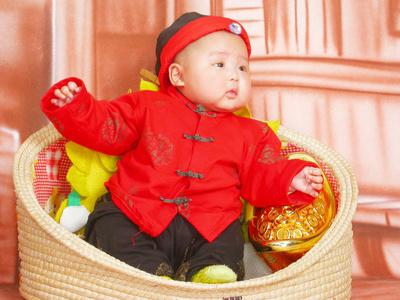
Chinese Methods for Birth Control
As of July 2010, China’s population grew to an estimated 1.33 billion, making it the most populated country in the world. China’s ever-growing population prompted its government to implement the controversial “one-child” policy in 1979, which imposes a heavy fine to couples if they have a supernumerary child without a permit. Those who follow the law receive rewards and benefits. With no policy overturn in sight, as of 2010, Chinese couples continue to take birth control methods available to them.
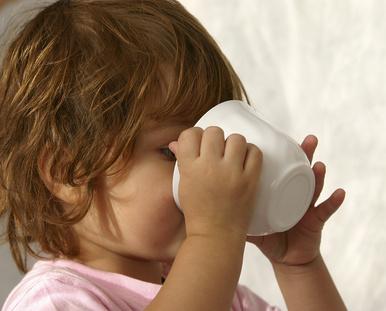
Rotavirus & Dehydration
Rotavirus is such a common disease that most people, adults and children alike, have had rotavirus at least once in their lives, although subsequent infections tend to be mild. Seasonally occurring, Dr. Robert W. Sears reports in “The Vaccine Book” that it starts each year in November in the southwestern states and travels easterly until about March. The most severe affect of rotavirus is dehydration, with infants and young children most at risk.