
Search Results for: herbal treatments
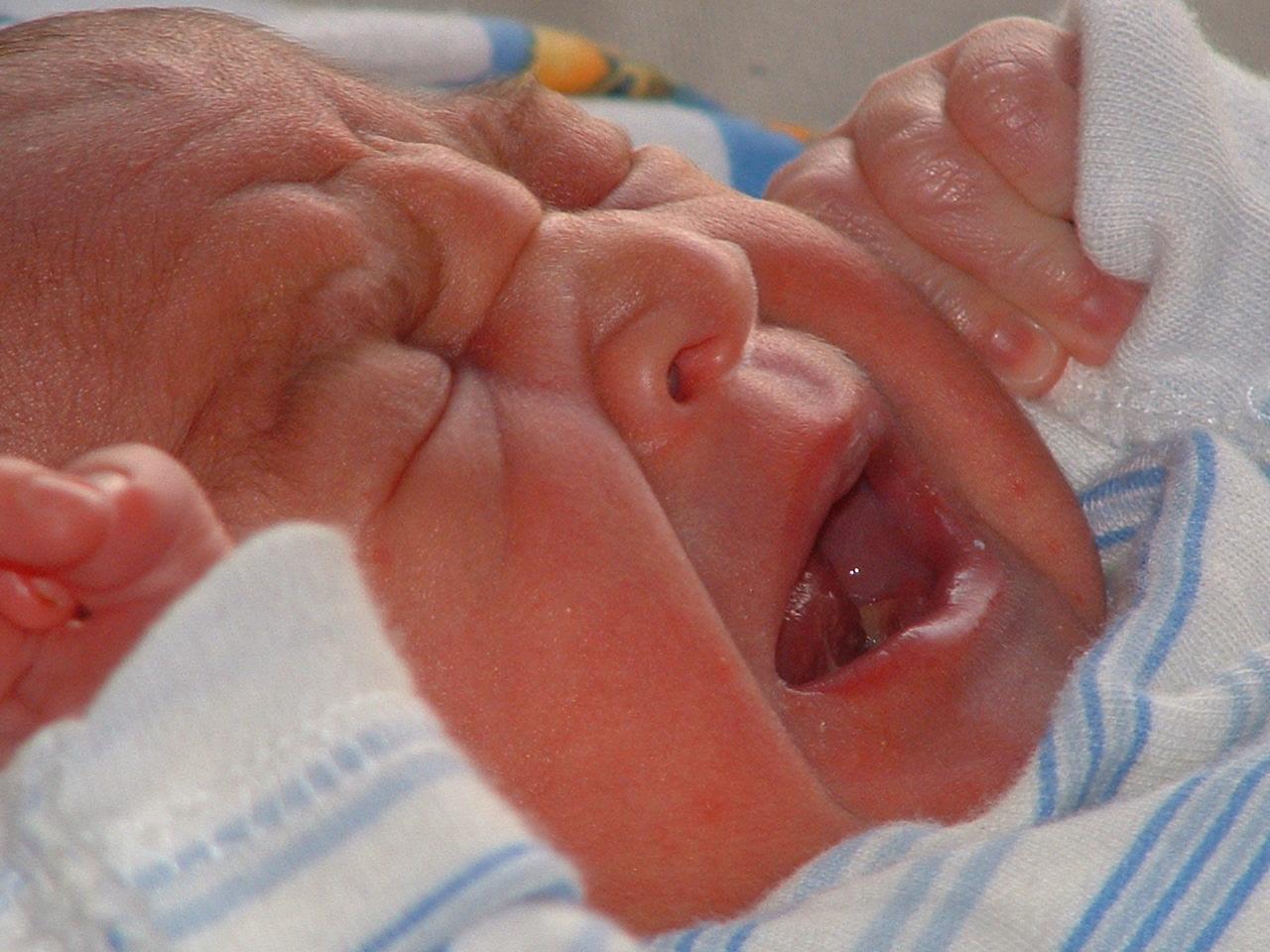
Natural Treatment for Baby Eczema
Eczema is an increasingly common disease in infants and small children. According to the National Eczema Association, over two decades the number of infant eczema cases has more than doubled. Eczema now affects about 10 percent of infants. While the exact reason for the increase is unknown, many dermatologists include pollutants, modern cleaning products and chemical preservatives among the chief suspects. In reaction to the perceived chemical threat, many parents want natural treatments for their children’s eczema. Finding the right natural treatment means understanding a little about the cause and progress of eczema.
Chinese Healing Herbs for Breast Cancer
Breast cancer is the most common type of cancer among women, according to BreastCancer.com. Some women who are diagnosed with breast cancer opt to use holistic, traditional Chinese medicine to complement conventional medical treatment. Increased acceptance of alternative medicine—both within and outside of the medical community—means cancer patients have an easier time accessing Chinese herbs and informing themselves about them.
About Chemical-Free Hair Relaxer
Concerned about hair breakage, hair loss and scalp irritation? Ever been “burned” by chemical hair relaxers? A growing number of women are making the move toward chemical-free hair relaxers as a gentler, safer alternative to traditional methods. Made from ingredients such as herbs, flowers and clay, they’re also more eco-friendly.

5 Ways to Improve Fertility
Many couples look for ways to improve fertility without turning to expensive treatments. The good news is that you can improve your health, and your fertility, with a few simple steps. Consider these 5 simple ways to improve your fertility, and as a bonus, start taking better care of your overall health.
4 Ways to Cure Varicose Veins
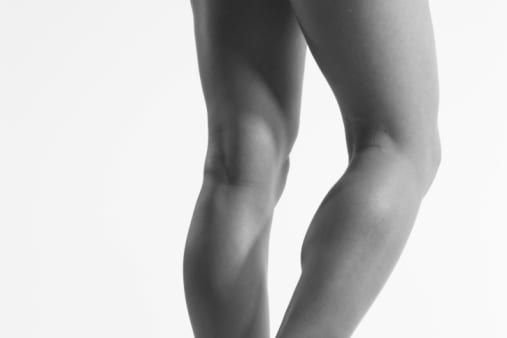
What goes down must go up when it comes to blood circulating to your legs. Because the blood fights against gravity, if the one-way valves that open to let blood back to your heart are weak or damaged, blood can back up, resulting in varicose veins. According to the National Heart Lung and Blood Institute, a number of factors may increase your risk for varicose veins, including a family history of them, obesity and pregnancy.