
Search Results for: instructions
5 Ways to Plan a Kid’s Sleepover
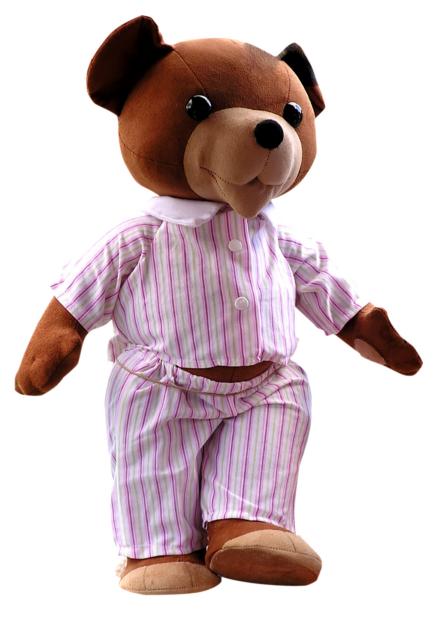
A sleepover is a social event that children may experience at least once in their lifetime. It is a way that they can have social interactions with peers aside from attending school or participating in sports activities. Children can start to participate in sleepovers when they no longer have separation anxiety, usually when they start going to school and demonstrate that they can be a little independent and can follow certain instructions. A sleepover should be wholesome and filled with fun activities to keep the children entertained. Usually, the hosting parents and their child plan the activities ahead of time to ensure that the sleepover will be a successful one.
Why Do Women Bleed During Pregnancy?
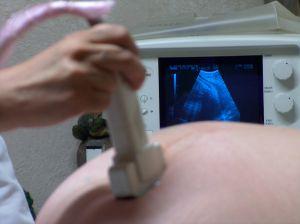
Bleeding during pregnancy can be scary, especially if never experienced before. While bleeding during pregnancy can be an indication of a serious problem, it can also be related to very minor issues and pose no threat to the baby. It’s always important to let your doctor know if you have had any bleeding during pregnancy so he can evaluate whether you need to be seen in the office or visit the emergency room.

Checklist for a First Aid Kit
When an emergency arises, you can never be too prepared. Having a well-stocked first aid kit can prevent tragedy and buy time when a loved one is injured. The following checklist includes all of the items that the Homeland Security’s Ready America program suggests for a first aid kit. Best of all, these items are readily available at any drug store or large retailer. 1. Adhesive Bandages
When to Start Potty Training a Girl
There is no specific age for when a girl is ready to begin potty training. Some children develop the skills necessary to use the potty on their own between 18 and 24 months of age, but it is just as natural for a child to not start showing interest in potty training until age 3 or 4. Either way, don’t push your child to potty train before she is ready. This will only make the process take longer.

Rules of Formal Wear
Weddings, prom nights, balls and cotillions are some examples of events people attend in formal clothing. These are formal events where the people invited receive instructions regarding the attire that is expected, usually inscribed at the bottom of the invitation. If you are not too familiar with the rules of formal attire or are having a difficult time choosing what to wear, follow these guidelines to avoid any social blunders.