

When Winter Feels Heavier for Moms
Seasonal depression tips for moms can make all the difference when the days grow shorter and your energy seems to disappear along with the sunlight. If you’re feeling more tired, irritable, or withdrawn as winter approaches, you’re experiencing something real—and you’re far from alone.
Quick relief strategies you can start today:
- Get outside for 10-20 minutes every morning, even on cloudy days
- Use a 10,000 lux light therapy lamp for 20-30 minutes before 8 a.m.
- Move your body daily—even a kitchen dance party counts
- Maximize natural light at home by opening blinds and moving furniture near windows
- Eat mood-supporting foods rich in vitamin D, omega-3s, and complex carbs
- Ask for help—from your partner, family, or a therapist
What makes seasonal depression harder for moms: Women are diagnosed with Seasonal Affective Disorder (SAD) up to nine times more often than men. Add in the demands of motherhood—keeping routines, managing everyone’s schedules, and trying to stay patient through long indoor days—and winter can feel overwhelming.
The good news? SAD is highly treatable. Research shows that 60-80% of people with seasonal depression find substantial relief from treatments like light therapy, often within just a few days. Small changes to your routine can make a real impact on your mood and energy.
At Modern Mom, we combine expert-backed science with real-world practicality—because you need solutions that actually fit into your life.
Here, we’ll walk through what seasonal depression looks like for moms, how to recognize when it’s more than just the “winter blues,” and most importantly, what you can do about it starting right now.
Understanding SAD: Is It More Than Just the “Winter Blues”?
Before you can tackle the problem, it helps to know exactly what you’re facing. Seasonal depression is more than just feeling a little bummed that summer is over. It’s a recognized medical condition with a predictable pattern.
What SAD Looks and Feels Like for a Mom
For many of us, the shift to cooler weather and less daylight can cause us to feel less motivated or even disengaged. This could be seasonal affective disorder (SAD), a type of depression that occurs during specific seasons, most commonly in the fall or winter. It’s believed that shorter days and reduced daylight trigger chemical changes in the brain, leading to depressive symptoms.
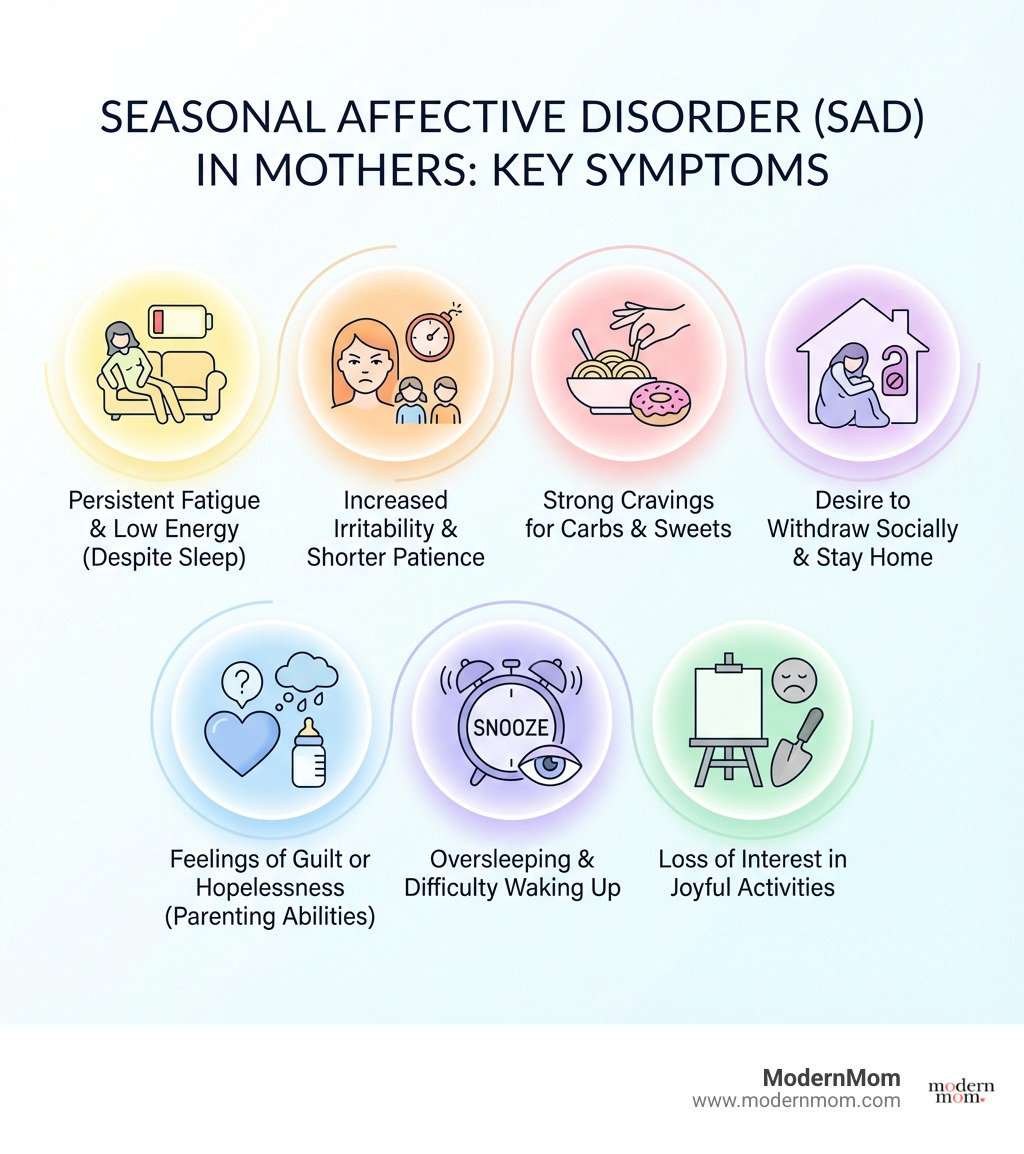
As moms, these symptoms can feel particularly disruptive. We might find ourselves battling overwhelming fatigue that no amount of sleep seems to fix. You might experience persistent low energy, making it hard to keep up with the kids or household tasks. Irritability and low patience can surface, leading to more frequent meltdowns (ours, not just the kids’!).
A common symptom is craving carbohydrates and sugar, which can lead to overeating and weight gain. We might also feel an intense urge to “hibernate,” withdrawing socially and losing interest in activities we usually enjoy. According to the American Psychiatric Association, these symptoms can also include feelings of sadness, worthlessness, or hopelessness. In some cases, too much sleep, known as hypersomnia, is very common with SAD.
Winter Blues vs. Clinical SAD
It’s easy to dismiss these feelings as just the “winter blues,” but there’s a crucial difference. The “winter blues” are milder, temporary mood dips that don’t significantly interfere with our daily lives. We might feel a bit sad or prefer to stay home, but we can still function and find interest in normal activities.
Clinical SAD, however, is a more serious condition. It’s a subtype of major depression with seasonal changes, where symptoms are more severe, last for months, and significantly impact our daily life and ability to parent. If these feelings are strong enough to interfere with our daily functioning, enjoyment of activities, or if we’re experiencing thoughts of hopelessness, it’s time to seek professional help.
| Feature | Winter Blues | Clinical Seasonal Affective Disorder (SAD) |
|---|---|---|
| Severity | Milder, temporary mood dip | More severe, persistent depressive symptoms |
| Duration | Short-lived, occasional bad days | Lasts for weeks or months, typically throughout a season (e.g., fall and winter) |
| Impact on Life | Doesn’t significantly disrupt daily functioning | Significantly impairs daily life, work, social activities, and parenting ability |
| Symptoms | Mild sadness, slight fatigue, occasional cravings | Persistent sadness, hopelessness, extreme fatigue, strong carb cravings, social withdrawal, irritability, changes in sleep/appetite |
| Diagnosis | Not a diagnosable mental health condition | Diagnosable depressive disorder requiring specific seasonal patterns over at least two consecutive years |
| Need for Help | Often managed with self-care | Requires professional intervention (light therapy, therapy, medication) |
Why Moms Are Uniquely at Risk
The statistics are stark: women are four times more likely to experience SAD than men, and some studies suggest we may be up to nine times more likely to be diagnosed. While the exact reasons aren’t fully understood, several factors make moms particularly vulnerable:
- Hormonal Fluctuations: Our bodies already navigate significant hormonal shifts through menstruation, pregnancy, and postpartum periods, which can interact with the brain chemistry changes associated with SAD.
- Social Isolation in Winter: Colder, darker months can mean fewer park playdates, less outdoor activity, and more time confined indoors with children, increasing feelings of loneliness and isolation.
- Pressure to “Do It All”: The expectation to constantly entertain children, manage schedules, and maintain a cheerful home environment can be exhausting, especially when our own energy and mood are plummeting.
- Lack of Personal Time: Many moms already struggle to carve out time for self-care. When SAD hits, the energy to even think about self-care can disappear, creating a vicious cycle.
Professional Treatments That Fit a Mom’s Busy Life
Seeking professional help is a powerful step towards feeling like ourselves again. The good news is that treatments for SAD are effective and can be adapted to fit into a busy mom’s schedule.
Light Therapy: Your Personal Dose of Sunshine
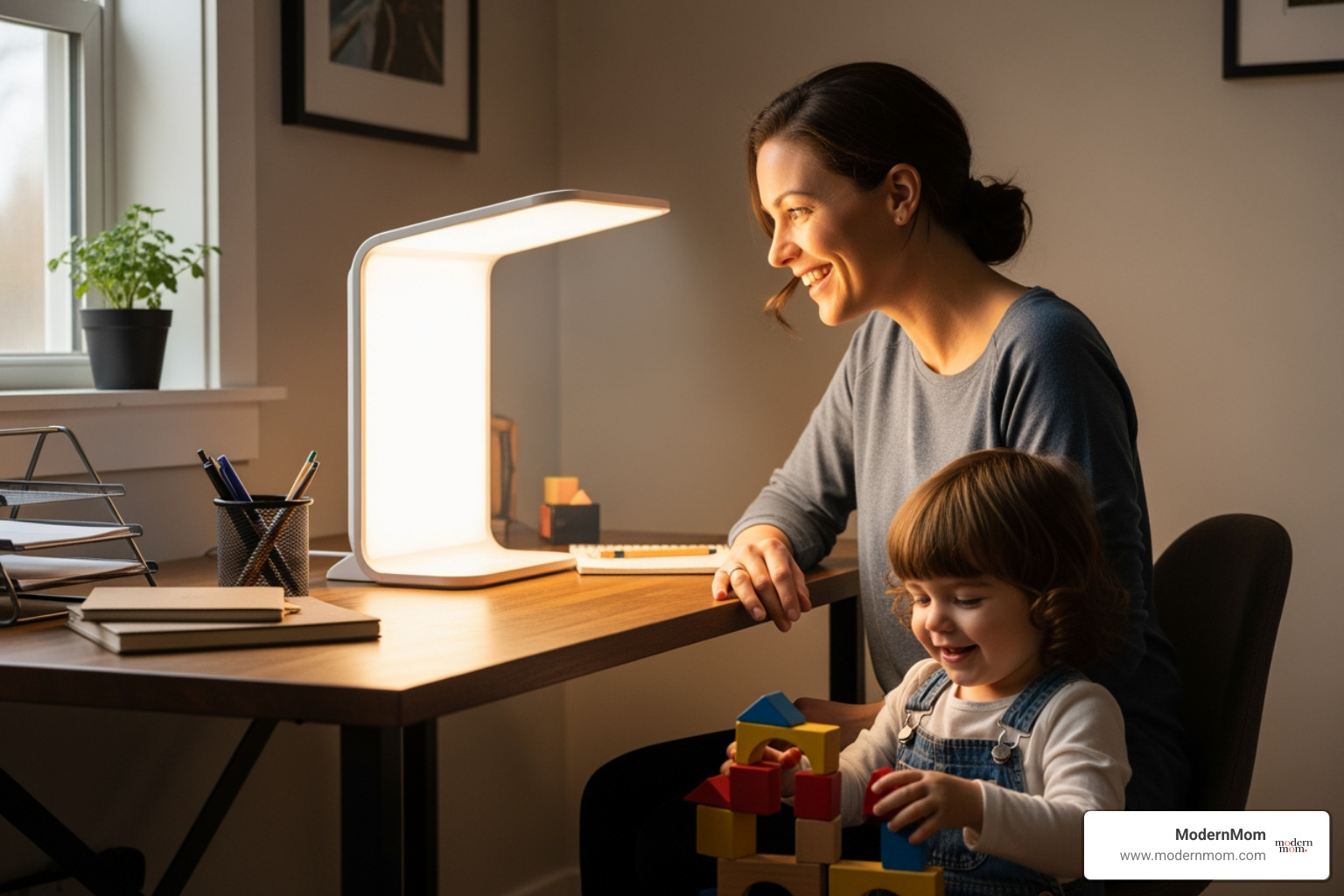
Light therapy (phototherapy) is often considered a first-line treatment for fall-onset SAD. It involves sitting near a special light box that mimics natural outdoor light. These lamps typically emit 10,000 lux intensity, which is about 20 times brighter than regular indoor light, and are designed to filter out harmful UV rays.
- How it works: Exposure to this bright light appears to cause a change in brain chemicals linked to mood, helping to regulate our circadian rhythm and boost serotonin levels. Research shows that 60-80% of people with SAD find substantial relief from light therapy, often within just two to four days.
- Morning Routine: For best results, use your light box for 20-30 minutes each morning, ideally within the first hour of waking. Place it two to three feet away, ensuring the light reaches your eyes indirectly (don’t stare at it!). You can multitask by reading, eating breakfast, or working while using it.
- Safety around children: Light therapy boxes are safe to be around. However, always keep the device out of reach of young children and ensure they don’t stare directly into the lamp.
Talk Therapy: A Space Just for You
Sometimes, we just need a dedicated space to process our feelings and develop coping strategies. This is where talk therapy, particularly Cognitive Behavioral Therapy (CBT), can be incredibly helpful. CBT focuses on identifying and changing negative thought patterns and behaviors associated with SAD.
- CBT for SAD: This specialized form of therapy helps us challenge negative seasonal thoughts, develop behavioral activation strategies (like scheduling pleasant activities), and manage stress. It’s noted for producing some of the longest-lasting effects of any SAD treatment.
- Finding a therapist: We can look for therapists specializing in anxiety disorder services or mood disorders. The rise of online therapy has made it easier than ever to access support from the comfort of our homes, fitting into nap times or after bedtime.
Medication Options to Discuss With Your Doctor
For some of us, medication may be a necessary and effective part of managing SAD. Antidepressants, particularly Selective Serotonin Reuptake Inhibitors (SSRIs), can help regulate serotonin levels to improve mood. Extended-release bupropion (Wellbutrin XL) is another option that can be taken preventatively from fall to early spring to ward off depressive episodes.
- Safety while breastfeeding: It’s crucial to have an open conversation with your healthcare provider about any medications, especially if you are breastfeeding. They can help weigh the benefits and risks, ensuring the safest approach for both you and your baby. Never start or stop medication without medical advice.
- Importance of medical advice: Your doctor can help determine the best course of action for you. If you need help finding a healthcare provider or accessing treatment, resources like findtreatment.gov can help you locate mental health services in your area.
Your Action Plan: Practical Seasonal Depression Tips for Moms
Beyond professional treatment, small, intentional changes to our daily lives can make a huge difference in managing SAD. Here are simple, actionable seasonal depression tips for moms you can start using today.

Let There Be Light: Brighten Your Home and Your Mood
Natural light is a powerful mood booster. Maximizing our exposure to it indoors can help counteract the effects of shorter, darker days.
- Open blinds first thing: Make it a habit to open all blinds and curtains as soon as we wake up.
- Trim branches blocking windows: If possible, trim back any trees or bushes outside that might be blocking sunlight from entering our home.
- Rearrange furniture: Position our desks, reading nooks, or even the kids’ play area closer to windows to bathe in natural light.
- Add more lamps: Supplement natural light with artificial light. Use bright, full-spectrum bulbs that mimic natural daylight, especially in frequently used rooms.
Accept the Outdoors (Even When It’s Cold)
Getting outside, even for a short period, can significantly impact our mood and energy. Research shows that regular physical activity and structured routines, especially those involving morning light exposure and outdoor activity, can provide relief.
- Stroller walks: Bundle up and take the baby for a brisk walk around the block.
- Playground trips: Even if it’s chilly, a quick 15-minute playground visit can provide a dose of fresh air and natural light.
- Habit stacking: Try to integrate outdoor time into an existing routine. For example, walk the kids to school, or spend five minutes in the yard while they play before dinner.
- Aim for 10-20 minutes daily: This small commitment can make a noticeable difference.
Move Your Body to Boost Your Mind
Physical activity is a proven way to better mental health. It doesn’t have to be an intense gym session; the goal is simply movement.
- At-home workouts: There are countless free workout videos online that can be done during naptime or after the kids are in bed.
- Dance parties with kids: Put on some music and have a spontaneous dance party in the living room. It’s fun for everyone and gets those endorphins flowing.
- Stretching and yoga: Even gentle stretching or a short yoga flow can relieve tension and improve mood.
- The goal is movement, not perfection: Find an activity we genuinely enjoy, whether it’s hiking, snowshoeing, or simply walking around the house more.
Eat to Feel Better: Nutrition for seasonal depression in moms
Our diet plays a significant role in our mood and energy levels. Making conscious food choices can support us through the winter months.
- Add vitamin D: Many of us are deficient in Vitamin D, especially in winter when sun exposure is limited. Research suggests adding vitamin D into our diet or taking supplements can improve mood and reduce SAD symptoms. Always consult with a physician or nutritionist on appropriate dosage.
- Complex carbohydrates: Instead of sugary snacks, opt for complex carbs like whole grains, oats, and sweet potatoes. These provide sustained energy and can help boost serotonin levels.
- Omega-3 fatty acids: Incorporate foods rich in Omega-3s, such as salmon, flaxseeds, and walnuts, which are known to support brain health.
- Limiting sugar and processed foods: While tempting, these can lead to energy crashes and worsen mood swings.
- Staying hydrated: Don’t underestimate the power of water. Dehydration can contribute to fatigue and irritability.
Building Your Support System and Asking for Help
You don’t have to go through this alone. Leaning on your support system is one of the most powerful seasonal depression tips for moms.
How to Talk to Your Partner and Family
Communicating our needs when we’re struggling can be challenging, but it’s essential.
- Explaining SAD clearly: Help your partner and family understand that SAD is a real medical condition, not just a bad mood. Share resources like this article to help them learn more.
- Voicing your needs: Be specific about what you need. Instead of saying “I need help,” try “Can you take the kids out for an hour so I can have some quiet time?” or “Could you handle dinner prep tonight so I can rest?”
- Sharing resources with them: Encourage your support system to read up on SAD so they can better understand and empathize with what you’re going through.
Finding Your Tribe and Overcoming Guilt
Connecting with others who understand can be incredibly validating.
- Connecting with other moms: Reach out to friends, join a local mom’s group, or find online support communities. Knowing you’re not alone can be a huge relief.
- Scheduling social time: Make an effort to schedule regular catch-ups, even if it’s just a virtual coffee date.
- Prioritizing your mental health is not selfish: It’s necessary for you and your family. When you take care of yourself, you’re better able to care for your children.
Where to Find Help Now
If you or someone you know is struggling, help is available.
- Crisis support: If you’re experiencing a mental health crisis or thoughts of suicide, please reach out immediately. In Canada, you can call or text 988. In the US, you can call or text the 988 Suicide and Crisis Lifeline.
- Mental health resources: Organizations like the Mood Disorders Association of BC and BC Partners for Mental Health and Addictions Information offer valuable resources and support.
- General health information: For non-emergency health information, including mental health, you can call 811 or visit www.healthlinkbc.ca.
- Your family doctor: Always a great first point of contact for diagnosis, treatment options, and referrals to specialists.
Frequently Asked Questions about Seasonal Depression in Moms
How can I tell if it’s SAD or postpartum depression (PPD)?
SAD is characterized by its seasonal pattern, typically returning each fall/winter and improving with the spring. PPD, on the other hand, is tied to childbirth and can occur any time of year, often starting within a few weeks after delivery but sometimes much later. While symptoms can overlap (fatigue, sadness, irritability), the timing is the key differentiator. If you’re unsure, or if your symptoms are severe, always consult a doctor for a proper diagnosis.
Is light therapy safe to use around my baby?
Yes, light therapy boxes are designed to filter out harmful UV light and are generally safe to be around. However, it’s crucial to never let a child stare directly into the lamp. Always position the light box out of their reach and ensure they aren’t looking into the light source. It’s always a good idea to consult with your pediatrician for specific guidance regarding your child.
I have zero time for self-care. What’s the one thing I should do?
We get it, mom life is busy! If you have literally zero time, start with a “micro-dose” of sunlight. Make it a non-negotiable habit to step outside for 5-10 minutes within the first hour of waking up. No phone, no distractions. Just you and the sky. Even on a cloudy day, the natural light exposure is significantly more potent than indoor lighting and can help reset your circadian rhythm. It’s a small step that can reset your entire day, and it’s one of the most effective seasonal depression tips for moms with limited time.
You’ve Got This, Momma
Navigating seasonal depression while raising little ones is a heavy load, but remember, this is a treatable condition—not a personal failing. By understanding the signs, exploring treatments, and building small, positive habits into your routine, you can manage the symptoms and find joy in every season. You are resilient, and you are not alone on this journey. We’re here to support you with resources and community every step of the way.