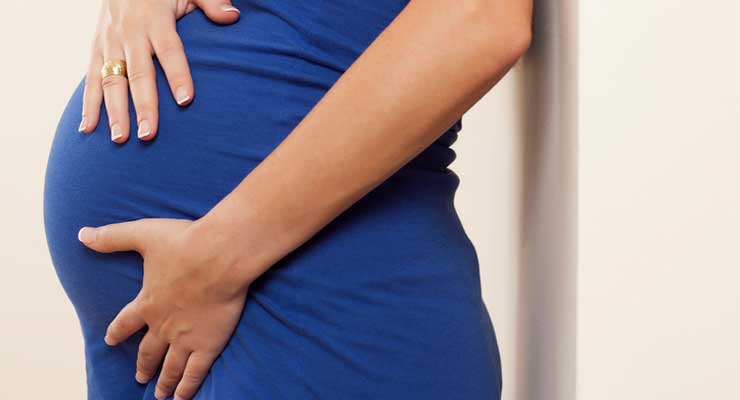

Although many women expect to gain weight during pregnancy, this isn’t the time to give in to every culinary temptation. Making changes to your diet before you become pregnant can help you prepare for a healthy pregnancy. However, even if you don’t stay focused on your eating habits until the end of your first trimester, dietary changes can still help regulate your weight gain and provide important nutrients. Examine your diet to make any necessary changes during your second and third trimester. Consume the best possible diet during your pregnancy to boost your health and ensure adequate nutrients for your growing baby.
Weight Gain
The amount you should gain during pregnancy depends on your pre-pregnancy weight, according to the Health Castle Nutrition website. If you were slim before becoming pregnant, you may need to gain between 28 and 40 lbs., but if you started out heavy, your doctor may ask you to keep your weight gain between 15 and 25 lbs.
Calories
During your second and third trimesters, you require about 300 more calories each day, advises the American Pregnancy Association. However, this is a general guideline. Your doctor may consider your present weight and health when recommending the number of calories you should consume during your pregnancy.
Nutritional Requirements
Your changing body and your growing baby require adequate levels of nutrients to maximize good health. The best pregnancy diet includes nutritious foods. Protein, calcium, vitamin C and iron can help grow new tissue, build your baby’s bones and prevent anemia. Folic acid reduces the risk of spina bifida, a serious birth defect. The American Pregnancy Association recommends pregnant women consume about 75 to 100 grams (g) of protein every day during pregnancy, approximately 1,000 milligrams (mg) calcium, 27mg of iron, at least 600 micrograms (mcg) folic acid and a minimum of 35mg of vitamin C.
Sources of Nutrition
The best diet during your second and third trimesters includes foods that provide important nutrients. Consume plenty of high-protein foods, such as chicken, eggs, lean beef and tofu. Dairy foods that supply adequate amounts of calcium, include milk, yogurt and cheese. Turnips, spinach and lettuce contain iron and folic acid, while oranges, strawberries and tomatoes supply vitamin C.
Balancing Your Diet
Create the best diet by including two to three daily servings of meat, legumes, green leafy vegetables, fruits, whole grains and lean protein. Eat a healthy breakfast of scrambled eggs, whole-grain toast, a piece of fruit and a glass of milk. Lunch and dinner can include healthy, mixed salads, whole grain bread, lean meats and cheese. Replace sweet and fattening snacks with fresh fruits, nuts and raw vegetables.
Photo Credit
- pregnant image by AGphotographer from Fotolia.com