

If you have ever ordered sunscreen from Korea or Japan, or brought a bottle home from a trip overseas, you may have noticed something right away.
It just feels different.
Many international sunscreens are lightweight, silky, easy to blend, and feel more like skincare than the thick, greasy, chalky formulas many Americans are used to seeing on drugstore shelves.
For years, skincare fans have been asking the same question: why do sunscreens in other countries often feel so much better?
Part of the answer comes down to sunscreen ingredients.
For decades, American sunscreen formulas have been limited by an older list of approved UV filters. Meanwhile, countries in Europe, Asia, Australia, and elsewhere have had access to newer sunscreen technology.
Now that may finally be changing.
In June 2026, the FDA approved bemotrizinol, also known as BEMT, as a new active ingredient for over-the-counter sunscreens in the United States. It is the first new sunscreen ingredient added to the U.S. sunscreen monograph since the late 1990s.
That may sound like a small regulatory update, but for anyone who wears sunscreen every day, it could be a big deal.
What Is Bemotrizinol?
Bemotrizinol is a sunscreen ingredient that helps protect skin from both UVA and UVB rays.
You may also see it referred to as BEMT or, in some products, by the brand name PARSOL Shield.
To understand why this matters, it helps to know the difference between UVA and UVB rays.
UVB rays are the rays most associated with sunburn. They are the reason your skin may turn red after too much time outside.
UVA rays penetrate more deeply into the skin and are strongly associated with premature aging, dark spots, and long-term skin damage. UVA rays can also pass through windows, which is one reason dermatologists often recommend wearing sunscreen even on days when you are mostly indoors or driving.
A good broad-spectrum sunscreen helps protect against both.
Bemotrizinol is considered a broad-spectrum UV filter because it helps absorb both UVA and UVB radiation. It has already been used in sunscreens internationally for years, but until now, it was not approved as an active sunscreen ingredient in the United States.

Why Has American Sunscreen Lagged Behind?
Sunscreen is regulated differently in the United States than it is in many other countries.
In the U.S., sunscreen is treated as an over-the-counter drug. That means active ingredients must go through a more formal FDA review process before they can be used in products sold as sunscreen.
In other countries, sunscreen may be regulated more like a cosmetic product. That has allowed newer UV filters to reach consumers more quickly.
The result is that American sunscreen formulas have often relied on older ingredients, while international brands have had more flexibility to create formulas that feel lighter, blend better, and provide strong broad-spectrum protection.
This is one reason Korean sunscreen and Japanese sunscreen have developed such a loyal following among beauty shoppers. Many people find them easier to wear every day.
And that matters because sunscreen only works if people actually use it.
Why BEMT Could Make Sunscreen Better
Bemotrizinol is exciting because it has several qualities that make it useful in modern sunscreen formulas.
First, it offers broad-spectrum protection. That means it helps cover both UVA and UVB exposure.
Second, bemotrizinol is considered photostable. In simple terms, that means it holds up well when exposed to sunlight. Some sunscreen ingredients break down more quickly in the sun and need to be stabilized by other ingredients. A photostable filter can help support formulas that perform well during regular wear.
Third, bemotrizinol works well alongside other sunscreen ingredients. Brands can combine it with existing filters to create formulas that are protective, wearable, and more pleasant on the skin.
For consumers, the hope is that this approval will eventually lead to sunscreens that feel less greasy, less heavy, and less chalky.
That could be especially helpful for people who avoid sunscreen because they hate how it feels.
What This Means for Families
As a parent, this is the part that feels most practical.
We can talk all day about UV filters, broad-spectrum coverage, and FDA approval. But in real life, sunscreen has to pass a much simpler test:
Will your family actually wear it?
If a sunscreen feels sticky, burns the eyes, leaves a white cast, stains clothing, or makes everyone complain before you even get out the door, it becomes harder to use consistently.
That is especially true with kids.
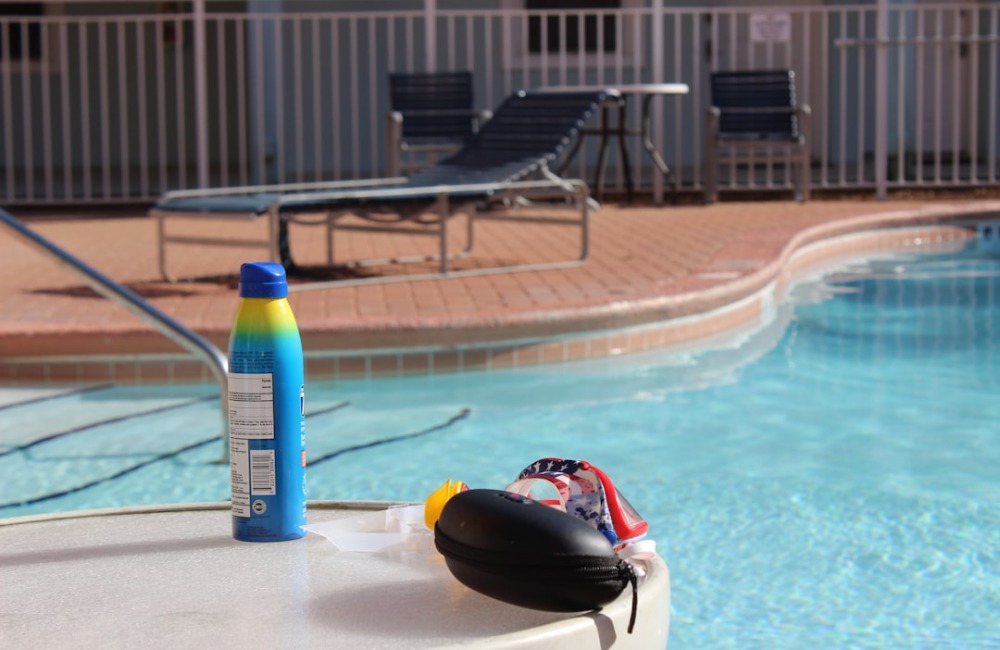
Parents need sunscreen that works for school days, sports, camp, beach trips, playgrounds, amusement parks, road trips, and those random afternoons when everyone ends up outside longer than planned.
Better sunscreen formulas could make daily sun protection feel less like a battle.
That does not mean bemotrizinol is magic. It does not replace hats, shade, sunglasses, protective clothing, or common sense. But if it helps brands create products that people like wearing, it could make sunscreen use easier for families.
And that is a meaningful win.
Does This Mean Current Sunscreens Are Bad?
No.
This is important.
The approval of bemotrizinol does not mean the sunscreen already in your bathroom cabinet is useless. Existing broad-spectrum sunscreens can still help protect your skin when used properly.
If you are going outside today, do not wait for new BEMT sunscreen products to arrive before protecting your skin.
Use what you have.
Choose a broad-spectrum sunscreen. Apply enough of it. Reapply it as directed, especially after swimming, sweating, or toweling off. Use hats, shade, and protective clothing when you can.
The best sunscreen is still the one you will actually apply and reapply.
Bemotrizinol simply gives manufacturers another tool to create more advanced formulas in the future.
When Will Bemotrizinol Sunscreens Be Available?
Even though bemotrizinol has been approved, that does not mean every sunscreen aisle will change overnight.
New products take time to formulate, manufacture, label, distribute, and stock on store shelves.
The ingredient is expected to be introduced in the U.S. market as PARSOL Shield by dsm-firmenich. Broader availability may take longer because the company has an exclusivity period tied to the approval process.
For shoppers, the easiest thing to do is watch ingredient labels. You may eventually see “bemotrizinol,” “BEMT,” or “PARSOL Shield” listed as part of a sunscreen formula.
Until then, keep using a sunscreen that works for your skin, your family, and your routine.
How to Choose Sunscreen Right Now
While we wait for new bemotrizinol sunscreen products to become more widely available, there are still plenty of good sunscreen options on the market.
When choosing sunscreen, look for:
- Broad-spectrum protection: This means the product helps protect against both UVA and UVB rays.
- An SPF that fits your use: For everyday wear, many dermatologists recommend SPF 30 or higher. For longer outdoor exposure, beach days, sports, or camp, you may want a higher SPF and a formula designed for extended wear.
- Water resistance: If your family is swimming, sweating, or playing sports, look for a water-resistant sunscreen and follow the reapplication instructions.
- A texture people will tolerate: This is underrated. A sunscreen that feels good is more likely to be used. Lotions, sticks, gels, sprays, and face sunscreens all have their place.
- Options for different skin types: Some people prefer mineral sunscreens with zinc oxide or titanium dioxide. Others prefer chemical sunscreens because they tend to blend more easily. Some people need fragrance-free formulas or products made for sensitive skin.
There is no single best sunscreen for everyone. The right sunscreen is the one that fits your skin, your budget, your lifestyle, and your willingness to reapply it.
Why This Approval Matters
The approval of bemotrizinol may seem technical, but it represents something bigger.
For nearly three decades, sunscreen innovation in the United States moved slowly while other countries had access to newer UV filters. That gap helped fuel the popularity of imported Korean, Japanese, European, and Australian sunscreens.
Now, American consumers may finally begin seeing more advanced formulas here at home.
That could mean sunscreens that feel lighter under makeup, blend better on deeper skin tones, work better for daily wear, and are easier to reapply during busy family life.
And if better-feeling sunscreen means more people wear it consistently, that is good news for everyone.
Best Sunscreens to Use Until Bemotrizinol Sunscreens Arrive
Bemotrizinol may change the sunscreen aisle in the years ahead, but that does not mean you should wait to protect your skin.
There are already many good sunscreens available now, including lightweight face sunscreens, mineral formulas, family-friendly sticks, and easy reapplication options. The key is to look for a broad-spectrum sunscreen with SPF 30 or higher, and to choose a formula you will actually use consistently.
Here are a few popular options to consider:
- Beauty of Joseon Relief Sun: Rice + Probiotics SPF 50+: This Korean sunscreen has developed a huge following because it feels more like skincare than traditional sunscreen. It is lightweight, moisturizing, and popular with people who dislike heavy or greasy formulas. Best for: daily face sunscreen, skincare lovers, lightweight wear.
- SKIN1004 Madagascar Centella Hyalu-Cica Water-Fit Sun Serum SPF 50+: Another popular Korean sunscreen, this one has a serum-like texture and is often praised for feeling light and comfortable on the skin. Best for: daily use, people who want a hydrating sunscreen, layering under makeup.
- LANEIGE Hydro UV Defense Sunscreen SPF 50+: A hydrating sunscreen option from a well-known Korean skincare brand. This is a good choice for people who want sunscreen to feel more like part of their morning skincare routine. Best for: dry skin, daily face sunscreen, skincare-first routines.
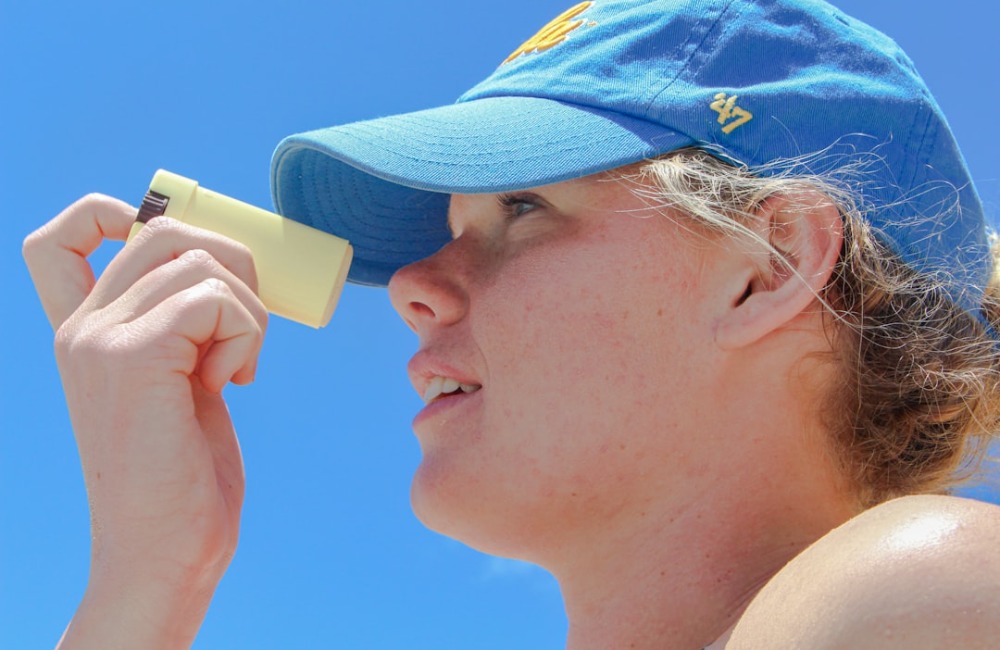
- Shiseido Ultra Sun Protector Clear Stick SPF 50+: A clear sunscreen stick that is easy to carry and reapply. Stick sunscreens can be especially helpful for travel, sports bags, beach bags, and quick touch-ups. Best for: reapplication, travel, adults and teens on the go.
- e.l.f. SKIN Suntouchable Invisi-Stick SPF 50: A more budget-friendly clear sunscreen stick that works well for quick reapplication. This kind of format is especially useful if you know you will not stop to rub in a full lotion sunscreen later in the day. Best for: affordable touch-ups, purses, backpacks, and sports bags.
- Sun Bum SPF 30 Sunscreen Face Stick: A familiar family-friendly option that is easy to toss into a beach bag or backpack. It is especially practical for noses, cheeks, ears, and quick outdoor reapplication. Best for: families, beach bags, sports, casual outdoor use.
- Aveeno Baby Mineral Sunscreen Stick SPF 50: A mineral sunscreen stick designed for sensitive skin. Mineral options can be a good choice for babies over 6 months, young children, or people who prefer zinc oxide or titanium dioxide formulas. Best for: kids, sensitive skin, parents looking for a mineral stick.
- Neutrogena Mineral Ultra Sheer Dry-Touch Face & Body Stick SPF 50: A mineral stick option for face and body. This is useful for people who want mineral protection in a portable format without carrying a full tube of lotion. Best for: mineral sunscreen users, travel, quick face and body application.
- Blue Lizard Sensitive Sunscreen Stick: Blue Lizard is known for sensitive skin sunscreen options, and the stick format makes reapplication easier when you are out with kids or on the move. Best for: sensitive skin, families, outdoor days.
- TonyMoly Green Tea Superlight Daily Defense SPF 50: A lightweight daily sunscreen from a Korean beauty brand. This is another option for people who want sunscreen that feels less like traditional beach sunscreen and more like skincare. Best for: daily face sunscreen, lightweight feel, K-beauty fans.
The biggest takeaway is this: the best sunscreen is the one you will actually wear.
Whether you prefer a Korean sunscreen, a mineral stick, a family sunscreen, or a clear reapplication stick, consistency matters more than chasing the perfect product. Apply enough, reapply as directed, and use hats, shade, sunglasses, and protective clothing whenever possible.
Frequently Asked Questions About Bemotrizinol Sunscreen
- What is bemotrizinol? Bemotrizinol is a sunscreen ingredient that helps protect skin from UVA and UVB rays. It has been used in sunscreens internationally and is now approved for use in over-the-counter sunscreen products in the United States.
- Is bemotrizinol the same as BEMT? Yes. Bemotrizinol is often shortened to BEMT. You may also see it connected to the brand name PARSOL Shield.
- Is bemotrizinol sunscreen available in the U.S. yet? Products containing bemotrizinol may take time to appear on U.S. shelves. Approval is the first step, but brands still need to formulate and launch products.
- Does bemotrizinol protect against UVA and UVB rays? Yes. Bemotrizinol provides broad-spectrum protection, meaning it helps protect against both UVA and UVB exposure.
- Should I stop using my current sunscreen? No. Keep using broad-spectrum sunscreen now. Do not wait for new products before protecting your skin. If you have specific concerns about allergies, sensitive skin, a child under 6 months, or a medical condition, speak with a dermatologist or pediatrician.