

A Fresh Start, Without the Pressure
New Year habits don’t have to mean overhauling your entire life or setting yourself up for guilt by February. Whether you’re hoping to feel more energized, save money for a family vacation, or finally carve out time for yourself, the key isn’t rigid resolutions—it’s building small, sustainable habits that actually fit into your real, messy, beautiful life.
Here’s what you need to know about starting New Year habits that stick:
- Focus on adding habits, not eliminating them – Research shows approach-oriented goals (like “I’ll take a 10-minute walk after lunch”) are more successful than avoidance goals (“I’ll stop eating junk food”)
- Start tiny – Habits can take 18 to 254 days to form, depending on complexity. Begin with actions so small they feel almost silly (floss one tooth, read one paragraph)
- Stack your habits – Link new behaviors to existing routines: “After I start the coffee maker, I’ll put away one dish”
- Plan for slip-ups – One missed day doesn’t mean failure. Progress isn’t linear, and self-compassion matters more than perfection
- Make it enjoyable – Healthy habits only last if you actually like doing them
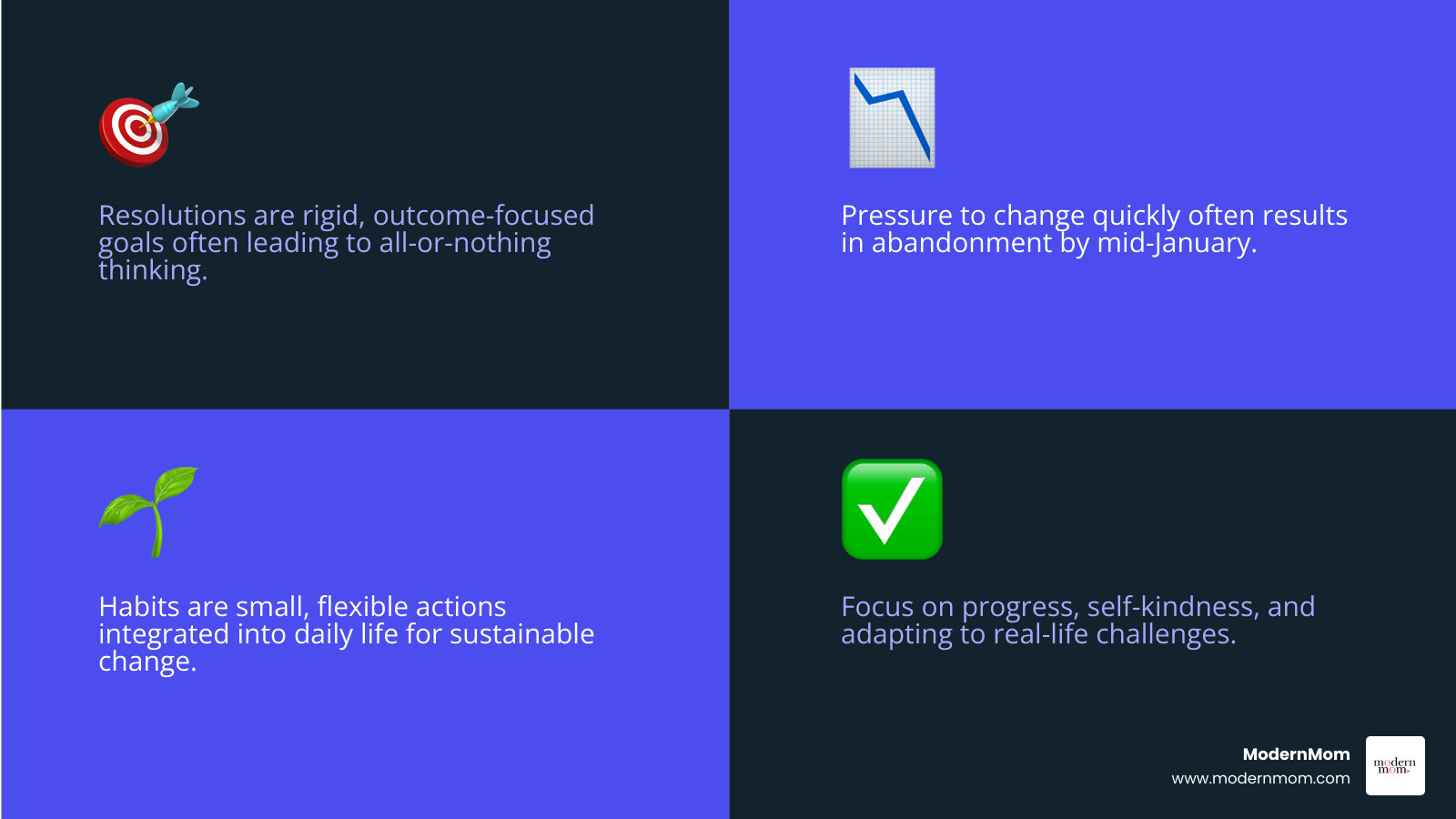
The truth? Many of us will have abandoned our goals by mid-January. And that timing is no accident—after a draining holiday season, the pressure to suddenly “change” can feel like the opposite of kindness to ourselves.
This year, let’s try something different. Instead of asking “What should I fix about myself?” ask “How do I want to feel?” Then build gentle, positive habits around that feeling—whether it’s peace, energy, confidence, or joy.
As someone who’s helped brands and businesses grow through thoughtful strategy and storytelling, we’ve seen how small, consistent actions create lasting change. The same principles that build successful businesses also build successful New Year habits: start with what matters most, keep it simple, and adjust as you go.
Why Most Resolutions Fail (and How to Think Differently This Year)
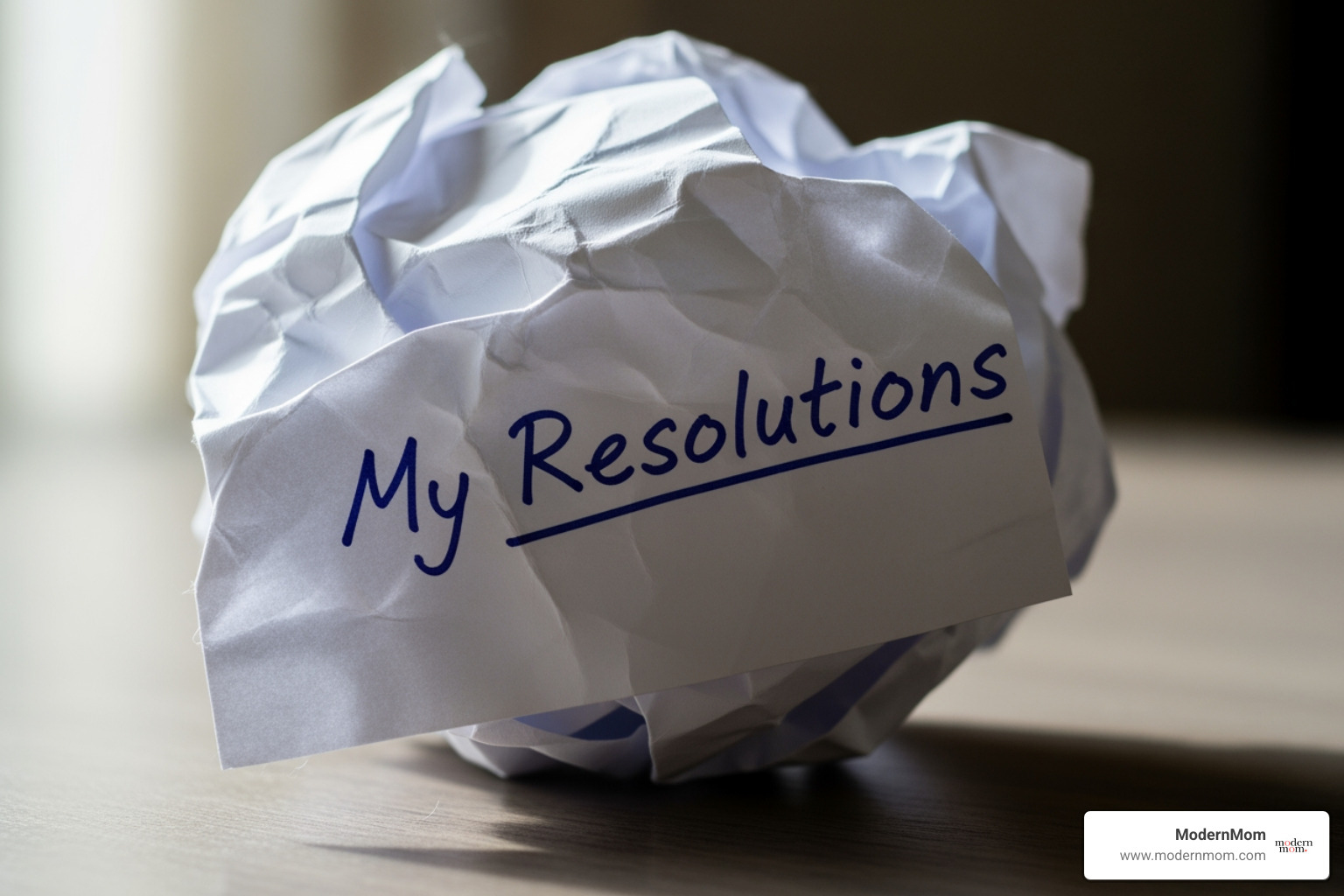
Every year, millions of us enthusiastically declare our New Year’s resolutions, only to find them crumbling by mid-March. Historians believe the tradition of setting a goal each January 1 dates back more than 4,000 years to the Babylonians, who made promises to pay debts or return borrowed objects. While the tradition is ancient, the struggle to stick with it is equally enduring.
So, why do most resolutions fail? Often, it’s because our goals are too vague, too ambitious, or framed in a way that sets us up for failure. We might decide to “lose weight” or “exercise more,” but these broad statements lack a clear path forward. Without a concrete plan and a realistic understanding of human behavior, even the best intentions can fall flat. The problem isn’t our desire for self-improvement; it’s often our approach to achieving it.
Instead of focusing on what we want to eliminate or fix, a more effective strategy is to focus on what we want to add to our lives. Research by Martin Oscarsson, a psychology Ph.D. student at Stockholm University, suggests that approach-oriented goals (like “I’ll take mindful breaks outdoors” instead of “I’ll quit smoking”) are significantly more successful. This simple shift in perspective can make all the difference, changing a daunting task into an inspiring journey.
The core difference between setting goals and establishing New Year habits is that goals are the “what”—the desired outcome—while habits are the “how”—the repeatable actions and systems that get us there. A goal might be to run a marathon, but the habit is putting on your running shoes for 20 minutes every morning. Goals can be inspiring, but habits are the engine of sustained change.
Ditch the All-or-Nothing Mindset
One of the biggest culprits behind resolution failure is the “all-or-nothing” mindset. We set a tough goal, like a 10 p.m. bedtime every night, and the moment we slip up—say, by staying up late to watch an extra episode of a favorite show—we declare ourselves a failure and abandon the entire effort. Researchers call this the “What the hell effect.” It’s a classic trap: “if I mess up one day then the whole thing is pointless,” as one expert notes.
But here’s the secret: persistence matters more than perfection. We don’t need to be flawless; we just need to be consistent in getting back on track. Instead of criticism, we can approach slip-ups with curiosity. What led to that deviation? What can we learn from it? Every day, every moment, can be a reset. Behavioral scientist Katy Milkman suggests that by setting tough goals but giving ourselves one or two “get-out-of-jail-free” cards each week, we can actually achieve better results. This flexibility helps us dodge the “What the hell effect” and maintain momentum, even when life gets in the way.
Focus on the Feeling, Not Just the Finish Line
This year, let’s reframe our approach from rigid resolutions to gentle intentions. Instead of saying “I will lose 10 pounds,” we can say “I intend to learn what nutritious foods I enjoy cooking and eating, so I can feel more energized and comfortable in my body.” This shift moves us away from a binary pass/fail outcome and towards a continuous personal growth journey. It’s about aligning our New Year habits with our broader life goals and how we want to feel each day.
When we focus on intentions, we’re asking ourselves, “What kind of person do I want to be?” This allows us to build habits that contribute to our overall well-being, focusing on feelings like peace, contentment, and self-acceptance, rather than just hitting a number on the scale or a dollar amount in the bank. This approach is more compassionate and sustainable, especially for busy moms navigating the beautiful chaos of family life. ModernMom is all about helping you choose the path you want to follow, and that starts with understanding your true intentions.
5 Science-Backed Secrets for Building Lasting New Year Habits
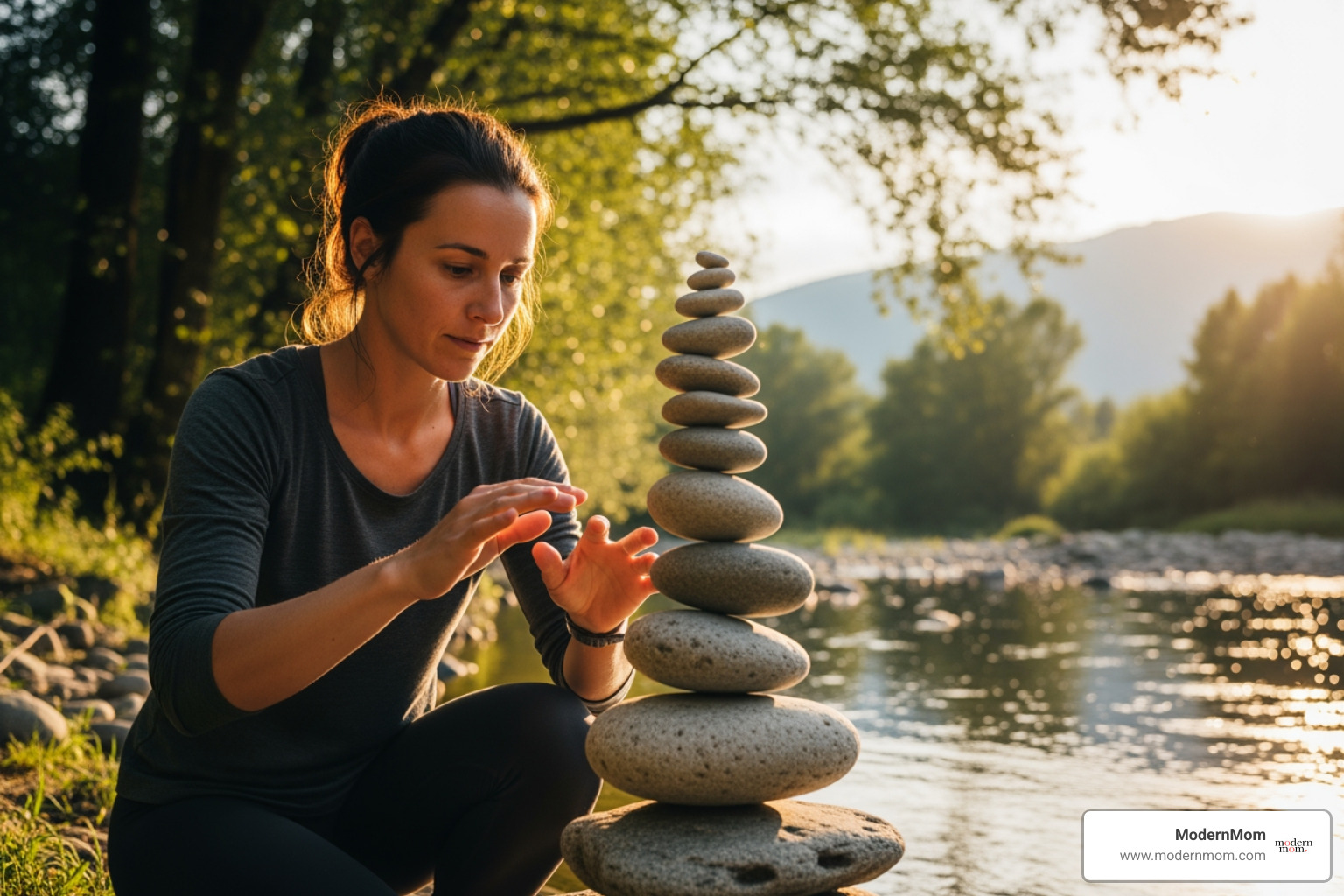
Building lasting New Year habits isn’t about willpower alone; it’s about smart strategies backed by behavioral science. We want to set ourselves up for success, not just wish for it. Here are five science-backed secrets that can help us make those positive changes stick, turning our aspirations into effortless routines. These strategies focus on making small, incremental changes that build real momentum over time.
1. Start “Tiny” to Win Big
One of the most effective strategies comes from Dr. BJ Fogg, a social science research associate at Stanford and author of “Tiny Habits: The Small Changes That Change Everything.” His core idea? Make your desired habit “radically tiny.” We’re talking about actions so small they feel almost silly, like flossing one tooth, reading one paragraph, or doing two push-ups. The goal isn’t to achieve a massive outcome immediately, but to build consistency and create a feeling of success.
This “tiny habits” approach echoes James Clear’s concept of “atomic habits”—small, seemingly insignificant changes that compound over time to produce remarkable results. For busy moms, this is a game-changer. We can’t always overhaul our entire routine, but we can certainly find 60 seconds to do something tiny. This builds momentum and confidence, proving to ourselves that we are the kind of person who does what they say they will do. It’s a powerful foundation for bigger changes, and it fits perfectly into our already packed schedules. For more ideas on how to maximize your time, check out our Time-Saving Tips for Busy Moms.
2. Use “Habit Stacking” and Environmental Cues
Ever tried to remember to do something new, only to have it completely slip your mind? We’ve all been there! That’s where habit stacking comes in. This technique involves linking a new behavior to something you already do every single day. The formula is simple: “After I [current habit], I will [new habit].” For example, “After I start the coffee maker, I will put away one dish.” Or “After I brush my teeth, I will do ten push-ups.” This leverages existing routines as cues for new actions, making them much harder to forget.
Beyond habit stacking, we can also design our environment for success. Research shows that adding a clear cue to our plan helps us remember when to act. Want to read more? Keep a book on your pillow. Aiming to exercise? Lay out your workout clothes the night before. By curating our physical space, we make it easier for our brains to trigger the desired behavior. It’s about making the healthy choice the easy choice, reducing the reliance on sheer willpower.
3. Make It Fun with “Temptation Bundling”
Let’s be honest: healthy habits only last if we actually enjoy them. If our workouts or study sessions feel like a chore, we’re far less likely to stick with them. The good news? We can make the process enjoyable through a technique called “temptation bundling.” This means pairing an activity we should do with an activity we want to do.
For instance, only allowing ourselves to listen to our favorite podcast while taking a walk, or only watching that must-see show while on the treadmill. One research study found that this approach significantly increased persistence in goal pursuit. It transforms a perceived obligation into a rewarding experience. Who says self-improvement can’t be fun? For more ideas on how to inject joy into your daily life, explore our Easy Ways for Moms to Have More Fun.
4. Build a Support System
We don’t have to go it alone. Building a support system is a powerful way to stick to our New Year habits. This can involve sharing our goals with a friend, finding an accountability partner, or joining a community. Studies show that spending time around high achievers can actually boost our own performance. Even coaching friends with shared goals can improve our success rate, as it forces us to reflect on our strategies and boosts our self-confidence.
For an extra layer of accountability, we can explore commitment devices. These are tools or agreements that make it harder to back out of our intentions. Websites like StickK.com allow us to put money on the line, with penalties if we don’t meet our goals. The logic is simple: incentives change our decisions, and financial penalties can be incredibly motivating. Don’t be ashamed to ask for help or leverage these tools—even the Stoic philosopher Marcus Aurelius noted, “Don’t be ashamed to need help.”
5. Plan for Slip-Ups (and Give Yourself Grace)
No one is perfect, and setbacks are a normal, even expected, part of any habit-building journey. The key is to plan for them. Instead of letting one missed day derail your entire effort, build in “get-out-of-jail-free” cards. This might mean allowing yourself one or two days a week where you ease up on a strict routine. This flexibility helps prevent the “What the hell effect,” where a minor deviation leads to complete abandonment.
If we do slip up, the most important thing is self-compassion. Instead of beating ourselves up, we can acknowledge the mistake, learn from it, and gently get back on track. As the saying goes, “fall down seven times, get up eight.” Our journey toward positive New Year habits isn’t about flawless execution; it’s about consistent effort and treating ourselves with the same kindness and understanding we’d offer a dear friend.
Inspiring New Year Habit Ideas for a Happier, Healthier You
Now that we know the science behind sticking to our New Year habits, let’s explore some inspiring and actionable ideas. These aren’t rigid rules, but gentle suggestions for positive changes we can accept for our minds, bodies, finances, and even for a bit of global fun!
Positive New Year Habits for Your Mind and Body
When it comes to health, let’s focus on adding good things rather than restricting ourselves.
- Nourish with Whole Foods: Instead of “dieting,” we can aim to incorporate more whole foods into our meals. Research shows that a whole-foods-based diet can significantly reduce heart disease risk factors, improve blood sugar, and decrease the risk of type 2 diabetes. Let’s think about adding vibrant fruits, vegetables, nuts, seeds, and whole grains.
- Boost Your Produce Intake: Numerous studies highlight that a diet rich in fruits and vegetables protects against various illnesses, including diabetes, heart disease, and certain cancers. We can start small: add an extra serving of veggies to dinner, or make a fruit smoothie for breakfast.
- Prioritize Sleep: All our other habits become irrelevant if we don’t have the energy to do them. Aim for 7-8 hours of quality sleep each night. This crucial habit supports everything from mood regulation to cognitive function and is foundational for overall well-being.
- Move Your Body Joyfully: Instead of “exercising,” let’s find physical activities we genuinely enjoy. Whether it’s dancing with our kids, taking brisk walks, or trying a new fitness class, engaging in strenuous exercise builds resilience and improves our physical and mental health.
Financial Habits Framed with Positive Intention
Financial goals often feel restrictive, but we can reframe them with positive intentions.
- Save for a Dream: Instead of “spending less,” let’s save for something exciting, like a family vacation, a home renovation, or a special experience. Tying our savings to clear and exciting outcomes makes the process much more motivating.
- Automate Small Wins: Set up automatic transfers of even a small amount—say, $20 or $50—into a savings account each payday. These small, consistent actions build an emergency fund, which is crucial for financial security. If unexpected expenses arise, temporarily reducing the amount is better than stopping altogether.
- Cultivate an Abundance Mindset: Rather than focusing on what we can’t buy, let’s appreciate what we have and the resources available to us. This positive framing can reduce financial stress and open us up to new possibilities.
Fun New Year Habits Inspired by Global Traditions
Why not borrow a little luck and joy from around the world to inspire our New Year habits?
- Eat 12 Grapes for Luck (Spain): In Spain, people eat one grape at each of midnight’s 12 clock chimes, believing it guarantees a lucky year. It’s a fun, quick tradition that brings good fortune!
- Jump Seven Waves for Wishes (Brazil): Brazilians on the beach jump over seven waves, making a wish with each one, to increase their luck and connect with divine spirits.
- Run with an Empty Suitcase for Travel (Colombia): If we dream of a year filled with travel, we can emulate Colombians who run around the block with an empty suitcase at midnight. It’s a whimsical way to manifest adventure!
- Wear Polka Dots for Prosperity (Philippines): In the Philippines, wearing polka dots on New Year’s Eve is believed to attract prosperity, as the round shapes symbolize coins and wealth.
Frequently Asked Questions about New Year Habits
We often have common questions when it comes to adopting New Year habits. Let’s tackle some of them.
How long does it really take to form a new habit?
This is a common question, and the answer is: it varies! While popular myths suggest 21 days, recent research indicates that habit formation can take anywhere between 18 and 254 days. The time frame depends on the complexity of the habit and individual differences. Some people adopt new habits faster, and simple actions, like drinking a glass of water daily, will become automatic quicker than complex ones, like learning a new language. The key is consistency, not speed. Don’t get hung up on the number; focus on showing up for your new habit every day.
What’s the difference between a habit and a resolution?
This is crucial for our success! A resolution is typically a goal—a desired outcome or a fixed point we want to reach (e.g., “I will lose 10 pounds”). It’s the “what.” A habit, on the other hand, is the repeatable action or system that helps us achieve that goal (e.g., “I will take a 20-minute walk every morning”). It’s the “how.” Resolutions are often binary (succeeded or failed), while habits are about consistent effort and process. By focusing on building sustainable habits, we create the pathway to achieve our broader resolutions and intentions.
What if I’ve already “failed” my resolution?
You haven’t failed; you’ve simply gained valuable information! Many of us feel this way by mid-January, but the beauty of human psychology is the “fresh start effect.” Research shows that new beginnings—like a new month, a birthday, or even just a Monday—can re-motivate us to tackle our goals. This allows us to turn the page on past failures and start anew. So, if you’ve stumbled, don’t dwell on it. Practice self-compassion, learn from what happened, and pick any day to start again. Today, this Monday, or your next birthday can be your new New Year’s Day.
Conclusion: Your Best Year Starts with One Small Step
This year, let’s redefine our approach to New Year habits. It’s not about drastic overhauls or self-punishment; it’s about cultivating small, sustainable changes that bring us closer to the vibrant, joyful life we envision. By focusing on intentions, embracing tiny habits, building support systems, and forgiving ourselves for slip-ups, we can create lasting change without the pressure.
Progress, not perfection, is our goal. Each small step we take is a victory, building momentum and confidence for the journey ahead. We’re here to support you every step of the way.