
Identifying Recurring Fever in Children
Almost every child will get a fever, a body temperature over 100 degrees F, at some point. Usually, the fever clears up within a day or two. If your child frequently has a fever or has one without an accompanying infection, it may be a sign of a serious condition.
Symptoms
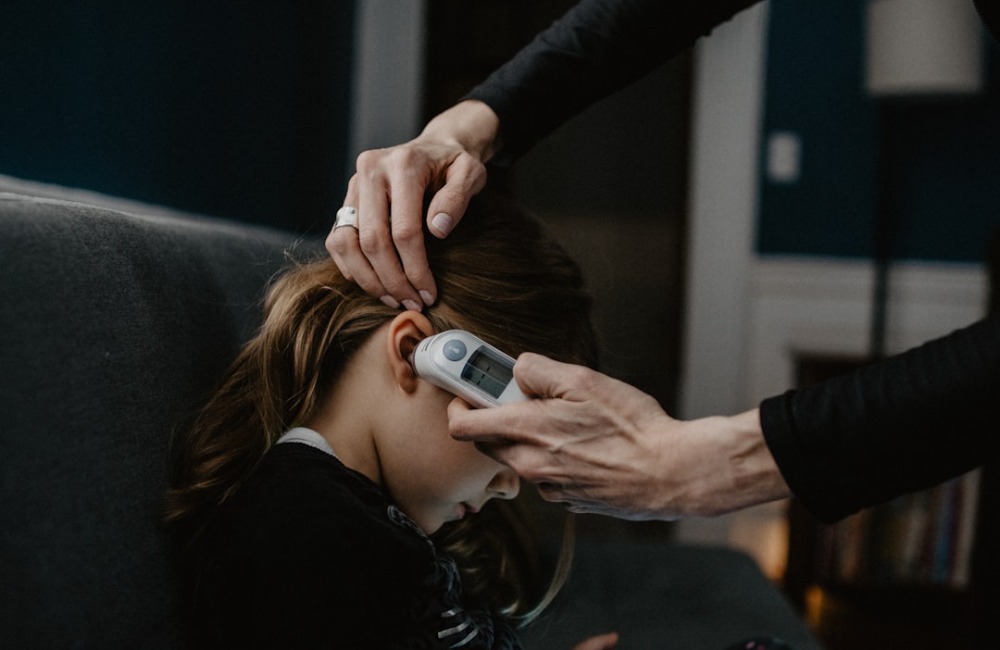
The most obvious symptom of a fever is an elevated body temperature, measured with a thermometer. Accuracy varies based on where you take a child’s temperature. A child with a rectal temperature of 100 degrees F has a fever, and a child with an armpit temperature of 99.5 degrees F also has a fever. Other common symptoms of a fever include irritability and a lack of interest in activities.
Types and Causes
Recurring fever can occur over the course of a single illness or involve several separate infections, each with fever as a primary symptom. In some cases, your child’s recurrent fever could be due to an autoimmune disorder, such as lupus, according to Dr. Sarah S. Long, writing in Pediatric Clinics of North America. Your child may also have been exposed to a rare infection, such as malaria. Chronic infections, such as recurrent urinary tract infections or sinus infections, can also lead to recurrent fevers, according to Long.
Periodic Fever
Sometimes, a recurring fever may be a sign of a serious condition that is not caused by an infection. A child whose fevers recur at regular intervals, as if following a specific schedule, may have a periodic fever syndrome, such as familial Mediterranean fever, periodic fever, aphthous stomatitis, pharyngitis, adenitis (PFAPA) or cyclic neutropenia, according to the Cleveland Clinic. Periodic fever syndromes usually run in families, and some have specific symptoms in addition to fever. PFAPA is the most common, according to Long.
Diagnosing and Testing for Periodic Fever
Although it is the most common, there is no test for PFAPA. Your doctor may diagnose your child with the syndrome if he experiences more than three episodes of fever that last for five days, as well as a sore throat, mouth sores and swollen lymph nodes, according to the Merck Manual. Familial Mediterranean fever and other genetic syndromes are usually diagnosed through blood and genetic testing, as well as by examining the family history and a patient’s symptoms.
Treatment
Treatment options vary, depending on the cause of your child’s recurring fever. In some cases, your child’s immune system will simply develop enough to ward off infections that cause fevers. If the fevers are caused by an autoimmune condition, he will need medications designed to treat the condition. In some cases of periodic fevers, such as PFAPA, your child may simply outgrow the syndrome, according to the Merck Manual. Anti-inflammatory colchicine can help treat other syndromes.