
Search Results for: humidifier
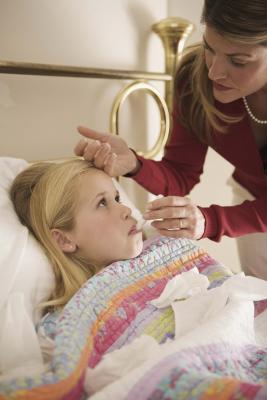
Swollen Tonsils in Kids
Common childhood illnesses often affect the throat, causing the tonsils to swell and redden. Viruses and bacteria can make your child’s tonsils swell, as well as increase his risk of developing other symptoms. While swollen tonsils can cause discomfort, certain practices can help ease the pain. Depending on the extent of his symptoms, your child may need to see his pediatrician.
Dry Skin Treatment for Kids
Dry skin leaves many children itchy and uncomfortable. The winter months are often tough on everyone’s skin, including children. The air is drier in general, and home heating systems adds to the dryness. Sun exposure and chlorine or salt pool water contribute to dry skin in the summer. No matter what the cause, treating your child’s skin prevents further skin irritation and prevents additional dryness.
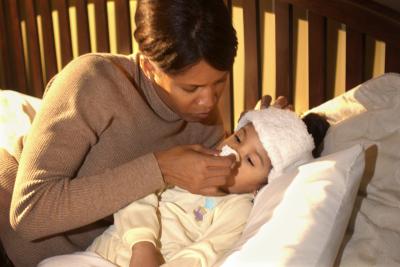
Cough Medicine for Toddlers
It’s hard as a parent to see your toddler coughing, especially if that coughing is keeping her up at night. You might be tempted to reach for some cough medicine to help her sleep. It’s important, however, to resist the urge to treat your toddler’s cough with over-the-counter medications. In 2008, the U.S. Food and Drug Administration issued a warning that cough and cold medicines marketed for children can have serious side effects in children under the age of 2.

Recurring Cough in Children
It’s normal for children to cough once in a while, but a recurring cough can be alarming for both you and your child. Recurring coughs are defined as those that last for a long time or return again and again, according to DrPaul.com. Recurring coughs are a symptom, which means they have an underlying cause. The key to stopping the coughing is to find and treat the cause.
Cures for Bad Breath in Children
Everyone’s breath smells unpleasant from time to time, particularly early in the morning or after eating foods such as onions and garlic. If you notice that your child’s breath smells bad throughout the day, you may need to take a few steps to improve his oral hygiene. In some cases, your child will need treatment for an underlying condition to improve his halitosis, or bad breath.