
Search Results for: reliable
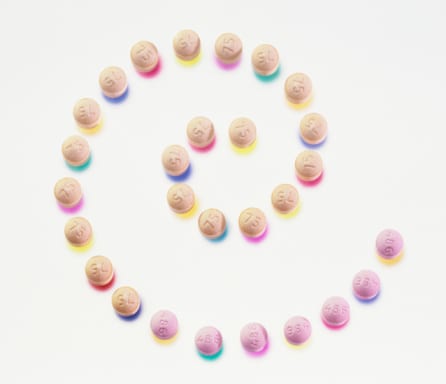
Which Is the Best Birth Control Pill?
Advertising on television, in magazines and in your doctor’s office claims nearly every birth control pill is the best. In truth, the best birth control pill is the one with the fewest negative side effects when you are using it. From an effectiveness perspective, combination pills are much the same, but hormone dosages and even the types of hormones can vary dramatically changing how you feel on the pill. Go in armed with information and, with help from your doctor, you can choose the best birth control pill for your body and needs.
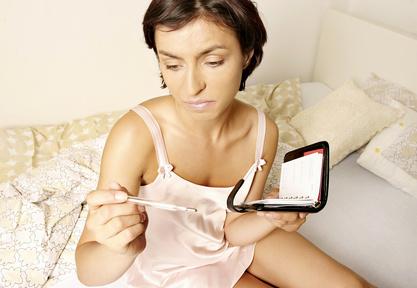
Early Pregnancy Tests Before a Missed Period
Pregnancy tests measure levels of human chorionic gonadotropin (hCG). Since hCG is produced by the placenta, it is only present in pregnant women. The anticipation of being pregnant makes it difficult for some women to wait until a missed period to take a pregnancy test. If you are one of these women, several pregnancy tests are marketed as being able to detect a pregnancy before a missed period. Although having this option may be a blessing, it may also add to your anxiety, depending on the results.
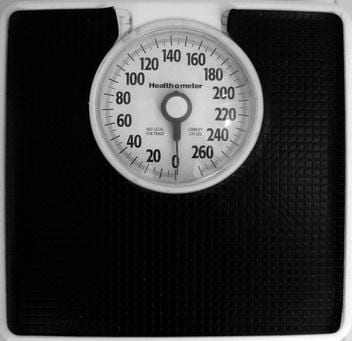
Hoodia Weight Loss
Whether you have just had a baby and you want to lose the last remaining pounds, or you are overweight and want to be able to chase your kids around, you may have considered hoodia. Billed as a natural weight loss formula, the University of California at Berkeley Wellness Guide reports that scientific research by the national laboratory in South Africa supports an appetite-suppressing ingredient in the plant, but there are some things to consider before ordering hoodia weight loss pills.
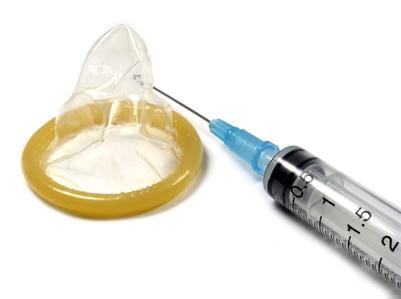
What Are Some Birth Control Methods?
America’s history is full of women fighting for the rights to control their bodies. Many historically significant women, including activist Margaret Sanger, and other women’s rights activists since have worked to ensure that women have a right to control their own bodies and prevent pregnancy, reports the Legacy 98 website, a women’s rights advocacy and history organization. As a woman today, you have not one but many options when it comes to pregnancy prevention. As you select your birth control method, explore your options carefully. Choose the one that is right for you to ensure that you wait until you are ready to start that family.
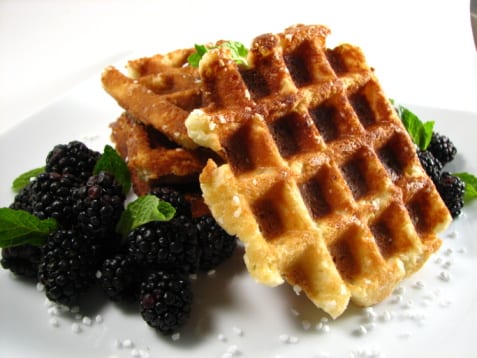
10 Super Easy Ideas for the Morning Rush
While all sorts of nutrition fads come and go, one thing will never change: Breakfast is the most important meal of the day. Children who eat breakfast perform and behave better in school (because theyre not hungry and cranky), consume more calcium, fiber and vitamins than those who skip breakfast, and tend to eat less fat and cholesterol than their friends who miss this valuable meal. Breakfast eaters tend to have healthier body weights, and this is true for adult men, women and children in all age groups. Of course, were all focused on the quality of our childrens school lunches right now, but those menus will take time to change. One simple thing you can do to instantly improve your childs health is to put breakfast on the table (or in his hands as he races out the door). Sound like a challenge? Its not, with a little planning and some creativity.