Why Good Hygiene Starts Now — and How This Guide Helps
Every parent knows the drill: “Did you wash your hands?” It’s practically the toddler years’ unofficial motto. A solid toddler personal hygiene guide covers the exact habits your little one needs — and here’s a quick snapshot before we dive in:
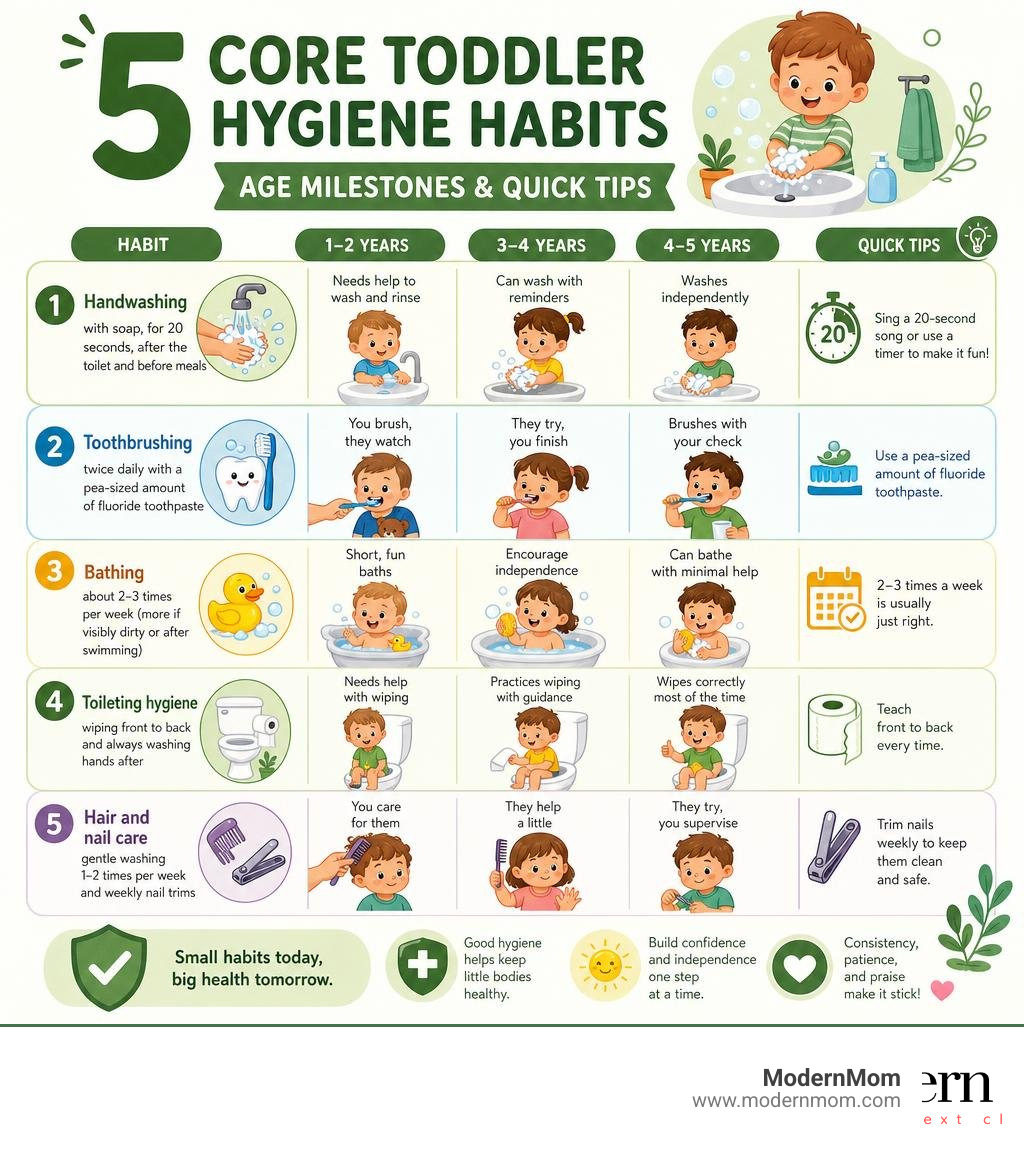
The 5 core toddler hygiene habits to start building now:
- Handwashing — with soap, for 20 seconds, after the toilet and before meals
- Toothbrushing — twice daily with a pea-sized amount of fluoride toothpaste
- Bathing — about 2-3 times per week (more if visibly dirty or after swimming)
- Toileting hygiene — wiping front to back and always washing hands after
- Hair and nail care — gentle washing 1-2 times per week and weekly nail trims
These aren’t just about keeping your toddler clean. According to health experts, handwashing alone can reduce the risk of respiratory infections in children by up to 23%. And children who build good hygiene habits early are 30% less likely to miss school due to illness. That’s a big payoff for some soap and a step stool.
The good news? Toddlers between ages 1 and 5 are at a perfect developmental stage to start absorbing these routines — especially when they’re made fun, consistent, and age-appropriate. They want to do things themselves (“I can do it!” is basically their battle cry), and that independence drive is your best tool.
Key terms for toddler personal hygiene guide:
Why Early Cleanliness Matters: The Toddler Personal Hygiene Guide
Teaching our little ones how to care for their bodies is about so much more than just preventing sticky fingers and messy faces. When we establish these routines early, we are protecting their health, boosting their social confidence, and laying down the foundation for lifelong self-respect.
Young kids usually don’t understand why they need to wash their hands or brush their teeth. To a two-year-old, germs are invisible mysteries, and stopping playtime to bathe feels like a punishment. But by framing hygiene as a normal, positive part of daily life, we help them build confidence and motor skills.
A great way to approach this is to look at hygiene as a series of developmental milestones. Here’s a quick look at what we can expect across the toddler and preschool years:
| Age Range | Handwashing Milestones | Dental Care Milestones | Toileting & Bathing Milestones |
|---|---|---|---|
| Toddlers (1–2 Years) | Washes hands with maximum assistance; loves playing in water. | Cooperates with parents brushing their teeth; starts using a toothbrush. | Transitions to the big tub; sits up independently with close supervision. |
| Older Toddlers (2–3 Years) | Reaches for soap; can wash hands with help using a step stool. | Mimics brushing motions; starts learning to spit out toothpaste. | Begins showing interest in the potty; helps wipe with supervision. |
| Preschoolers (3–5 Years) | Washes hands independently for 20 seconds; knows when to wash. | Brushes with supervision; uses a pea-sized amount of fluoride toothpaste. | Manages basic wiping (front-to-back); helps wash their own body. |
As you guide your child through these stages, visual resources like this personal hygiene for kids in pictures from the Raising Children Network can make a world of difference. Seeing other kids complete these tasks helps normalize the routine and makes it feel achievable.
Core Hygiene Habits and How to Make Them Fun
The secret to teaching hygiene to a toddler is simple: make it a game. If a routine feels like a chore, you will meet resistance. But if it feels like playtime, your toddler will actively look forward to it.
Handwashing and Germ Busting: A Toddler Personal Hygiene Guide to Clean Hands
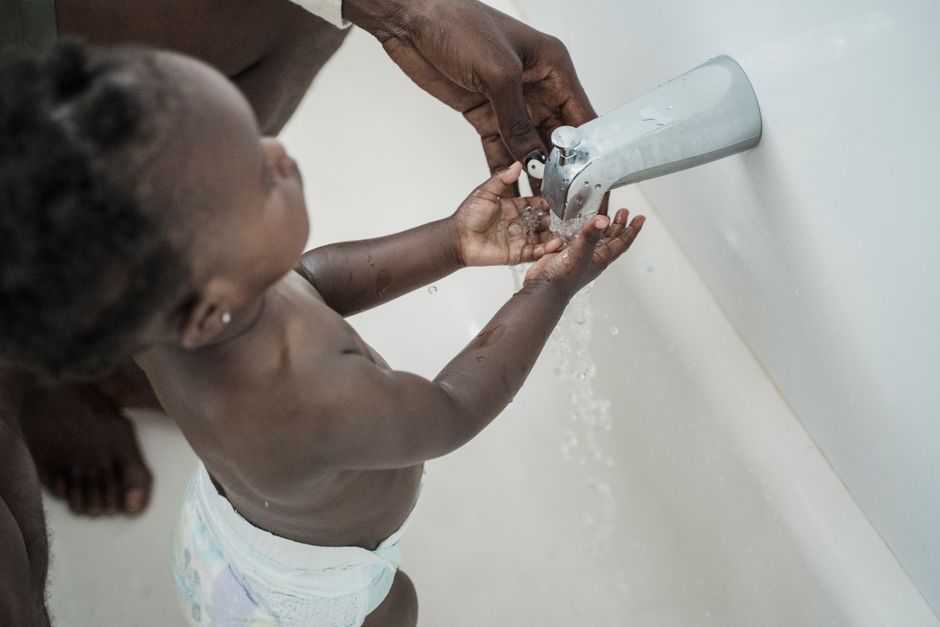
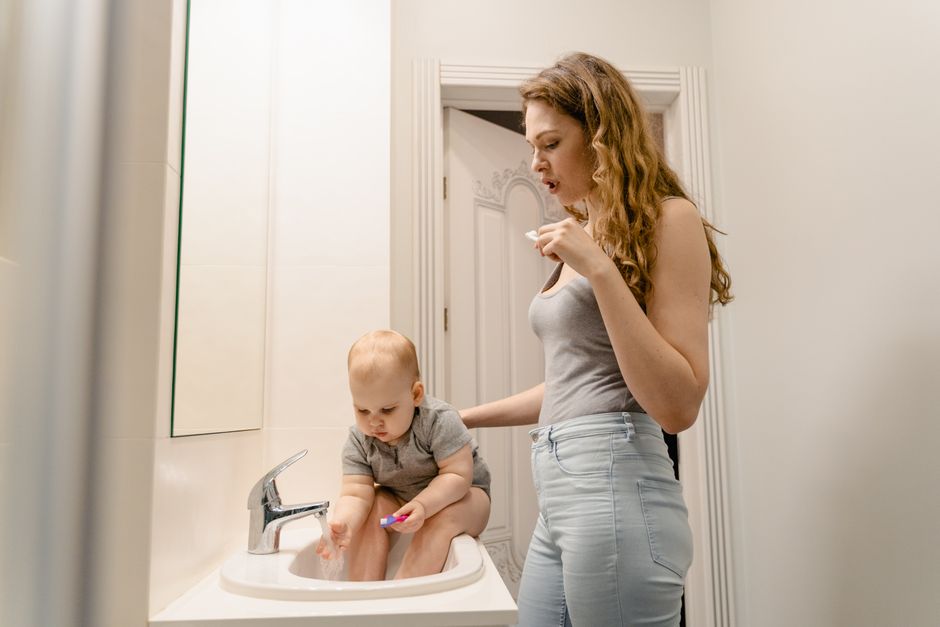
Handwashing is our first and best line of defense against illness. In fact, teaching children to wash their hands with soap for 20 seconds can remove up to 98% of germs.
To make this habit stick, try using foam soap, which is much easier and more tactile for small hands to manipulate than liquid or bar soap. Teach them to scrub the backs of their hands, between their fingers, and under their nails.
To help them track the time without a clock, sing the “ABC Song” or “Happy Birthday” twice through. You can find more structured, bite-sized daily habits in this step-by-step parent guide to teaching personal hygiene on Toilet Cover Guide.
Toothbrushing and Dental Care: Your Toddler Personal Hygiene Guide to Bright Smiles
Did you know that brushing twice daily with fluoride toothpaste can reduce childhood tooth decay by up to 24%? Pediatric dentists recommend starting oral hygiene as soon as that very first tooth pops up.
For kids under three, use a tiny smear of fluoride toothpaste (about the size of a grain of rice). For kids aged 3 to 5, upgrade to a pea-sized amount.
Because young children lack the manual dexterity to clean their teeth thoroughly, we should let them take the first turn brushing to build their confidence, and then finish up the job for them. Keep the mood light by hosting a two-minute dance party or using a colorful sand timer. For official age-appropriate guidelines, check out the Thrive professional resource from Penn State.
Bathing, Hair Care, and Skin Health
Toddlers don’t actually need to bathe every single day unless they’ve spent the afternoon rolling in the mud. In fact, bathing about three times a week is usually plenty to keep their skin healthy without drying it out.
On off-bath nights, a quick wipe-down of their face, hands, and diaper area with a warm washcloth works wonders. Keep hair washing to just 1 or 2 times a week using a gentle, tear-free shampoo to preserve natural oils and support healthy toddler hair growth.
To make bath time easier, you can turn non-shampoo nights into a game using two bowls of water and a washcloth, as suggested in this guide to teaching personal hygiene on Sanford Health News.
Toileting and Genital Cleanliness
Potty training is a huge milestone, and teaching proper bathroom hygiene is a crucial part of the process. For girls, always teach them to wipe from front to back to prevent urinary tract infections. For boys, keep the cleaning simple and gentle. If your son is uncircumcised, never force back the foreskin; it will retract naturally over time.
To set your toddler up for success, dress them in easy-to-remove clothing with elastic waistbands. This reduces accidents and builds their confidence. For a complete list of simple habits you can introduce during toilet learning, take a look at these tips on promoting toddler hygiene habits from Montessori Marbles.
Setting Up a Montessori-Inspired Bathroom for Independence
If we want our toddlers to practice hygiene independently, we have to make the environment accessible to them. Most bathrooms are designed entirely for adults, which can make basic tasks feel impossible for a two-year-old.
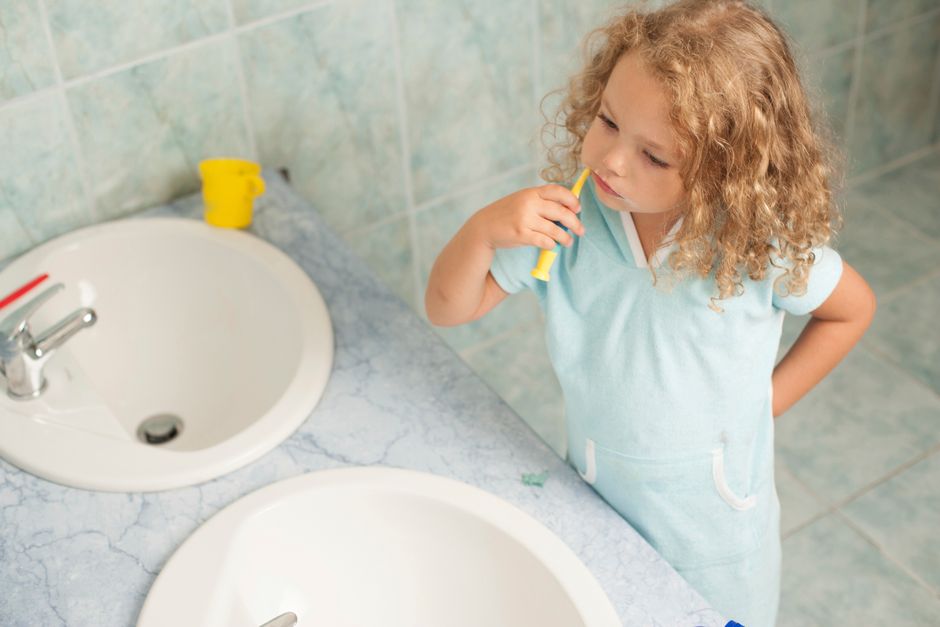
A few minor, thoughtful changes can transform your bathroom into a child-friendly space:
- A Sturdy Step Stool: This allows your child to safely reach the sink and look in the mirror.
- A Low Towel Hook: Hang a small hand towel at your toddler’s chest height so they can dry their own hands.
- The “Care of Self” Tray: Keep a small tray at child-height with their toothbrush, a small cup for rinsing, a hairbrush, and a washcloth.
- A Shatterproof Mirror: Mount a small, safe mirror at your child’s eye level so they can see their own face while brushing and combing.
By setting up a dedicated space, you give your child physical ownership of their routines. For a complete walkthrough on creating this setup, check out this excellent guide on how to set up a Montessori bathroom for your toddler on Montessori Theory.
Overcoming Common Toddler Hygiene Challenges and Safety Risks
It’s completely normal to run into roadblocks. Some toddlers develop sudden sensory sensitivities to the taste of toothpaste or the feeling of water on their faces. Others might experience a temporary hygiene regression during times of transition, like moving to a new house or welcoming a new sibling.
When resistance happens, take a deep breath and avoid turning the routine into a power struggle. Use positive reinforcement, like sticker charts or small rewards, to celebrate their efforts.
Safety should always be our top priority. Never leave a child under five unattended in the bath, even for a second, as toddlers can drown in just a few inches of water. Make sure your home’s water heater is set to a maximum of 120°F to prevent accidental scalds.
Quick Hacks for Resistant Toddlers:
- Let Them Choose: Let your toddler pick out their own toothbrush, toothpaste flavor, or soap scent to build excitement.
- The “Superhero Shield” Game: Teach them to cough or sneeze into their elbow by calling it their “superhero shield.”
- The Jacket Flip: Teach them to put on their own coat by laying it on the floor, slipping their arms in, and flipping it over their head.
- Use Visual Schedules: Hang simple picture cards showing the steps of the morning routine so they know exactly what to expect.
Frequently Asked Questions about Toddler Hygiene
How often should my toddler take a bath?
Most toddlers only need a bath 2 to 3 times per week. Daily baths aren’t necessary unless they are visibly dirty, sweaty, or have been swimming. If your toddler has dry skin or eczema, short baths in lukewarm water followed immediately by a gentle moisturizer can actually help keep their skin hydrated.
When can my child start brushing their teeth completely on their own?
While toddlers can start practicing brushing around age 3, they do not have the motor skills to clean their teeth thoroughly on their own until they are about 7 or 8 years old. Always supervise their brushing and do a quick follow-up clean to make sure they haven’t missed any spots.
What should I do if my toddler hates getting their hair washed?
This is a very common fear! Try giving them a dry washcloth or a pair of swim goggles to hold over their eyes to keep the soapy water out. You can also let them hold a small plastic cup to practice pouring water on their own shoulders, which helps them feel more in control of the process.
Conclusion
At the end of the day, teaching our toddlers personal hygiene is a journey that requires plenty of patience, consistency, and love. There will be messy days, missed steps, and sudden refusals—and that is completely okay! By keeping the routines positive, supportive, and fun, we are helping our children build healthy habits that will serve them for the rest of their lives.
For more practical parenting tips, pediatric safety guides, and daily encouragement, explore our resources on ModernMom or read our comprehensive guide on baby sleep safety. You’ve got this, mama!