Why Toddler Hand Washing Feels Like a Battle (And How to Win It)
If you’ve ever tried to get a toddler to the sink without a full-blown meltdown, you already know — fun hand washing games aren’t just a nice idea, they’re a survival strategy.
Here are the most effective hand washing games for toddlers you can start using today:
- Bubble Challenge – See who can make the most bubbles while lathering up
- Germ Tag – Sprinkle glitter on hands as “germs” and race to wash them all off
- Pass the Germ – A circle game set to “Ring Around the Rosie” where kids pass a pretend germ
- Superhero Adventure – Kids become heroes fighting invisible germ monsters with magical soap
- Sing & Scrub – Sing “Happy Birthday” twice (or another 20-second song) while washing
- Cocoa Powder Experiment – Dust hands with cocoa powder to show how soap removes germs
- Online Games – Digital hand washing trainers that gamify the WHO’s recommended steps
Getting toddlers to wash their hands consistently is one of those small parenting challenges that somehow feels enormous in the moment. The sink becomes a stage for negotiations, tears, and the occasional dramatic floor collapse. And yet, the stakes are real — proper handwashing can reduce the risk of respiratory infections by up to 23%, and kids who learn through play show 30% better compliance than those taught through instruction alone.
The good news? You don’t need to fight this battle. You just need to make it a game.
Renee Kemper is a digital marketing strategist and mom who has spent years helping family-focused brands connect with parents through practical, story-driven content — including creating resources around fun hand washing games and everyday child health habits. She’s rounded up the best games, songs, and tricks so you can spend less time wrestling at the sink and more time on everything else.
Why Gamifying Hygiene is a Game-Changer for Toddlers
When we tell a toddler, “Wash your hands because of germs,” we might as well be speaking a foreign language. Germs are invisible, and to a three-year-old, the concept of future illness is completely abstract.
By turning hand hygiene into play, we tap into how young minds actually learn. Studies show that children who learn proper handwashing techniques through games demonstrate 30% better compliance rates. It turns a clinical chore into a fun sensory experience.
Instead of rushing our kids through their developmental milestones, we can use these moments to build lifelong habits. In fact, rushing through daily tasks often causes more resistance, a topic we dive into in our guide on Why Are We Rushing Our Kids?. Taking an extra minute to play a game at the sink actually saves us time in the long run by preventing tantrums.
Beyond germ prevention, scrubbing and rubbing those little hands together works wonders for their physical development. The precise movements required to lather soap, clean between fingers, and wiggle thumbs are excellent for building fine motor skills and hand-eye coordination.
The Best Fun Hand Washing Games to Play at the Sink
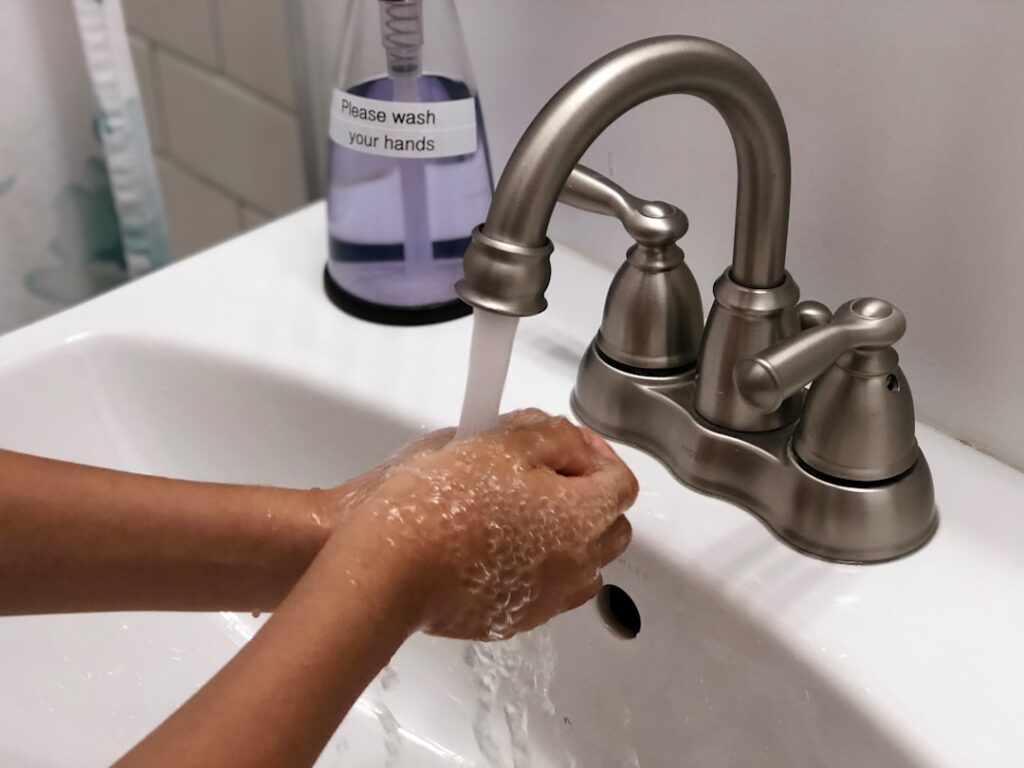
The bathroom sink is the perfect stage for sensory play. To make handwashing a breeze, we can introduce playful challenges that naturally align with World Health Organization (WHO) guidelines.
The WHO recommends scrubbing for at least 20 seconds, which is exactly how long it takes to complete these playful missions. Here are a few favorites you can try today:
- The Bubble Challenge: Challenge your toddler to see who can build the biggest, fluffiest “soap gloves” or create the most bubbles while rubbing their palms together.
- Germ Tag: Draw tiny “germ monsters” on the back of your child’s hands using a washable marker. Their mission is to scrub, rub, and wash the monsters away until their skin is completely clean.
- The Scent Detective: Keep two or three differently scented liquid soaps at the sink. Have your toddler close their eyes, wash their hands, and guess the “mystery scent” of the day.
For a structured way to guide your little one through this process, check out Wash Your Hands: An Interactive Adventure, which frames the entire routine as an exciting journey.
The “Pass the Germ” Circle Game
If you have multiple children or are hosting a playdate, group games are incredibly effective. The “Pass the Germ” game is a wonderful tool for teaching how easily bacteria can travel from person to person.
Using a classic nursery rhyme format, children sit in a circle and pass a soft toy or ball (representing the “germ”) while singing to the tune of “Ring Around the Rosie.” Whoever is holding the toy when the song ends pretends to “fall down” with a silly sneeze and must go to the sink to wash their hands.
You can find a complete, ready-to-use version of this activity through the Pass the Germ Bacteria Game resource, which makes explaining germ transmission simple and visual for young minds.
Interactive Adventures and Fun Hand Washing Games Online
While we love physical sensory play, digital tools can also be fantastic allies in teaching hygiene habits. Gamified learning platforms can reinforce what we teach at the sink through interactive animations.
For example, the Hand Washing Trainer uses a clever music and bubble-popping mechanic to teach children the exact WHO-recommended handwashing movements. Players trace along “scrub tracks” on screen, turning muscle memory training into an exciting arcade experience.
Another great option is The Joy of Hand Washing Game, a charming clicker game where kids help a character wash their hands while earning virtual rewards and learning real-world hygiene facts. You can also test their knowledge in a classroom or living room setting using the interactive quiz Wash Your Hands! | Baamboozle – Baamboozle | The Most Fun Classroom Games! to make vocabulary learning fun.
Creative Crafts and Activities That Build Fine Motor Skills
If you want to take your hygiene lessons to the next level, try combining handwashing with creative art projects. This keeps kids engaged and gives them a sense of ownership over their daily routines.
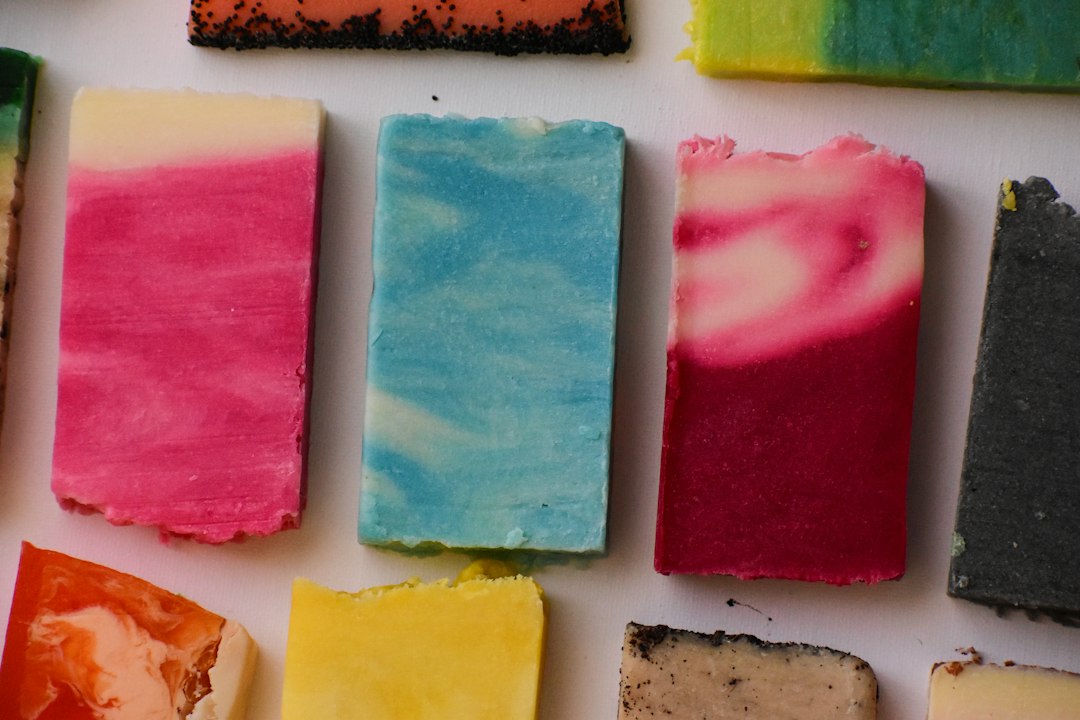
Making your own soap is a brilliant weekend activity. You can melt a clear glycerin soap base, let your toddler stir in safe skin-safe colors or scents, and pour it into molds.
To make it even more exciting, drop a small plastic toy (like a tiny dinosaur or ring) into the center of the mold. Your toddler will be highly motivated to wash their hands frequently to “rescue” the toy trapped inside the soap!
To help you decide which hands-on activity to try first, here is a quick comparison of two popular sensory experiments:
| Activity Name | Materials Needed | Best For | How It Works |
|---|---|---|---|
| Glitter Germs | Hand lotion, fine craft glitter, soap, water | Visualizing germ transfer | Glitter acts as “germs” that stick to lotion and transfer to everything until washed off with soap. |
| Cocoa Powder Test | Cocoa powder, cooking oil, soap, water | Understanding soap’s power | Cocoa powder mixed with oil mimics stubborn dirt that won’t rinse off with water alone, requiring soap to dissolve. |
How to Build a Meltdown-Free Daily Hand-Washing Routine
Winning the handwashing battle isn’t just about the games we play; it is also about setting up our home environment for success. Toddlers crave independence, and much of their frustration at the sink comes from not being able to reach things on their own.
Investing in a sturdy step stool and a fun faucet extender can instantly transform their attitude. When they can reach the water and soap without help, they feel empowered.
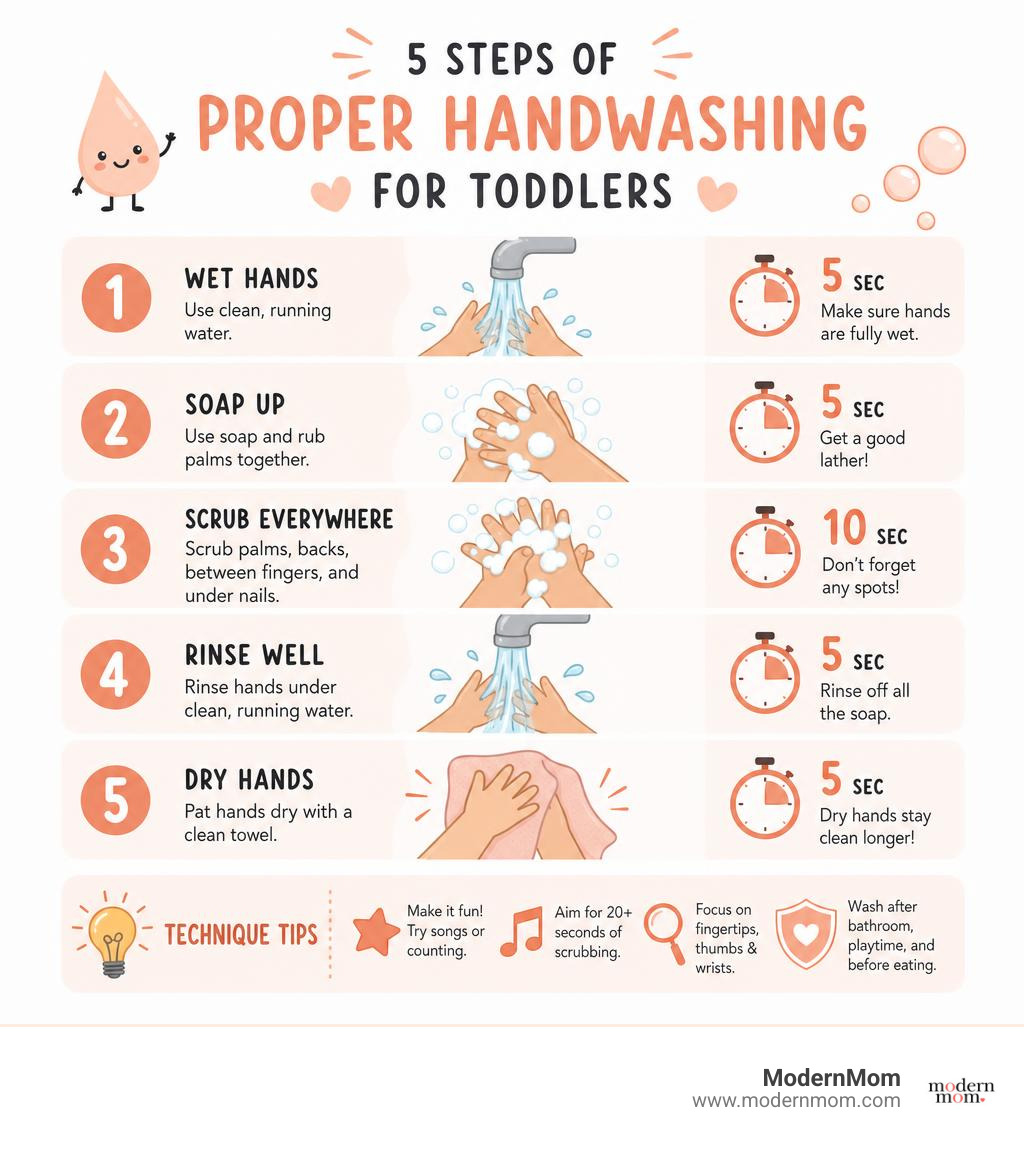
We can also build a simple visual schedule next to the sink using pictures of each step: wet, soap, scrub, rinse, and dry. This helps toddlers know exactly what to expect. This structured, mindful approach to daily habits is similar to how we teach other essential routines, which we discuss in our guide on 8 Ways to Teach Your Kids Mindful Eating.
Singing Your Way to Clean Hands with Fun Hand Washing Games
The easiest way to ensure your toddler scrubs for the full, expert-recommended 20 seconds is to sing. Music is a natural timer that keeps kids focused on the task at hand.
You can sing “Happy Birthday” twice, or adapt the lyrics of “Row, Row, Row Your Boat” to: “Wash, wash, wash your hands, soap will make them clean! Scrubbing here, scrubbing there, cleanest hands we’ve seen!”
If you want to bring some modern pop culture into the bathroom, you can look up the viral #GhenCovyChallenge dance. Originally created to help families learn proper hand hygiene during the pandemic, this fun dance challenge turns the six WHO-recommended hand movements into a catchy, high-energy routine your toddler will love to copy.
Frequently Asked Questions About Toddler Hand Washing
How long should my toddler actually scrub their hands?
According to CDC and WHO guidelines, children and adults should scrub their hands with soap and water for at least 20 seconds. Singing “Happy Birthday” or the “Alphabet Song” from start to finish twice is the perfect built-in timer for little ones.
What is the best way to teach hand hygiene without causing anxiety?
Keep the focus on positive framing. Instead of talking about scary sicknesses or bad bacteria, frame handwashing as a fun superhero adventure. Tell your child that their magical soap bubbles are capture-nets catching the “germ monsters” to send them down the drain.
Can hand sanitizer replace soap and water for toddlers?
While alcohol-based hand sanitizer is a great backup when you are on the go, it should not replace soap and water. Soap and running water are much more effective at removing actual dirt, grease, and certain types of germs that sanitizer cannot kill.
Conclusion
Teaching our little ones healthy habits does not have to be a daily power struggle. By stepping into their world of imagination and using fun hand washing games, we can make the sink a place of laughter rather than tears.
With a little patience, a sturdy step stool, and a collection of silly songs, you will build hygiene habits that last a lifetime. For more practical parenting tips and guides to keeping your little ones safe and healthy, head over to our Modern Mom Baby Sleep Safety Guide.