
Meghan Markle Faces Parenting Criticism Over Lilibet’s Shirt — But Are We Serious?
Meghan Markle parenting criticism has reached a new level of absurdity. After the Duchess of Sussex shared a casual Instagram photo dump featuring glimpses of family life with Prince Harry, Prince Archie, and Princess Lilibet, some online critics immediately turned ordinary childhood details into supposed evidence of something sinister.
The alleged offences? Lilibet’s shirt appeared to have a stain. Her hair, according to some commenters, looked tangled. Harry wore a “Girl Dad” shirt while playing soccer with Archie.
That’s it. That is the scandal.
At some point, it is fair to ask whether people are genuinely concerned about Meghan and Harry’s children, or whether they are simply looking for another reason to criticize Meghan Markle. Because if a child wearing a less-than-perfect shirt in a family photo now qualifies as a public parenting crisis, then nearly every parent on earth is in trouble.
Raise your hand if your child has never had a dirty shirt.
Raise your hand if your child has never had tangled hair.
Raise your hand if your kid has never gone outside looking perfectly presentable and come back ten minutes later looking like they wrestled a hedge, rolled through the grass, ate a snack with their whole body, and used their sleeve as a napkin.
Exactly.
Kids get messy. That is not neglect. That is childhood.
Are We Really Calling a Dirty Shirt Neglect?
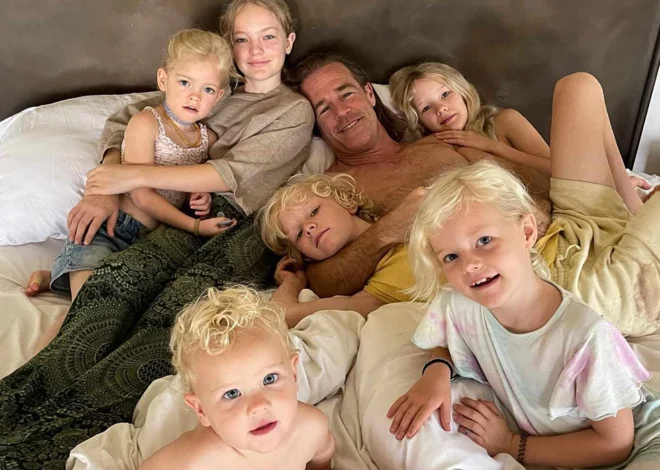
The backlash around Princess Lilibet’s appearance says more about the impossible standards placed on Meghan Markle than it does about her parenting. Children are not meant to look camera-ready every second of their lives. They spill things. They run barefoot. Their hair gets windblown, tangled, sweaty, or stubbornly unbrushed. They wear their favourite shirts even when those shirts have seen better days. (The image being discussed appears as the sixth slide in Meghan’s Instagram carousel.)
View this post on Instagram
Any parent who has ever tried to get a child dressed, brushed, polished, and out the door knows this. Sometimes you win the battle. Sometimes you decide the child is clothed, happy, and safe — and that is good enough.
That is why the outrage feels so performative. A stained T-shirt is not proof of poor parenting. Tangled hair is not evidence of harm. A casual family photo is not a child welfare investigation.
There are serious issues involving children that deserve public concern: abuse, neglect, hunger, poverty, unsafe housing, lack of health care, and the ways children are sometimes exploited online. Reducing those serious concerns to a debate over whether a little girl’s shirt looked clean enough in an Instagram photo cheapens the conversation. It turns real child welfare issues into celebrity gossip.
And that is not advocacy. It is overreach.
Meghan Markle Is Held to an Impossible Standard
The truth is that Meghan Markle is judged by a standard that very few mothers could survive.
If she posts polished photos, she is accused of staging her children. If she posts casual photos, she is accused of making them look unkempt. If she shares family moments, critics say she is exploiting her children. If she keeps them private, people speculate about where they are. If Archie is not shown, she is accused of favouring Lilibet. If Lilibet is shown, she is accused of using her daughter for attention.
There is no winning under that kind of scrutiny.
This is the trap that has followed Meghan for years. Everything she does is interpreted through the least generous possible lens. A photo is not just a photo. A shirt is not just a shirt. A child’s hair is not just a child’s hair. Every ordinary detail is treated like a clue in a conspiracy board.
But children do not exist to satisfy the internet’s standards of presentation. They are not props. They are not miniature brand ambassadors. They are not required to appear perfectly styled so adults online can approve of their mother.
In fact, there is something refreshing about seeing children look like children. Not every family image has to look like a catalogue shoot. Not every childhood moment needs to be curated within an inch of its life. If anything, a casual, imperfect snapshot feels more believable than the hyper-polished version of family life celebrity culture often sells.
Yet when Meghan shares something that appears even slightly ordinary, it becomes another reason to attack her.
The Prince Harry “Girl Dad” Shirt Criticism Makes No Sense
Then there is the criticism of Prince Harry’s “Girl Dad” shirt.
Some commenters apparently took issue with Harry wearing a shirt that referenced being a girl dad while he was playing soccer with his son, Archie. The implication seemed to be that this somehow ignored Archie or was unfair to him. (The image being discussed appears as the third slide in Meghan’s Instagram carousel.)
But why?
Harry has a daughter. That makes him a girl dad. He also has a son. Spending time with Archie does not erase Lilibet. Acknowledging Lilibet does not diminish Archie. A father does not need to change shirts depending on which child is standing beside him at that exact moment.
What was he supposed to do? Run inside and change into a “Boy Dad” shirt before kicking around a soccer ball? Wear a neutral “Parent of Multiple Children” shirt to avoid offending the internet? Keep a rotating wardrobe of child-specific labels so no one feels symbolically excluded by cotton?
It is stupid nonsense.
The image people are criticizing appears to show a father spending time with his son. That is usually what people say they want from dads: presence, play, attention, involvement. But because it is Harry, and because Meghan is connected to the image, even a T-shirt becomes a scandal.
That is how strained this criticism has become. People are not reacting to the actual moment. They are reacting to the people in it.
Concern or Just Celebrity Pile-On?
There is also an uncomfortable irony in the way some critics claim to be concerned about the Sussex children while publicly dissecting those same children’s appearance. If the goal is to protect children, then perhaps the first step is not turning their clothing, hair, body language, or facial expressions into viral commentary.
A child’s image should not be used as a weapon against their mother. A little girl’s shirt should not become a public referendum on whether Meghan Markle is a good parent. A little boy playing soccer with his father should not be dragged into an argument about whether Harry’s shirt was sufficiently inclusive.
That kind of commentary does not protect children. It puts them under a microscope.
There is a reasonable conversation to be had about celebrity parents sharing photos of their children online. There is a reasonable conversation to be had about privacy, public interest, and how famous families balance personal branding with family boundaries. But that is not the same thing as accusing a mother of neglect because a child’s shirt looked stained.
The first conversation is thoughtful. The second is just mean.
Kids Are Allowed to Look Like Kids
Parents know the reality: family life is messy. Childhood is messy. Summer is especially messy. Kids play outside. They run through grass. They get sweaty. They pick flowers. They spill juice. They eat berries. They wipe their hands on themselves. They resist hairbrushes. They change their minds about clothes. They insist on wearing the same favourite shirt even when you would prefer literally any other option.
None of that means they are unloved. None of that means they are uncared for. None of that means their parents are failing.
If anything, the obsession with children looking perfectly groomed in every image is part of the problem. It creates a fake standard of parenting where presentation matters more than reality. It suggests that a good mother is one whose children always look spotless, brushed, styled, and coordinated — even while playing outdoors.
That is not real life. That is performance.
And ironically, Meghan is often criticized for supposedly being too polished or too curated. Now she is being criticized because a family image was not polished enough. The goalposts move constantly because the criticism is not really about the shirt, the hair, or the photo. It is about Meghan.
The Outrage Says More About the Critics
The Meghan Markle parenting criticism over this photo dump is not proportionate. It is not serious. It is not rooted in any meaningful evidence. It is the latest example of people treating ordinary family moments like scandals because they have already decided the mother in question deserves no benefit of the doubt.
No one is saying public figures should be above criticism. Meghan and Harry are famous. Their public projects, media choices, interviews, business decisions, and brand strategy are all fair subjects for discussion. But dragging their children’s appearance into that criticism crosses a line.
A stained shirt is not a scandal.
Tangled hair is not neglect.
A “Girl Dad” shirt is not an insult to Archie.
And a casual family photo does not need to be litigated by strangers online.
So yes, raise a hand if your child has never had a dirty shirt, messy hair, grass stains, snack smears, or a moment where they looked like a real kid instead of a perfectly styled doll.
No hands?
Then maybe everyone can calm down.