

The phrase “explosive diarrhea outbreak” is enough to make any parent stop scrolling—while also guaranteeing that every child within earshot will immediately start laughing.
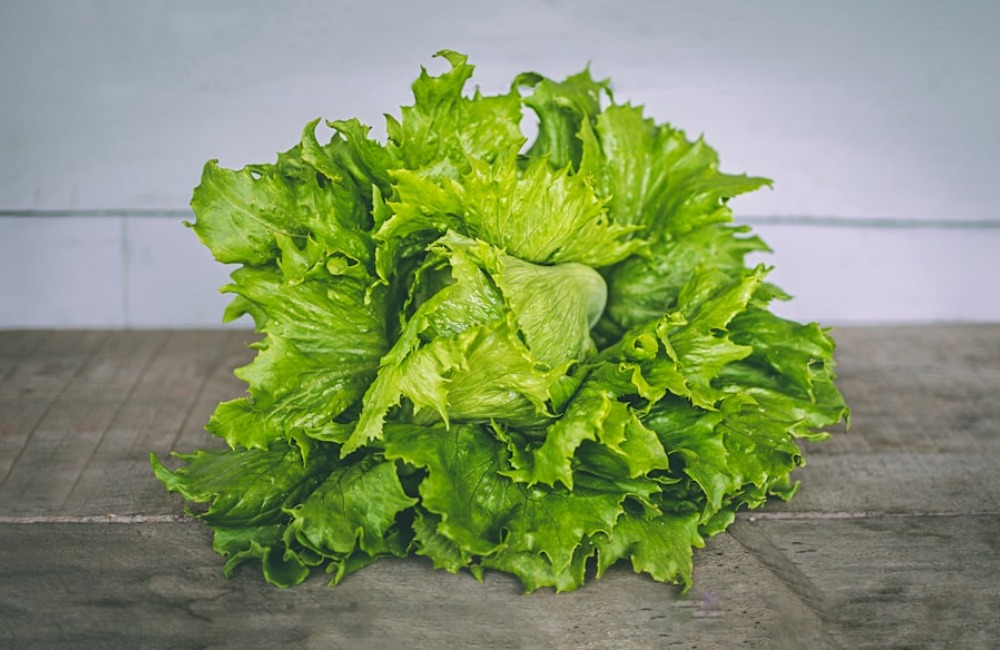
Behind the headline, however, is a real intestinal illness called cyclosporiasis. It is caused by a microscopic parasite known as Cyclospora and has been linked to recalled iceberg lettuce distributed in the United States.
The good news? Parents do not need to panic, throw out every vegetable in the refrigerator or assume that every upset stomach is connected to the outbreak.
What matters is knowing whether your family may have eaten an affected product, recognizing the symptoms and preventing dehydration if your child becomes sick.
Here is what parents need to know about the current Cyclospora diarrhea outbreak—and what to do next.

What Is the Current Cyclospora Warning?
U.S. health officials are investigating a multistate outbreak of Cyclospora infections linked to shredded iceberg lettuce.
The investigation initially focused on lettuce served at certain restaurants in five states. A broader recall has since been announced for specific iceberg lettuce products sourced from central Mexico and distributed to food-service and retail customers in 27 U.S. states.
Because the recall includes a number of product descriptions, brand codes and use-by dates—and because distribution information may continue to change—the safest approach is to check the current FDA recall notice rather than relying on a restaurant name or a social media post.
As of July 18, 2026, the outbreak investigation remained open. More than 1,644 illnesses and 94 hospitalizations had been reported in the five-state outbreak, with no deaths reported. Health officials are also investigating other Cyclospora illnesses that may be unrelated to this specific outbreak.
For parents, the most important message is simple: check the official recall, discard an affected product and watch for symptoms.
What Exactly Is Cyclospora?
Cyclospora is a microscopic parasite that infects the small intestine. People develop cyclosporiasis after consuming food or water contaminated with the parasite.
The illness is best known for causing frequent watery diarrhea—sometimes described as sudden or explosive—but it can also cause cramping, nausea, exhaustion and loss of appetite.
Unlike a typical 24-hour stomach bug, cyclosporiasis may last for weeks without treatment. Symptoms can improve and then return, sometimes more than once.
What Should I Do if My Child May Have Eaten Recalled Lettuce?
First, do not panic.
Eating a potentially affected product does not mean your child will definitely become sick. Current public-health guidance focuses on discarding recalled food, watching for symptoms and contacting a healthcare provider if illness develops.
Take these steps:
1. Check the package or recall listing
Look for the product name, brand or code, package size and use-by date in the FDA recall notice. Do not assume that all iceberg lettuce is affected.
Many recalled items are food-service products rather than ordinary grocery-store packages, but some retail products are also included.
2. Do not eat a recalled product
Discard affected lettuce or return it to the place of purchase.
Do not try to make recalled lettuce safe by rinsing it again. Washing fresh produce is still recommended as a general food-safety step, but washing alone cannot guarantee that Cyclospora has been removed.
3. Clean anything the lettuce touched
Wash reusable containers, refrigerator drawers, shelves, cutting boards, and utensils that may have come into contact with the recalled food.
Use ordinary food-safe cleaning practices. Do not apply bleach, detergent or household cleaners directly to food.
4. Watch for symptoms for at least two weeks
Cyclospora symptoms usually begin about one week after exposure, but they may appear anywhere from two days to two weeks or longer afterward.
That means a child who seems fine the day after eating the lettuce is not necessarily in the clear—but there is also no reason to assume illness is inevitable.

What Symptoms Should Parents Watch For?
The most common symptom of Cyclospora infection is frequent watery diarrhea.
Other symptoms can include:
- Stomach pain or cramping
- Bloating
- Increased gas
- Nausea
- Loss of appetite
- Fatigue
- Weight loss
- Vomiting
- Headache
- Body aches
- A low-grade fever
Some infected people have no symptoms at all. When symptoms do develop, they may continue for several days or more than a month. They can also disappear and return.
A child’s illness may not include every symptom. Persistent watery diarrhea, unusual exhaustion and a noticeable loss of appetite are particularly important clues.
Is Cyclospora Contagious?
Cyclospora is not usually transmitted directly from one person to another.
After the parasite passes in a bowel movement, it generally needs at least one to two weeks in the environment before it becomes infectious. This makes immediate household transmission unlikely.
Still, parents should use careful bathroom and diaper-changing hygiene whenever a child has diarrhea.
Wash hands thoroughly with soap and water after:
- Using the bathroom
- Helping a child use the toilet
- Changing a diaper
- Cleaning up diarrhea or vomit
- Handling dirty laundry
- Before preparing or eating food
Remember that diarrhea has many possible causes. A child may have norovirus or another contagious infection rather than Cyclospora, so it is sensible to take normal precautions until the cause is known.
When Should I Call My Child’s Doctor?
Contact your child’s healthcare provider when your child develops persistent or repeatedly returning watery diarrhea, especially following a possible exposure to recalled lettuce.
Tell the provider:
- When the symptoms began
- How frequently your child is having diarrhea
- Whether there is vomiting, fever, blood or severe pain
- Whether your child is drinking and urinating normally
- What potentially recalled food your child may have eaten
- When and where the food was eaten
Be sure to mention Cyclospora by name.
Routine stool tests do not always include testing for this parasite. The CDC advises that people with symptoms may need to specifically request Cyclospora testing.
You could say:
“My child has persistent watery diarrhea and may have eaten food included in the current lettuce recall. Should they be tested specifically for Cyclospora?”
This does not mean diagnosing your child yourself. It simply gives the healthcare provider useful exposure information.
The Biggest Immediate Risk Is Dehydration
For most parents caring for a child with diarrhea, the immediate concern is not the name of the infection—it is whether the child is getting enough fluid.
Children can lose water and electrolytes quickly through repeated watery stools. Infants, toddlers and children who are also vomiting may become dehydrated faster.
Signs of dehydration include:
- Urinating less often
- Fewer wet diapers
- Dark yellow urine
- A dry mouth or tongue
- Few or no tears when crying
- Unusual tiredness or irritability
- Sunken-looking eyes
- A sunken soft spot in a baby
- Dizziness or weakness
A child who has not urinated for more than eight hours, is too weak to stand, appears very ill or is difficult to wake needs prompt medical assessment.

How Do I Keep My Child Hydrated?
Offer fluids frequently rather than waiting until your child says they are thirsty.
For babies and younger children, an oral electrolyte or rehydration solution is generally a better choice than juice, pop or a full-strength sports drink. These solutions are formulated to replace both fluid and electrolytes.
Small, frequent sips may be easier to tolerate than a large cup all at once, especially if your child feels nauseated.
Breastfeeding can usually continue. Formula-fed babies should generally continue their normal formula unless a healthcare provider recommends otherwise. The American Academy of Pediatrics identifies adequate hydration—including breast milk, formula and electrolyte solution—as the most important home treatment for young children with diarrhea or vomiting.
As your child begins to feel better, gradually return to their regular diet as tolerated. There is usually no need to restrict them to a long-term diet of bananas, rice, applesauce and toast.
Call your child’s healthcare provider for individualized advice when your child is very young, has other medical conditions or cannot drink enough to replace lost fluids.
When Does Diarrhea Require Urgent Medical Care?
Seek urgent medical advice if your child:
- Shows signs of dehydration
- Has no urine for more than eight hours
- Cannot keep clear fluids down
- Is unusually sleepy, weak or difficult to wake
- Has blood in the stool
- Has severe or constant stomach pain
- Has 10 or more watery stools within 24 hours
- Repeatedly vomits clear fluids
- Is younger than one month and has three or more diarrheal stools
- Has a weakened immune system
- Looks seriously unwell
A fever in a baby younger than 12 weeks also requires immediate medical guidance.
Parents should trust their instincts. You do not need to wait for every symptom on a checklist when your child’s behaviour, alertness or appearance is worrying you.
How Is Cyclospora Treated?
Cyclosporiasis is generally treated with a prescription antibiotic called trimethoprim-sulfamethoxazole, often shortened to TMP-SMX.
A healthcare provider must decide whether this medication is appropriate based on the child’s age, symptoms, medical history, allergies and test results. Parents should never use leftover antibiotics or medication prescribed for another family member.
Most people with healthy immune systems eventually recover without treatment, but the illness may persist for a month or longer and may recur. Children and adults with weakened immune systems may experience more serious or prolonged illness.
Do not automatically give a child an over-the-counter anti-diarrheal medicine. Some products are not recommended for young children or for certain infections. Ask your child’s healthcare provider or pharmacist first.

Does My Child Need to Stay Home?
A child with frequent diarrhea should stay home from school, camp, daycare and swimming until the diarrhea has stopped and the rules of the school, childcare centre or local health authority allow them to return.
Even though direct Cyclospora transmission is unlikely, a child with active diarrhea may be dehydrated, uncomfortable and unable to participate normally. The diarrhea could also be caused by another, more contagious infection.
Children who wear diapers or are not consistently toilet trained should stay out of pools, splash pads and shared water-play areas while they have diarrhea.
Should We Stop Eating Lettuce?
No. This is a recall of identified products, not a warning to stop eating every type of lettuce or fresh produce.
Check the official recall information, discard any matching products, and continue using normal food-safety practices with unaffected produce.
Rinse fresh fruits and vegetables under running water before eating, cutting or cooking them. Do not wash produce with soap or bleach. Cooking produce to at least 158°F (70°C) kills Cyclospora, although cooking is obviously not practical for every salad ingredient.
What Parents Should Do Right Now
Skip the panic and focus on four practical steps:
Check: Review the official recall and identify whether your family ate an affected product.
Discard: Do not eat recalled lettuce, even if it looks or smells normal.
Monitor: Watch for frequent watery diarrhea, fatigue, cramps and appetite loss for at least two weeks after a possible exposure.
Hydrate: If your child becomes sick, offer plenty of fluids and watch closely for signs of dehydration.
Most importantly, call your child’s healthcare provider if watery diarrhea persists, returns or is accompanied by dehydration, blood, severe pain, repeated vomiting or unusual sleepiness.
Headlines about a diarrhea outbreak are alarming—and admittedly a little gross—but parents do not need to diagnose the illness from home. Know the symptoms, keep fluids going and ask for help when your child needs it.
This article was updated July 22, 2026. Outbreak and recall information may change as health officials continue their investigation. This article is for general educational purposes and is not a substitute for medical advice from your child’s healthcare provider.