
Search Results for: corners
Child Yeast Infections
Candida albicans and other species of Candida yeast live on the skin and moist areas of the body, such as the mouth and genitals. Everyone, from babies to elderly adults, has yeast living on their bodies. Usually, the yeast doesn’t cause harm. If the natural balance of microorganisms is disrupted, from illness, medications or changes in hormone levels, yeast can flourish, leading to an infection. Most yeast infections in children are treatable and will clear up quickly with medication.

How Do I Use Skype Video Conferencing?
Keeping in touch with your kids, extended family or friends can put strain on your budget, especially when your loved ones live far away. With Skype video conferencing, you’ll be able to catch up for free with the feeling of talking face to face. The Skype software is free to download, and making video calls between multiple Skype users gives you a free alternative to long-distance calling. With the Skype video calling feature, you can video conference with up to four other people at the same time.
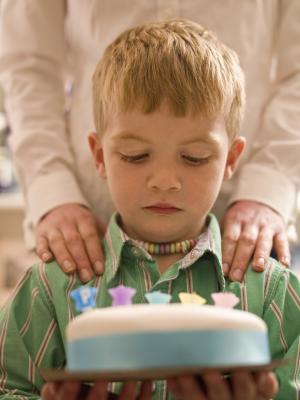
Autism Home Programs for Parents
Raising a child with autism can be challenging. Support should be a cornerstone of your life, both for your child and for you. By getting the proper treatment approaches set up and by having a solid help system of doctors, family, friends and autism support groups, you can help your child overcome many challenges.

The Best Hand Lotion for Dry Hands
The cure for chapped, dry hands can seem out of reach, especially during cold, windy seasons or in arid climates. It’s easy to assume that the holy grail of hand lotions is somewhere among the many bottles, jars and tubes that populate the drugstore aisles. However, more important than the packaging, price and brand name are the ingredients your product contains — and how frequently you use it.

What to Do When a Child Is Having a Seizure
Witnessing a child’s seizure is often a terrifying experience. A knowledge of how to handle a seizure situation helps you remain in control to help the child as much as possible. Your main responsibility is to keep the child safe and know when to get medical help since you cannot stop a seizure. The symptoms of a seizure might include convulsions, jerky movements, stiffening of extremities, twitching or loss of consciousness.