

Why Emotional Well-Being Tips Are the Coping Tools Every Mom Actually Needs
If you’ve ever snapped at your kids over something small — and then felt awful about it — you already know what low emotional reserves feel like. The good news? Emotional well-being tips don’t have to be complicated or time-consuming to make a real difference.
Here’s a quick look at the most effective ways to protect your emotional health:
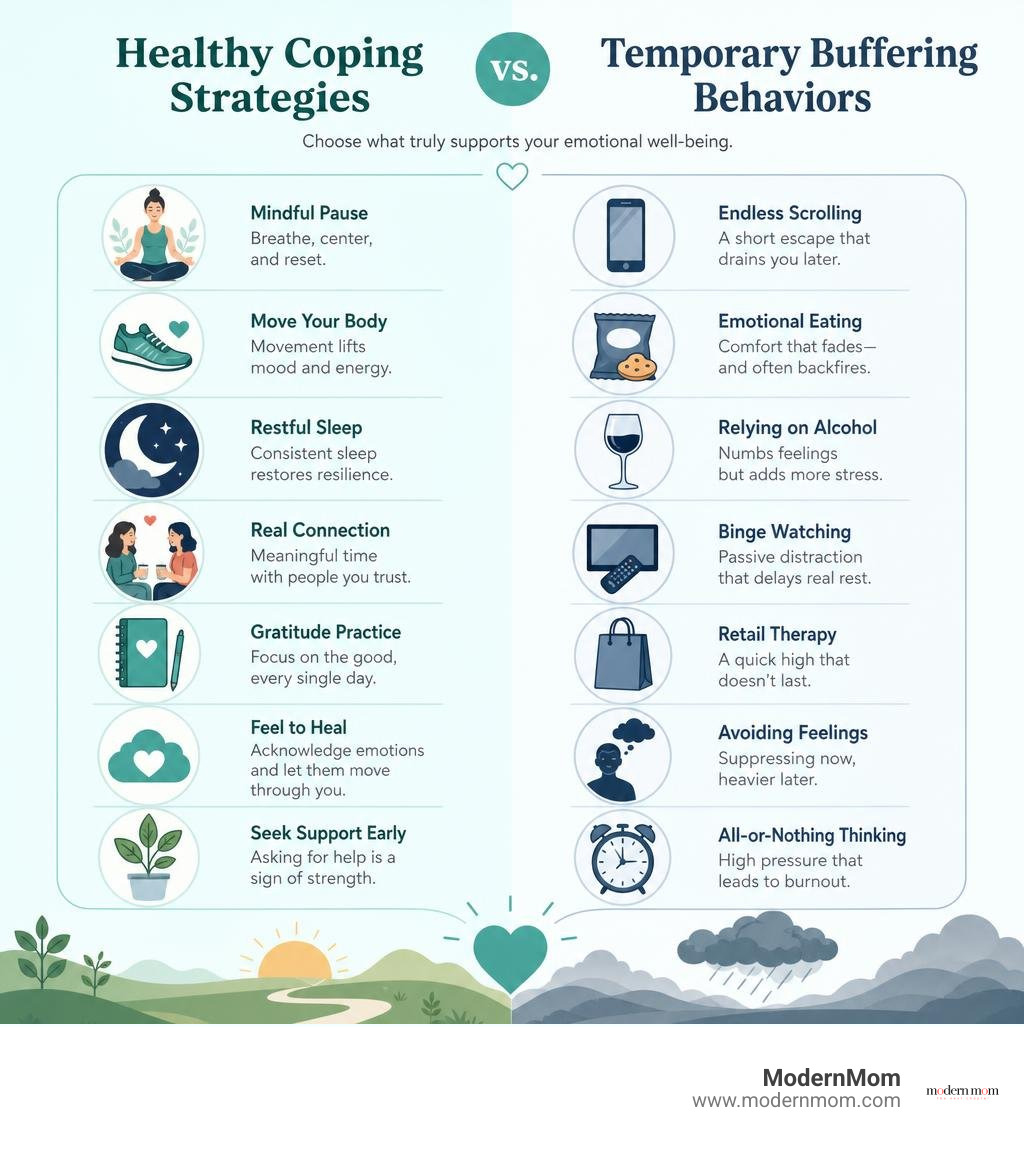
- Build micro-habits — small, consistent daily rituals (even 60 seconds of deep breathing) do more than occasional big efforts
- Move your body — just 30 minutes of walking a day can measurably lift your mood
- Sleep consistently — adults need 7 or more hours per night; poor sleep makes everything harder
- Connect with people — real, in-person connection is one of the strongest buffers against stress
- Practice gratitude — writing down three good things each day has been shown to raise happiness and reduce depressive symptoms
- Manage difficult emotions directly — sitting with feelings, naming them, and using breathing techniques beats suppressing them
- Seek professional support early — don’t wait for a crisis; therapy works best as prevention, not just rescue
Emotional well-being isn’t about feeling happy all the time. It’s about being able to handle life’s hard moments without completely losing yourself in them.
Think of it like a tank. When it’s full, a spilled cup of milk is just a spilled cup. When it’s empty, that same moment can feel like everything falling apart. The habits below help keep that tank topped up — even on the busiest, most chaotic mom days.
Quick emotional well-being tips terms:
1. Daily Habits and Emotional Well-Being Tips for Busy Routines
When you’re managing a household, a career, or a bustling family schedule, dramatic lifestyle overhauls simply aren’t realistic. The secret to lasting emotional wellness lies in small, predictable micro-habits. These gentle routines anchor your nervous system, reducing decision fatigue and giving you steady ground to stand on when chaos strikes.

Research on daily habits for emotional well-being confirms that consistent micro-habits foster far greater emotional resilience than occasional, intense efforts. When we create gentle structure in our mornings and evenings, our bodies stop operating in a constant state of high alert.
Practical Mindfulness and Emotional Well-Being Tips in Micro-Moments
Mindfulness doesn’t require sitting silently on a cushion for an hour. For busy moms, actionable emotional well-being tips mean finding peace in the middle of everyday noise. You can practice present-moment awareness while sipping morning coffee, folding laundry, or standing by the sink.
Try these simple micro-resets when you feel tension building:
- The 60-Second Box Breath: Inhale through your nose for 4 seconds, hold for 4 seconds, exhale through your mouth for 4 seconds, and hold for 4 seconds. Repeating this cycle just three times calms your nervous system instantly.
- The 3-2-1 Sensory Reset: Pause and quietly name 3 things you can see, 2 things you can hear, and 1 physical sensation you feel. It grounds your mind right in the present moment.
- The Intentional Pause: Before opening a stressful email or walking through the door after errands, take one deep exhale to release physical tension in your jaw and shoulders.
For practical guidance on weaving these grounding moments into family life, explore embracing the basics with a smile.
Simple Physical Self-Care and Sleep Hygiene
Your emotional state is deeply tied to your physical body. According to guidelines on NIMH about caring for your mental health, daily movement and restful sleep directly regulate mood-boosting brain chemicals and lower stress hormones like cortisol.
Here are essential daily habits to keep your physical foundation strong:
- Prioritize Sleep: Adults require 7 or more hours of uninterrupted sleep each night. Keep your bedroom cool and dark, and try to put your phone away 30 minutes before bed to avoid light interference.
- Move Gently: Studies show that just 30 minutes of daily walking can elevate mood, boost energy, and enhance sleep quality. You don’t need exhausting workouts; low-pressure movement works wonders.
- Stay Hydrated & Nourished: Eat regular, balanced meals with plenty of fresh produce, and drink water throughout the day. Dehydration and blood sugar dips often masquerade as irritability and anxiety.
2. Managing Stress, Difficult Emotions, and Mom Guilt
Stress and heavy emotions are an inevitable part of motherhood, but how we respond to them makes all the difference. Many of us fall into the trap of “buffering” — turning to endless phone scrolling, late-night snacking, or bottling up feelings to get through the day. While these tactics offer temporary distraction, they don’t solve the underlying overwhelm.

Healthy coping starts with emotional self-awareness. Instead of pushing hard feelings away, acknowledge them without self-judgment. If you frequently struggle with feelings of inadequacy or self-doubt, check out our helpful guide on coping with mom guilt.
Building Emotional Resilience Through Perspective and Gratitude
Resilience isn’t about toughing it out; it’s about filling your emotional resilience tank so you bounce back faster from daily hiccups. One of the most effective, research-backed ways to reframe difficult moments is practicing gratitude.
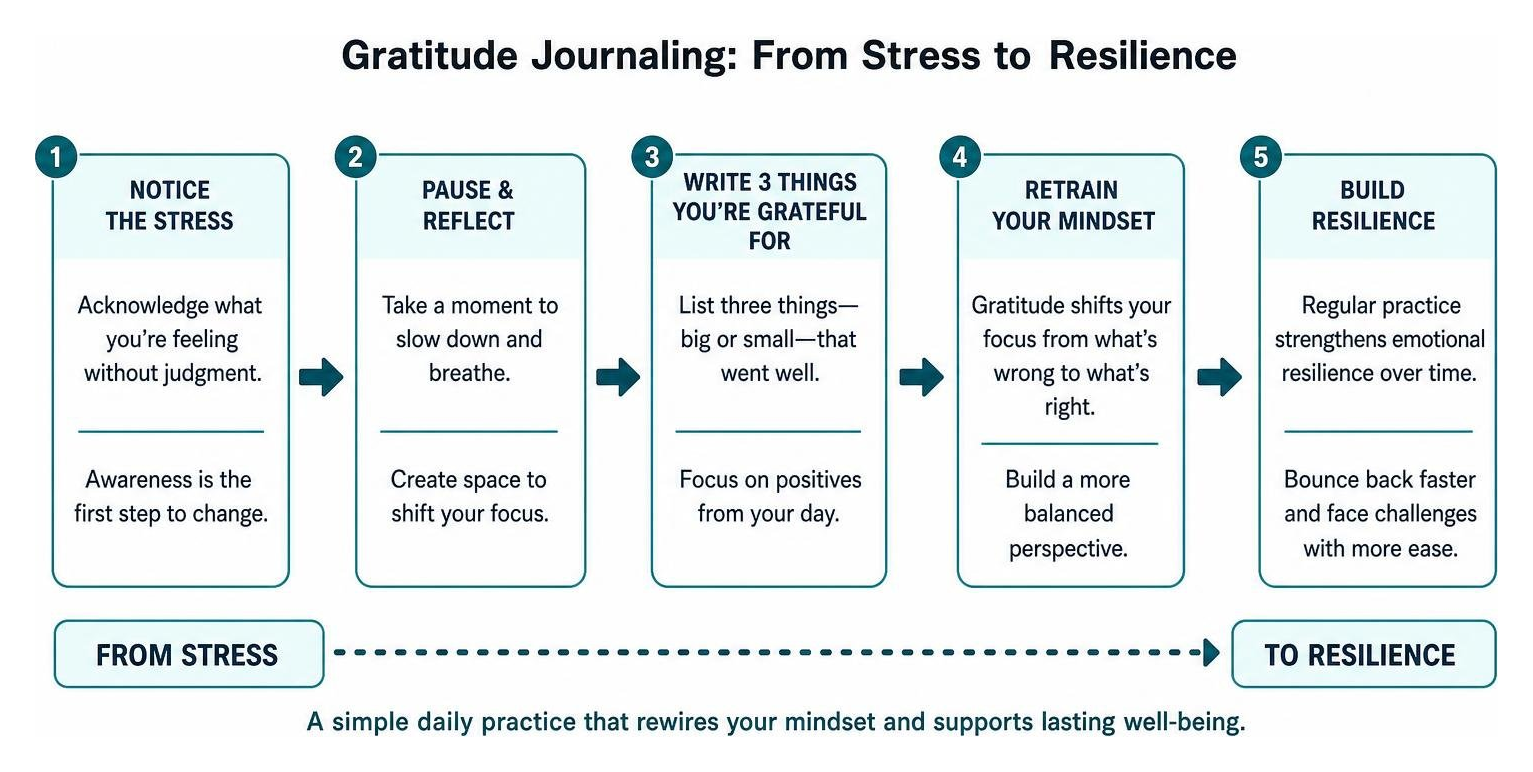
Studies show that people who write down three positive things each day for just one month show measurable boosts in happiness and significant drops in depressive symptoms. When we consciously look for bright spots, we retrain our brains to spot solutions rather than dwelling solely on problems.
Taking a few moments at night to reflect on small wins keeps life in perspective. Read our article on 3 Reasons to Prioritize Reflection Now to learn how intentional reflection heals emotional burnout.
Overcoming Perfectionism and Common Barriers to Emotional Health
Perfectionism is a major barrier to emotional well-being. Trying to keep a spotless home, raise perfect kids, and excel seamlessly at work sets an impossible standard. In fact, research highlighted in this BBC article on science-backed ways to help you feel better shows that self-compassion — accepting our mistakes with kindness — is key to breaking free from perfectionism.
We can protect our peace of mind by adopting these protective boundaries:
- Turn Off Non-Essential Notifications: The average person checks their phone nearly 186 times a day. Batching phone alerts or placing your device in another room reduces mental scatter.
- Practice Saying “No”: Protect your time by politely declining non-essential commitments when your schedule is already full.
- Release “All-or-Nothing” Thinking: A 5-minute walk or a partially tidied room still counts as a win. Progress over perfection every time.
3. Strengthening Social Connections and Community Support
Human beings are hardwired for connection. Strong relationships act as powerful cushions against life’s pressures. Surrounding ourselves with supportive friends, family, and fellow moms gives us a safe space to share struggles, trade advice, and laugh through the messy moments.
This NHS guide on steps to mental well-being emphasizes social connection as a primary pillar of mental health. While social media lets us stay in touch virtually, meaningful in-person interactions or warm phone chats nourish us on a much deeper emotional level.
Nurturing Relationships and Modeling Healthy Boundaries for Kids
Our emotional health directly influences our family dynamics. When mothers practice self-care, process emotions constructively, and set clear boundaries, we provide our children with a living blueprint for healthy adult relationships.
Consider these impactful ways to nurture family connections:
- Set Aside Screen-Free Family Time: Establish a daily routine, such as sitting down together for dinner or playing a quick game, to connect without digital distractions.
- Model Healthy Conflict Resolution: Let your children see you resolve disagreements calmly and respectfully, demonstrating that repair is a normal, healthy part of love.
- Practice Healthy Interdependence: Avoid total self-reliance. Show your kids that it is normal and healthy to ask for help when you need support.
4. Prioritizing Self-Care and Knowing When to Seek Professional Help
Self-care isn’t a luxury reserved for day spas; it’s a vital health necessity. For busy mothers, prioritizing quiet rest and joy is fundamental to preventing chronic exhaustion and compassion fatigue.
Putting yourself first isn’t selfish — it ensures you have the energy, patience, and love required to care for those who rely on you. If you need encouragement to reclaim your personal time, read It’s Time for Working Moms to Put Themselves First.
Recognizing Warning Signs and When to Access Therapy
Self-care practices and lifestyle habits are wonderful preventive tools, but they don’t replace professional clinical care when emotional challenges become overwhelming. Knowing when to reach out for extra guidance is a true sign of strength.
Public health insights suggest seeking professional guidance if you experience persistent symptoms lasting two weeks or more, including:
- Unrelenting sadness, anxiety, or irritability that interferes with daily tasks
- Significant changes in sleep patterns or appetite
- Difficulty concentrating or feeling constantly detached from loved ones
- Loss of interest in activities you normally enjoy
Start by speaking with your primary care physician, who can connect you with qualified therapists or mental health professionals. If you or someone you know is in suicidal crisis, emotional distress, or needs immediate mental health support, call or text 988 or chat through the 988 Suicide & Crisis Lifeline. It’s available 24/7, free, and confidential.
Frequently Asked Questions About Emotional Well-Being
How do healthy coping mechanisms directly protect emotional health?
Healthy coping mechanisms regulate your nervous system and prevent prolonged elevations of stress hormones like cortisol. Over time, chronic stress can cause physical issues such as digestive trouble, lowered immunity, and memory issues. Using healthy coping tools helps your body recover from stress quickly, protecting both your physical and mental health.
What are quick emotional well-being tips when feeling completely overwhelmed?
When overwhelm hits, focus on immediate micro-resets:
- Do 60 seconds of box breathing (inhale 4s, hold 4s, exhale 4s, hold 4s).
- Step outside for a 3-minute fresh-air reset to clear your mind.
- Do a 90-second brain dump on a sticky note to get overwhelming thoughts out of your head and prioritize just one small next step.
How long before small daily well-being habits start showing results?
Many women notice subtle improvements — such as feeling calmer or less reactive — within just a few days of starting simple habits like box breathing or regular walks. However, building lasting resilience takes consistency. Sticking with small habits for 3 to 4 weeks helps solidify new neural pathways, shifting your baseline emotional set point toward greater calm and balance.
Conclusion
At ModernMom, we know that caring for your emotional well-being isn’t about achieving a perfect, stress-free life — it’s about giving yourself the grace, tools, and permission to thrive amidst the daily swirl of motherhood.
By building simple daily micro-habits, staying physically active, prioritizing sleep, and reaching out for support when needed, you keep your resilience tank full. Taking care of yourself is the best gift you can give your family. Start small today with just one habit that feels doable, and watch how it transforms your daily outlook.